
healthcarereimagined

Envisioning healthcare for the 21st century

  • About
  • Economics

What It’s Like Living Without Health Insurance in America – Bloomberg

Posted by timmreardon on 04/22/2018
Posted in: Uncategorized. Leave a comment

Vanderbilt NursingLast week, Bloomberg News told the story of three families without health insurance. We also asked readers to share their own stories as we spend the next year following people who are “risking it.”

The response was overwhelming. More than 3,000 people from across the U.S. filled out our questionnaire and shared their challenges, and how their decisions have affected their health and financial well-being.

Some can’t afford to insure their children. Others are seeking cheaper care abroad. Some older adults are counting down the years until they qualify for Medicare.

While these people are among the 27 million Americans who remain uncovered despite the large expansion of health insurance under the Affordable Care Act, their stories transcend politics, reflecting tough kitchen-table decisions about health care faced by many families.

More from Bloomberg.com: Tech Rout Sinks Stocks as Lines of Defense Crumble: Markets Wrap

We Want to Hear Your Insurance Story:

Bloomberg News wants to hear about being uninsured in America in 2018 and what it means to you.
Please click here to tell us your story.

Whitney Whitman waited until her 7-year-old daughter had been sick for almost two weeks before taking her to the pediatrician for a visit that ended up costing $275. Her family of four in Bird Creek, Alaska, outside Anchorage, last had insurance in 2016.

When she looked for coverage last fall, the cheapest plan Whitman could find was $1,734 per month, with a deductible of $10,500 for the family. She splits her time between mental health counseling and mediating legal disputes, such as divorces. She made about $110,000 before taxes in 2016.

But student loans, mortgages on a home and a rental property, car payments and credit cards squeeze their budget — and health insurance is what got squeezed out.

She said her husband Jason probably broke his finger last year working on their house. “We just taped it up and kept going.”

They’ve done a lot of that. Jason’s knee injury and concussion also went untreated. Whitman would like to get an inhaler to alleviate seasonal asthma in the spring but says she’ll probably skip that, too. She’s thought about moving to Canada, which has universal health coverage, and has looked at jobs across the border.

More from Bloomberg.com: Apple Plans to Use Its Own Chips in Macs From 2020, Replacing Intel

“We’re part of the population that’s healthy and isn’t paying into the system,” Whitman said. It’s a tradeoff she’s not entirely comfortable with, especially when her kids go skiing at the nearby Alyeska Resort, where her husband worked until recently.

“Every time my children do something remotely fun and risky, I’m envisioning in my head the horrible medical problems” that might ensue, she said. They wear helmets on the slopes, at least.

“I live in a constant state of fear,” Whitman said.

Tara Sullivan’s flu this winter was bad enough that her friends at the small law firm where she works offered to pay for her to see a doctor, since she doesn’t have insurance.

Sullivan, 58, declined their help, but she had a bad cough, tightness in her chest, fever and chills. So in February she went to the emergency room at Marietta Memorial Hospital, across the Ohio River from where she lives in Parkersburg, West Virginia.

More from Bloomberg.com: Tesla Model 3 Deliveries Expected to Come Up Short; Shares Fall

Her flu had turned into pneumonia, and filling prescriptions for antibiotics, steroids and an inhaler cost her about $250 at Walmart. She also got a $45 bill for a chest x-ray, which she hasn’t paid yet, and she isn’t sure what she might owe for the rest of the hospital visit.

Her job as a legal assistant pays her about $28,000 a year — $1,800 a month in take-home pay. Last fall she looked for an Obamacare plan, and saw premiums that would have cost her around $250 to $300 per month.

“We don’t have enough money to go out to eat, or take my grandchildren to the movies, much less pay for health insurance,” Sullivan said.

Behind on her gas bill, Sullivan got a disconnect notice in January. The money she would have used to pay it went to her prescriptions instead. The late-winter temperature in Parkersburg often drops into the teens overnight, well below freezing. She borrowed from a friend to make the utility payment, keeping the heat, hot water, and cooking gas on.

“I’m just constantly catching up,” Sullivan said.

Her father died recently from cancer, and mother her had it too before she died. Sullivan worries about the same thing, and was able to get a free breast-cancer screening a few months ago from a clinic in town.

“I just think it’s a crying shame, like so many of us do,” Sullivan said. The cancer screening is the only recent preventive care she’s had.

She feels sick again now, at the beginning of April. “I’m almost 60 years old and I can’t go see a doctor.”

Sarah Yoder and her 8-year-old daughter walked out of their pediatrician’s office in early February before the appointment began. Her family dropped their health insurance plan the month before, and the clinic didn’t offer a discount for paying cash. The checkup would have cost $150.

“It makes me crazy, because they’re not even getting that much money from the insurance company,” Yoder said.

Yoder’s family of six lives in Fort Defiance, Virginia, and had been insured last year through her husband Nevin’s job as a nurse practitioner. With Sarah’s work at a construction company, their combined pre-tax income is around $140,000. But their health premiums for this year were going up by $300 to $1,400 a month. That was too much for a plan with a $7,500 deductible, they decided.

Their 4-year-old son was born with a heart condition and genetic disorder. He still qualifies for Virginia’s Medicaid program. The rest of the family joined a Christian health-care cost-sharing ministry for $350 a month.

Yoder’s daughter will get her checkup at the family practice where Sarah goes, because it offers a discount to patients in their health-sharing ministry. Yoder needed medication herself for a psoriasis outbreak in January. She called several pharmacies to check prices, and a coupon cut the price of the topical steroid Clobex to $125 from $600.

So far, they’re ahead. Yoder estimates their out-of-pocket expenses are about what they would have paid with insurance. Money saved on premiums goes into a separate bank account for medical expenses.

“We’re still allocating the same amount of funds. We’re just holding on to more of it,” Yoder said. She hopes the health-sharing plan will protect them from financial ruin in an emergency.

“I think we’re going to be covered if there’s a catastrophe,” she said. “But I don’t know for sure.”

Gustavo Bendeck, a 62-year-old physician assistant from Lubbock, Texas, saw 46 patients at his rural health clinic on March 28. About a dozen were “flying blind,” his term for being uninsured.

He’s flying blind with them.

Last November, Bendeck and his wife Shirley received a letter from Blue Cross Blue Shield of Texas telling them that their $1,000-a-month premium was more than doubling to $2,200. Shirley asked Bendeck what would happen next.

“I’m not going to pay this amount of money,” he told her. He looked for other comparable plans, but most wanted about the same. He makes about $117,000 a year after taxes, he said. He and his wife are healthy, so they decided to chance it.

Life hasn’t changed too much since, though they have a little more free cash even though the prescriptions they both take cost more without insurance. Shirley takes a cholesterol drug and a blood-pressure treatment that together cost about $350 a month, more than double when they had insurance coverage. Gustavo takes a blood-pressure drug that costs $70 to $80 for a 90-day supply, compared to $20 when he was insured.

“My wife is a little more antsy than I am about not having insurance, it worries her,” Bendeck said. “What keeps me calmer is that there’s a lot of us out there that do not have insurance.”

He sees them every day at his clinic, and often works to find them the best price on expensive services like an MRI scan. If he or Shirley needs it, he thinks he can do the same.

“You learn how to develop those kind of networks over time to help your patients,” he said.
Help Bloomberg News write about what it means to be uninsured in America. Please click here to tell us your story.

Comprehensive Health Record Vs. Connected Health Record – EMR & EHR

Posted by timmreardon on 04/05/2018
Posted in: Uncategorized. Leave a comment

The “comprehensive health record” model is quite in vogue these days. Epic, in particular, is championing this model, which supplants existing EHR verbiage and integrates social determinants of health. “Most health systems know they have to go beyond their walls,” Epic CEO Judy Faulkner told Healthcare IT News. A number of other EMR vendors have followed Epic’s lead.

To date, however, most clinicians have yet to embrace this model, perhaps because they’re out of patience with the requirements imposed by EHRs. What’s more, the broader healthcare industry hasn’t reached a consensus on the subject. For example, a team of experts from UCSF argues that healthcare needs a “connected health record,” a much different animal than vendors like Epic are proposing.

The authors see today’s EHR as an “electronic file cabinet” which is poorly equipped to handle health activities and use cases such as shared care planning, genomics and personalized medicine, population health and public health, remote monitoring and sensors.

They contend that to create an interoperable healthcare ecosystem, we will need to move far beyond point-to-point, EHR-to-EHR connections. Instead, they suggest adding connections with patients and family caregivers, non-clinical providers such as school clinics for youth and community health centers. (They do agree with Faulkner that incorporating data on social determinants of health is important.)

Their connected health record ties more professionals together and adapts to new models of care. It would foster connections between primary care physicians, multiple specialists, hospitals, clinics, pharmacies, laboratories, public health registries and new models of care such as ACOs. It would be adaptive rather than reactive.

For example, if the patient at home with cancer gets a fever, her temperature data would be transmitted to her primary care physician, her oncologist, her home care nurse and family caregiver. The care plan would evolve based on the recommendations of team members, and the revised vision would be accessible automatically to the entire care team. “A static, allegedly comprehensive health record misses the dynamics of an interactive, learning health system,” the authors say.

All that being said, this model still appears to be at the vision stage. Perhaps given its backing, the comprehensive health record seems to be getting far more attention. And arguably, attempting to integrate a good deal more data on patients into an EHR could be beneficial.

However, both models are largely untested, and both beg the question of whether building more content on an EHR skeleton can lead to transformation. On the other hand, while the concept of a connected health record is attractive, my sense is that the components needed to this happen have not matured yet.

Ultimately, it will be clinicians who decide which model actually works for them, not vendors or abstract thinkers. Let’s see which model makes the most sense to them.

Posted on March 26, 2018 I Written By Anne Zieger

Anne Zieger is veteran healthcare consultant and analyst with 20 years of industry experience. Zieger formerly served as editor-in-chief of FierceHealthcare.com and her commentaries have appeared in dozens of international business publications, including Forbes, Business Week and Information Week. She has also contributed content to hundreds of healthcare and health IT organizations, including several Fortune 500 companies. Contact her at @ziegerhealth on Twitter or visit her site at Zieger Healthcare.

Article link: https://www.emrandehr.com/2018/03/26/comprehensive-health-record-vs-connected-health-record

Joe Biden: To Save and Improve Lives Using Data, Details Matter – Fortune

Posted by timmreardon on 03/27/2018
Posted in: Uncategorized. Leave a comment
21st Annual Research! America Advocacy Awards Dinner
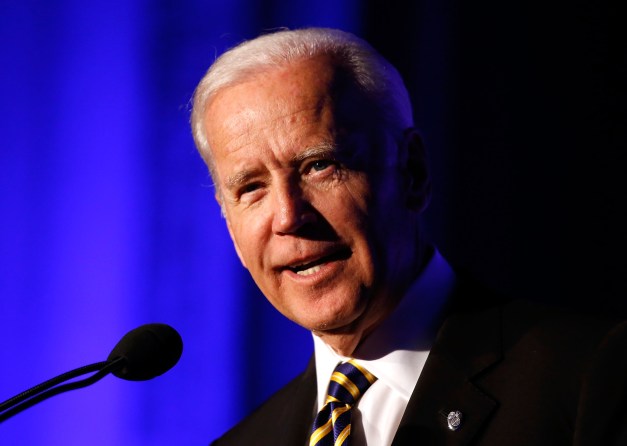
Former U.S. VP Joe Biden speaks after receiving the Gordon and Llura Gund Leadership Award for his commitment to accelerating cancer research through the White House Cancer Moonshot initiative at 21st Annual Research!America Advocacy Awards Dinner at Andrew W. Mellon Auditorium on March 15, 2017 in Washington, DC.

By Joe Biden

March 19, 2018

Earlier this month at a national health information technology conference, the Trump Administration announced an initiative to put patients in charge of their own health care data, improve data interoperability, and encourage data-driven innovation to improve patient health and outcomes. Unfortunately, the announcement lacked many specific actions to effectively implement the initiative. I agree with the administration’s stated goals, but real action is needed—and now is the time.

I have been intimately involved with the issues around electronic medical records through my leadership of the White House Cancer Moonshot and the American Economic Recovery and Reinvestment Act of 2009 (Recovery Act), and my oversight of the Veterans Affairs Department’s first-in-the-country service to make complete medical records available to patients. Through the Recovery Act, the Obama-Biden Administration made approximately $37 billion available to health care providers to subsidize the purchase and adoption of electronic medical records to improve health, reduce medical errors, and collect data in an organized fashion for research and discovery. Because of the Recovery Act funds, electronic medical records have been adopted almost completely throughout our health care system.

But the promise of electronic medical records has not materialized for one major reason: Medical record companies and health providers have implemented systems that are not interoperable. Many would say this was done on purpose because it meant they could lock up customers by making it time consuming and expensive to change systems. And even worse, they made it very difficult (sometimes impossible) for patients to get their own data quickly, cheaply, and in an easily accessible digital format.

The Obama-Biden Administration addressed the problem of access to data by patients and researchers in several ways.

For example:

  • In the early years of our administration, the U.S. Department of Veterans Affairs (VA), the U.S. Department of Defense, and the Centers for Medicare and Medicaid Services adopted the “Blue Button” for veterans, service members, and Medicare beneficiaries, a simple, one-click program that allows patients to download their medical records and share with their health care providers, caregivers, and others. The current administration has announced Blue Button 2.0, which allows patients to access and use their data in new ways—a good step forward.
  • As part of the Cancer Moonshot, the U.S. Department of Energy (DOE) and the VA agreed to a groundbreaking program in 2016 to have the VA’s medical records analyzed by the DOE’s supercomputers, and the VA funded a dedicated data network to be able the transfer of millions of records for this purpose.
  • In 2016, the National Institutes of Health and the Office of the National Coordinator for Health IT, in partnership with the Harvard Medical School Department of Biomedical Informatics, launched “Sync for Science,” a pilot to allow individuals to send their health data to researchers with the Precision Medicine Initiative.

Despite this progress, there is so much left to be done.

I know that many people have had the experience—and frustration—my family and I had when we were learning about the medical research and health care systems firsthand while dealing with a loved one with cancer.

From what I learned over the last two years, there is so much opportunity to make things work better for patients, and so many of those solutions have to do with standardizing, sharing, and putting the power of data in the patient’s hands.

While I agree with the administration goals stated above, these health data issues are not new and we must all get serious and specific about the details to take action in the near term. We have now had nearly a decade to examine the consequences of how the electronic health record systems have been deployed. The industry has had ample opportunity to voluntarily address the issues of interoperability and putting data in patients’ hands, and they have not done so. Now is the time to do something about the data siloes they have created—to improve health and extend lives.

Joe Biden Speaks About His Cancer Moonshot, Drug Prices, and Donald Trump
Hear what the 47th Vice President of the United States has to say about his future health investments here.
 

I have spent time with dozens of experts on these topics over the course of the Cancer Moonshot, and now the Biden Cancer Initiative, a 501(c)3 with the mission to accelerate progress in all parts of the cancer research and health care system to deliver better outcomes for patients, and I wanted to offer a few suggestions for how to get more pragmatic about what can and should be done. First, let me make the principles of where we must move clear:

Patients should not be made to jump through hoops to access and share their own data, the data should automatically be shared with patients (like monthly bank statements), and seamlessly move with patients and be in the hands of their care team in real-time.

There should be a uniform and straightforward way for patients to authorize doctors and hospitals to share their data with entities they designate, including contributing it to research with a single click.

Patients and physicians shouldn’t have to search for clinical trials (which inevitably leads to disparities in access depending on where a patient is treated). Patients should be alerted that they potentially qualify for a trial based on the data already contained in their records.

Data agreements and repositories are creating more siloes and preventing faster research progress, therefore we must build technological bridges across existing data sets and design all future repositories to be open to all qualified researchers and to interact with one another in order to move discovery forward.

We must continue to invest in developing the proper health care data security infrastructure to maintain the integrity of the system and the trust of patients and providers.

Now for some specific actions to make progress toward these goals:

1. Health care providers should be required to provide patients with their full medical record in electronic form within 24 hours of a request, and those providers who do not comply should be held accountable by the U.S. Department of Health and Human Services for data-blocking as outlined in the 21st Century Cures Act.

2. The Center for Medicare and Medicaid Innovation (CMMI) should invest in a patient data system that brings data from disparate formats and care providers into a uniform patient data portal—this portal should be dynamic and allow for all providers for an individual patient to input and validate data in one place, to reduce confusion and duplication and eliminate unnecessary procedures.In other words, it is great that people will be able to get their data, but they need a safe place to store it, and CMMI should “close the loop” of the good work they started. This goes beyond a digital download of a patient’s record and creates a new way for patients and their physicians to communicate and make decisions. The technology exists to do this, and those receiving benefit through federal programs should have access to the best in practice—not only could it improve outcomes, but it would reduce reimbursement costs for CMS.

3. HHS should focus on expanding their agreements with the electronic health record vendors—Allscripts, athenahealth, Cerner, drchrono, Epic, and McKesson—who participate in Sync for Science. Additional pilot groups should be launched, starting with cancer, to allow patients to opt in to contributing their medical records for research. After all, the law is clear that patients own their records and have the right to direct their transfer to trusted people of their choice.

4. The National Cancer Institute (NCI) should partner with their network of designated NCI-comprehensive cancer hospitals and patient groups, to launch a new cancer data trust—wherein data contributors and data users would agree to set of criteria and act as the “trustees” of the contained EHR, diagnostic, genomic, and outcomes data. This would allow not just piecemeal sharing of incongruent data sets but would require real agreement to share comprehensive patient data that could make a difference for research.

Imagine a pilot in a specific disease type to test the model where patients, themselves, cancer centers, and biopharmaceutical companies would contribute deidentified data and any qualified “data user” could access the data under agreed-upon terms to find new answers and new patterns in cancer diagnosis, treatment, and care.

There is so much promise, not only in what we can accomplish in the fight against cancer, but in so many areas of health and medicine, but we need to get out of our own way and focus on patient outcomes as our north star.

And we need to develop the right systems to get us there.

That is our goal at the Biden Cancer Initiative. We will work with anyone willing to identify new solutions and to implement new actions and collaborations to make that possible. I look forward to being part of the process with this administration to make the specific changes necessary to truly put patients at the center of our health care system.

Joe Biden is the 47th Vice President of the United States and Co-Chair of the Biden Cancer Initiative.

 
Article link: http://fortune.com/2018/03/19/joe-biden-cancer-moonshot-data-save-lives/

Health Care Spending in the United States and Other High-Income Countries – Commonwealth Fund

Posted by timmreardon on 03/25/2018
Posted in: Uncategorized. Leave a comment

 www.commonwealthfund.org

March 13, 2018

Authors Irene Papanicolas, Liana R. Woskie, Ashish Jha

Citation

I. Papanicolas, L. R. Woskie, and A. K. Jha, “Health Care Spending in the United States and Other High-Income Countries,” Journal of the American Medical Association, March 13, 2018 319(10):1024–39.

View full article

Toplines

  • High prices for doctors and pharmaceuticals, as well as high administrative costs, explain why the U.S. spends more on health care than other wealthy nations
  • Levels of health care use and social services spending are similar in the U.S. and other high-income nations

Synopsis

A study of why the United States spends so much more on health care than in other high-income countries concludes that higher prices — particularly for doctors and pharmaceuticals — and higher administration expenses are predominantly to blame. U.S. policy must focus on reducing these costs in order to close its spending gap with other countries.

The Issue

Pulled Quote
Prices of labor and goods, including pharmaceuticals, and administrative costs appeared to be the major drivers of the difference in overall cost between the United States and other high-income countries.

Health care spending in the United States greatly exceeds that in other wealthy countries, but the U.S. does not achieve better health outcomes. Policymakers commonly attribute this spending disparity to overuse of medical services and underinvestment in social services in the U.S. However, there has been relatively little data analysis performed to confirm that assumption. Writing in JAMA, researchers led by former Commonwealth Fund Harkness Fellow Irene Papanicolas and mentor Ashish Jha, M.D., report findings from their study comparing the U.S. with 10 other high-income countries to better understand why health care spending in the U.S. is so much greater.

Key Findings

  • The U.S. continues to spend more on health care. In 2016, the U.S. spent 17.8 percent of its gross domestic product (GDP) on health care, while the average spending level among all high-income countries was 11.5 percent of GDP.
  • The U.S. has lower rates of insurance coverage. While health coverage in the U.S. has risen to 90 percent since enactment of the Affordable Care Act, every other high-income country has achieved coverage for at least 99 percent of its population.
  • The U.S. has mixed levels of population health. While Americans smoke less than people in other wealthy countries do, they have higher rates of obesity and infant mortality. Life expectancy in the U.S. is 78.8 years, nearly three years less than the average life expectancy in high-income countries.
  • Except for diagnostic tests, the U.S. uses health care services at rates similar to those of other countries. Numbers of hospital visits and surgeries performed in the U.S. are similar to those in other countries. However, the U.S. performs 118 MRI scans per 1,000 people, compared to an average of 82 MRIs per 1,000 people among all high-income countries. The U.S. also performs a higher rate of CT scans: 245 per 1,000 people, compared to 151 per 1,000 people among all high-income countries.
  • The U.S. pays more for . . .
    • Doctors. The average salary for a general practitioner in the U.S. is $218,173, nearly double the average salary across all high-income countries. Specialists and nurses in the U.S. also earn significantly more than elsewhere.
    • Pharmaceuticals. The U.S. spends $1,443 per person on pharmaceuticals, compared to the average of $749.
    • Health care administration. The U.S. spends 8 percent of total national health expenditures on activities related to planning, regulating, and managing health systems and services, compared to an average 3 percent spent among all high-income countries.CommonwealthF1* Health-adjusted life expectancy is a comprehensive indicator of population health that takes into account mortality and morbidity. It adjusts overall life expectancy by the amount of time lived in less than perfect health. This is calculated by subtracting from the life expectancy a figure which is the number of years lived with disability multiplied by a weighting to represent the effect of the disability.


      Source: Adapted from I. Papanicolas, L. R. Woskie, and A. K. Jha, “Health Care Spending in the United States and Other High-Income Countries,” Journal of the American Medical Association, March 13, 2018 319(10):1024–39.

The Big Picture

The study demonstrates that overall health system performance in the United States does not compare well with that in other wealthy nations, particularly given high U.S. spending — a finding consistent with the Commonwealth Fund’s most recent health system rankings. The health care spending gap with other countries appears to be driven by the high prices the U.S. pays for health care services — particularly doctors, pharmaceuticals, and administration. Compared to its peers, the U.S. has similar levels of spending for social services (including both public and private spending) and similar health care use, neither of which appear to be major causes of the spending gap. To reduce spending, the authors say that U.S. policymakers should focus on lowering prices and administrative costs, rather than just reducing use of health care services.

About the Study

The researchers analyzed data on health care spending, performance, and utilization made available by the Organisation for Economic Co-operation and Development and the Commonwealth Fund from 11 high-income countries: Australia, Canada, Denmark, France, Germany, Japan, the Netherlands, Sweden, Switzerland, the United Kingdom, and the U.S.

The Bottom Line

The United States spends more on health care than other countries do because it pays more for health care services and administration.

Article link: http://www.commonwealthfund.org/publications/in-the-literature/2018/mar/health-care-spending-united-states-other-high-income-countries

Saline Shortages — Many Causes, No Simple Solution – NEJM

Posted by timmreardon on 03/25/2018
Posted in: Uncategorized. Leave a comment

Maryann Mazer-Amirshahi, Pharm.D., M.D., M.P.H., and Erin R. Fox, Pharm.D.

  • References

Severe and long-standing prescription-drug shortages have become a major threat to public health and patient safety.1 Despite increased awareness and mitigation strategies, the United States has experienced shortages of many lifesaving drugs and other supplies essential to patient care. There was already a shortage of saline solution, for example, when Hurricane Maria devastated Puerto Rico, home to a key saline manufacturer, causing the problem to reach critical levels.2

History of Saline Shortages in the United States.*

Saline is an inexpensive product — it’s simply salt water — but proper manufacturing practices are required to keep it sterile, pyrogen-free, and free from particulate matter. Production demands are challenging, since very large quantities are needed: more than 40 million bags per month. Saline is required for virtually all hospitalized patients, whether as a component of a medication infusion or as a hydration, resuscitation, or irrigation fluid.2 Unfortunately, shortages of saline have become commonplace in recent years (see table).

Most drug shortages occur with older, generic, injectable medications that are produced by a small number of suppliers — typically three or fewer. The United States gets its saline from just three companies: Baxter International, B. Braun Medical, and ICU Medical. Most shortages are caused by a quality or production problem at the manufacturing facility — causes that apply to the current saline shortage as well.2,3 In addition, when one supplier experiences a shortage, other suppliers often have insufficient manufacturing capacity to make up the difference. Drug manufacturers are not required to have redundancy in their facilities or even a business contingency plan in case of a disaster, no matter how essential or lifesaving the medication they are producing.1

The shortage of small-volume saline bags (250 ml or less) became dire almost immediately after Baxter’s Puerto Rico manufacturing plant was hit by Hurricane Maria.2 Baxter supplies approximately 50% of U.S. hospitals with this product, which is used as a diluent to deliver a variety of parenteral medications. Despite this tremendous need, Baxter has no redundancy in manufacturing capacity for small-volume saline bags. The other two saline suppliers have not been able to increase their production enough to make up for the shortage.2,3 In fact, saline produced by B. Braun was already in short supply before the hurricane, as the company worked to correct manufacturing-quality problems.3

The saline shortage had actually begun in 2014, affecting large- as well as small-volume products.4 Large-volume saline products (>500 ml) are typically used as maintenance or resuscitation fluids or for irrigation. Although some shortages of large-volume saline solutions are attributable to problems at manufacturing facilities, increased demand for intravenous fluids due to a severe influenza season has also contributed to the current short supply.2

Saline shortages can affect patient care in various ways. Medication errors and adverse drug events can result when medications that are typically administered as short infusions are given by intravenous push or when providers choose less familiar but more readily available products as substitutes. Increased ad hoc compounding of drugs may result in dilution errors or microbial contamination.3,4

Fixing the problem is difficult and requires a multifaceted approach entailing both focusing on current shortages and working to prevent future ones. Neither Congress nor the Food and Drug Administration (FDA) can force any manufacturer to produce a medication, no matter how lifesaving the product or how critical the need. Incentives such as accelerated approval for another product or tax relief for funding facility repairs may help reduce shortages, yet these incentives may have the unintended consequence of precipitating more shortages if companies value the incentives more than current profits. Alternatively, moving forward, the Department of Homeland Security could mandate that saline be considered part of the essential infrastructure, which would require the relevant companies to develop business continuity plans, although implementing manufacturing redundancies would be costly and require significant time.

The FDA’s Good Manufacturing Practice rules require a minimum level of quality, yet shortages continue to occur because of poor conditions at manufacturing facilities. It is costly and time consuming to bring facilities up to standard, and the process of doing so can interrupt the supply chain. Since drug companies are not required to disclose the identity or location of the manufacturer that produces a drug,1 a complete list of medications affected by Hurricane Maria is available only to the FDA and not to clinicians who need to plan for patient care. Woodcock and Wosinska have argued that poor quality is due to a lack of transparency regarding which company actually makes a product, because without such transparency clinicians cannot purchase drugs and supplies on the basis of quality.1

Changing the transparency requirements and mandating manufacturing redundancies may not change the course of the current saline shortage, but they are important actions for preventing future shortages. In response to the current shortage, the FDA has recently approved saline products from two additional manufacturers; however, there is a lag time between approval and the arrival of these products on the market. The newly approved products may also cost more than the currently available ones, since most organizations purchase their saline in a bundle that also includes tubing, pumps, and other accessories.

Importation of products can help in some cases. In response to the current saline shortage, the FDA has permitted manufacturers to import saline from their facilities in other countries, such as Brazil.2 Importation is usually a temporary measure, because the FDA generally cannot find a company with sufficient foreign supplies to share with the U.S. market without creating a shortage in the country providing the import. When it comes to saline, logistics make it impractical to import products for long periods: saline is heavy and bulky, making air transport costly and shipment periods lengthy. The FDA has also permitted extension of product expiration dates when that can be done safely. And Baxter’s facility in Puerto Rico is expected to be functioning again in the near future, which will help to ameliorate the current shortage.2

In the meantime, the saline shortage has required clinicians to use a number of work-arounds that consume valuable resources and increase health care costs.3,4 Supplies may need to be reserved for the sickest patients, and providers require an ethical framework for rationing products,4 while pharmacy staff closely monitor inventory. Some medications now have to be administered as direct injections over several minutes, which increases the time nurses must spend with each patient. Some institutions have switched to syringe pumps or use Buretrol (Baxter) infusion devices (which hold small quantities of fluids) to deliver medications. Hospitals are also using more expensive premixed products and are changing the concentration of some medications so they can be mixed in larger volumes, when small-volume bags are unavailable. Making such changes requires substantial informatics resources, because the ordering platform in the electronic health record must be altered.4,5 To conserve large-volume saline bags, oral hydration is recommended when possible . For patients who cannot take oral fluids or who require aggressive resuscitation, alternative crystalloid solutions may be considered. During shortages of large-volume saline irrigation solution, sterile water or even tap water may be substituted when appropriate.4

The current shortage of saline solutions demonstrates the profound effects that drug shortages can have on patient care. It is anticipated that the situation will improve in the United States in the coming weeks to months, although hospitals will continue to face shortages of other basic products. In the meantime, a multifaceted approach will be needed to ensure that patients safely get the medications they need.

Disclosure forms provided by the authors are available at NEJM.org.

Author Affiliations

From the Department of Emergency Medicine, MedStar Washington Hospital Center, and Georgetown University School of Medicine — both in Washington, DC (M.M.-A.); and the Department of Pharmacy, University of Utah Health, Salt Lake City (E.R.F.).

Supplementary Material

Disclosure Forms PDF 96KB

References (5)

This article was published on March 21, 2018, at NEJM.org.

Article link: http://www.nejm.org/doi/full/10.1056/NEJMp1800347

A new age of biology? – The Royal Society

Posted by timmreardon on 03/25/2018
Posted in: Uncategorized. Leave a comment

Genetic technology should be used for health treatments but not cosmetic changes such as eye or hair colour, a Royal Society survey of public opinion has found.

As Neils Bohr allegedly said, “It is hard to make predictions, especially about the future.”
RS1

By Prof Sir Venki Ramakrishnan
President, Royal Society

Indeed, Lord Kelvin’s 1895 declaration that “heavier-than-air flying machines are impossible” tends to loom in scientists’ minds when we are tempted to speculate about what technology might deliver.

However, there are times when the evidence is pretty clear. Developments in genetic technologies which have made them cheaper, quicker and easier to use could usher in a new age of biology.

We have been using conventional cross-breeding to select genetic variants of plants and animals for thousands of years.

Such selection by humans has resulted in the same species – dogs – being as variable as wolfhounds, terriers, greyhounds and Chihuahuas.

Similarly, cabbage, kale, kohlrabi, broccoli, cauliflower and brussels sprouts have all been bred from the same original plant.

However, by genetic technologies I mean the use of the tools of modern molecular biology to understand, make or adapt the genetic material in all living things.

Cure incurable diseases

Some genetic technologies have been with us a long time.

The insulin that keeps people with diabetes alive is a GM medicine. GM plants received a mixed reception from the public, but they now cover over a tenth of the world’s arable land.

Recently we had the case of baby Layla Richards who underwent an experimental gene therapy treatment at Great Ormond Street Hospital that cured her leukaemia.

To some extent the future is already with us.

As well as the examples above, researchers are working on ways to cure otherwise incurable diseases such as muscular dystrophy, on new treatments for other life-threatening diseases like leukaemia or conditions like arthritis.

It may soon become possible to correct a genetic disorder and prevent it from being passed on to future generations.

RS2
Potential downsides

A potentially very powerful method is the possible use of gene drives to modify organisms like mosquitoes to prevent them from spreading diseases such as malaria and the Zika virus.

Beyond human health, genetic technology could be used to remove invasive species.

New Zealand is already looking at this as a way of protecting native species in a country where a quarter of the unique bird species have been driven to extinction by invasive predators such as rats and possums.

When it comes to food, researchers are looking at genetic technologies to increase food production, for example modifying farmed salmon to require less food to grow, or preventing diseases that destroy crops. Researchers are also looking at ways to make food more nutritious and to develop crops that need less fertiliser or pesticides.

Scientists are exploring these possibilities but it is one thing to figure out what we can do and something else entirely to decide what we should do.

For those technologies that do work we need to know what the potential downsides might be and then it is up to all of us to decide whether any risks are worth taking, relative to the potential benefits.

In the case of Baby Layla there can be no guarantees about what the future may bring but all avenues of treatment had been exhausted.

It was an experimental treatment rather than part of a trial but it was a life and death situation and Layla is alive.

RS3
Ethical questions

There are many situations where people have legitimate concerns.

If we use gene drives to try and control disease, there are risks in the broader ecological consequences of reducing or even eliminating a species.

There is also a question of the ethics of eliminating one species for the benefit of another – ourselves.

With the genetic modification of plants, there are questions about who controls the technology.

These are questions that have a more general application and include technologies such as artificial intelligence and who owns our data but a lot of the public opposition to GM plants may be tied into the fact that the technology is often associated with big business.

For all the potential benefits that genetic technologies could have for human health there are also a host of ethical questions that need to be addressed.

There are questions about how far we should take it.

There is a great difference between altering a gene to remove the risk of inheriting a potentially fatal heart defect and altering a gene to change someone’s eye colour.

Would it be right to use genetics to make someone faster, stronger or smarter?

There are questions about who controls these decisions.

Would new treatments just be available to the richest people in society?

These are only a small number of the challenges and concerns people have and that is why we need to have a well-informed discussion.

We also live in a world where we face challenges that do not respect national borders but where priorities can vary greatly.

I grew up in India where many people do not have enough food to eat and where cancer survival rates are among the world’s worst.

But I have lived most of my life in the UK and US where priorities are different.

All of these perspectives need to be part of the conversation.

Decisions about how the technology should be developed should not be made by a small group of people, because the application of these technologies will affect us all.

If my prediction does not go the way of Lord Kelvin’s and we are on the verge of a new age of biology, it is one we need to go into with our eyes wide open so that science and technology – from which we have benefited so much from over the years – can continue to contribute to safer, healthier and happier lives.

Article link: http://www.bbc.co.uk/programmes/articles/4dppYMp0cJcpMbrhT6Tpfrs/a-new-age-of-biology


Biden takes issue with Trump administration’s interoperability plans – Healthcare IT News

Posted by timmreardon on 03/25/2018
Posted in: Uncategorized. Leave a comment

The MyHealthEData Initiative, announced by CMS’ Seema Verma at HIMSS18, is too light on detail to make much of a difference, said the former VP – who offered his own way forward.

Biden1


By Mike Miliard March 19, 2018 04:44 PM

A new commentary from former Vice President Joe Biden says interoperability roadblocks have been standing for far too long – and that the Trump administration’s current plans to fix the problem are insufficient.

Writing for Fortune, Biden alluded to HIMSS18, where Centers for Medicare and Medicaid Services Administrator Seema Verma unveiled the MyHealthEData Initiative, which aims to make patients a lynchpin of data exchange improvements, and where White House Advisor Jared Kushner said President Donald Trump is “is determined to make interoperability a reality for all Americans.”

Biden’s take? “Unfortunately, the announcement lacked many specific actions to effectively implement the initiative. I agree with the administration’s stated goals, but real action is needed – and now is the time.”

[Also: Jared Kushner says ‘Trump administration has a new plan for interoperability’]

Too many EHR vendors and healthcare providers have been dragging their feet on interoperability, said the former VP.

“Many would say this was done on purpose because it meant they could lock up customers by making it time-consuming and expensive to change systems,” he wrote.

It’s long past time to “get serious and specific about the details to take action in the near term,” said Biden. “We have now had nearly a decade to examine the consequences of how the electronic health record systems have been deployed.

“The industry has had ample opportunity to voluntarily address the issues of interoperability and putting data in patients’ hands, and they have not done so,” he added. “Now is the time to do something about the data silos they have created – to improve health and extend lives.”

Biden cited several Obama Administration achievements on that front, from the Blue Button initiative to NIH and ONC’s Sync for Science project. But he said a more comprehensive plan was needed to fix interoperability once and for all.

[Also: Seema Verma rolls out new CMS interoperability initiatives at HIMSS18]

His work with the Cancer Moonshot and Biden Cancer Initiative have convinced him more than ever, he said, that more pragmatic and enforceable steps have to be taken to ensure that patients don’t have to “jump through hoops to access and share their own data.”

Among the specific ways forward Biden proposed: Healthcare organizations “should be required to provide patients with their full medical record in electronic form within 24 hours of a request, and those providers who do not comply should be held accountable by the U.S. Department of Health and Human Services for data-blocking as outlined in the 21st Century Cures Act.”

He also said the Center for Medicare and Medicaid Innovation should invest in a “uniform patient data portal” that stores data from every provider patient might see along the care continuum. “The technology exists to do this,” he said.

Biden called on HHS to build on existing agreements with the EHR vendors – Allscripts, athenahealth, Cerner, drchrono, Epic, and McKesson – that participate in the Sync for Science program. And he said the National Cancer Institute should “partner with their network of designated NCI-comprehensive cancer hospitals and patient groups, to launch a new cancer data trust – wherein data contributors and data users would agree to set of criteria and act as the ‘trustees’ of the contained EHR, diagnostic, genomic and outcomes data.”

He said the Biden Cancer Initiative would “work with anyone willing to identify new solutions and to implement new actions and collaborations to make that possible,” and that he wants to work with the Trump administration to help “make the specific changes necessary to truly put patients at the center of our healthcare system.”

Article link:  http://www.healthcareitnews.com/news/biden-takes-issue-trump-administrations-interoperability-plans

Twitter: @MikeMiliardHITN
Email the writer: mike.miliard@himssmedia.com

Topics:

Electronic Health Records (EHR, EMR), Government & Policy, Interoperability, Patient Engagement, Precision Medicine

DoD CERNER INSTALL IS BROKE SO FAR – Politico

Posted by timmreardon on 03/08/2018
Posted in: Uncategorized. Leave a comment

By Darius Tahir | 03/08/2018 10:00 AM EDT

With help from Arthur Allen (@arthurallen202) and Mohana Ravindranath (@ravindranize)

DoD CERNER INSTALL IS BROKE SO FAR: The Department of Defense’s Cerner installation is broken badly so far, our colleague Arthur Allen reports. Physicians at the four northwestern military sites at which the Cerner EHR is being installed are complaining of kludgy systems and long log in times. And while it’s difficult to precisely attribute any one adverse event to a specific software problem, Patient Safety Reports – which are required whenever a life- or limb-threatening medical error is discovered – were “being filed almost every day” in the first few months, said one physician at Bremerton.

“The bottom line is … the Cerner user build is immature and needs to be brought up to a functional level,” another doctor said. “There were some expectations at higher levels that this … was an out-of-the-box solution that would work perfectly, but it didn’t.”

Cerner and Leidos say the problems are temporary speedbumps; meanwhile, Jared Kushner was selling the program in sparkling terms a couple days back at HIMSS. Pros can get the rest here.

STRUGGLES AT VA CONTINUE: Meanwhile, the other part of the Cerner installation train – the Department of Veterans Affairs – is mucking around in the slop. Wednesday, another report from the department’s Office of the Inspector General faulted the agency – this time for “critical deficiencies” in the Washington, D.C., VA Medical Center.

While the most worrying allegations didn’t concern IT matters – the report said that some ostensibly clean areas were not – the center was sloppy in handling private health care information. It said 1,307 boxes were left unsecured and improperly stored, leading OIG to take possession of the records; 1,058 of those boxes housed private health information, including “individual patient pulmonary function studies, veterans’ identification cards, patient health records and films, as well as personnel and other administrative documents.”

Meanwhile, whispers that VA Secretary David Shulkin is not long for the job continue to brew; a Daily Beast report argues that his days are numbered, in an unspecified way.

All these struggles – ranging from real-life failings to more evanescent chatter – are swirling while the agency tries to complete its $10 billion acquisition of a Cerner EHR. At a Wednesday House Veterans Affairs’ Oversight and Investigations Subcommittee hearing, the timeline on that got no clearer.

Rep. Ann McLane Kuster, the subcommittee’s ranking member of the subcommittee, said she believed Shulkin would sign the Cerner contract by the end of the month. But Fred Mingo, director of program control at the VA’s Electronic Health Record Modernization Program, said he was “as anxious as anyone in this room to hear an award date,” while demurring on when Shulkin would put pen to paper. Mingo also wasn’t able to explain why the contract had yet to be signed, saying there were two issues – before catching himself and saying he’d submit the answer later, for the record.

Shulkin himself enjoyed the support of one of the witnesses from veterans’ organizations. The American Legion’s Louis Celli Jr. declared that the “Secretary [is] under fire by ideologues” at a time when he needed the support to begin the mammoth task of converting the VA to a new electronic health record.

The hearing had an official subject: consideration of a few reform bills. Two of them directly concern health IT matters: the first (H.R. 3497 (115)), sponsored by Rep. Cathy McMorris Rodgers, would support a pilot project to give veterans a gadget that would store – and allow them access to – their medical records. That bill was opposed by the VA, and split the witnesses from the veterans organizations present.

The second bill, the Veterans EHR Modernization Oversight Act of 2017 (H.R. 4245 (115)), requires the VA to submit documents and update Congress about the progress of its EHR project.

VADM Raquel Bono – DHA Director – DHA Strategic Priorities – Federal News Radio

Posted by timmreardon on 03/06/2018
Posted in: Uncategorized. Leave a comment
VADM Raquel Bono (@DHADirector)
3/6/18, 3:18 PM
Bono3
Great conversation with @FederalNewsRadio Business of Government Hour about DHA’s efforts to create a more integrated, patient-centered health system. You can listen to the full show at blochhousemedia.com/ibm/raquel_bon…

Big Pharma Turns to Blockchain to Track Meds – Fortune

Posted by timmreardon on 03/06/2018
Posted in: Uncategorized. Leave a comment

The pharma industry may be on the verge of solving a longtime problem: How to stop a flow of stolen or counterfeit pills entering the supply chain and trickling down to patients.

The answer comes in the form of blockchain technology, a form of software that runs across multiple computers, and creates a tamper-proof, indelible record of transactions.

On Thursday, a group of companies announced the MediLedger Project, which is creating blockchain tools to manage pharmaceutical supply chains. The group, which includes drug giants Genentech and Pfizer, has already completed a successful pilot program to track medicines.

If the project meets its goals, everyone from drug makers to wholesalers to hospitals will be recording drug deliveries on a blockchain. What this means in practice is that, at each step of the distribution process, a network of computers will vouch for the provenance and authenticity of a drug shipment—making it harder for thieves to unload stolen medications, or for counterfeiters to introduce fake wares.

According to Ryan Orr of Chronicled, the San Francisco-based company creating the blockchain tools for MediLedger, the drug industry already uses software to manage supplies, but these consist of a mishmash of different databases. The introduction of a blockchain system, in which each participant controls a node on the network, and transactions require a consensus, is thus a significant leap forward.

“The pharma industry consists of large conservative companies, so it takes a lot of confidence to build up a network like this,” said Orr.

Drug companies aren’t the only ones using a blockchain to tighten up their supply lines. The diamond industry is working with a company called Everledger to verify the origins of precious stones (it has already added over 1.6M gems to a ledger) while food sellers, including Walmart, are using blockchain to track pork and chicken. Meanwhile, the state of Delaware passed a law to help companies place shareholder lists and other corporate records on a blockchain.

For the drug industry, the potential advantages of the blockchain go beyond securing supply chains. According to Orr, the permission-based nature of the node system is a superior way for companies to share information with partners and customers without “leaking key business information.”

Genentech, meanwhile, sees blockchain as a logical extension of its efforts to assign unique traceable numbers to pharmaceutical products.

“Ensuring the safety of people receiving our medicines is of utmost importance to us. We look forward to exploring the potential benefits that this pilot could provide in protecting our medicines across the entire supply chain,” said the company’s SVP of Managed Care and Customer Operations, Marc Watrous, in a revised statement to Fortune.

One further upside to using a blockchain is speed: In the event a shipment is disrupted or goes missing, the data stored on the common ledger provides a rapid way for all parties to trace it, and determine who handled the shipment last.

For now, Orr says, the MediLedger Project is working on getting big companies to adopt the blockchain technology, and only intends to focus on business models down the road. The initiative is likely to get a boost thanks to the Drug Supply Chain Security Act Passed, a law requires companies to take a series of steps to create a more uniform drug-tracking system.

The MediLedger Project, which is receiving support from supply chain consulting group The LinkLab, has been building its software using Quorum—an enterprise version of the Ethereum protocol backed by J.P. Morgan.

This is part of Fortune’s new initiative, The Ledger, a trusted news source at the intersection of tech and finance. For more on The Ledger, click here.

This story was updated at 10:15 ET to include a revised statement from Genentech.

Article link: http://fortune.com/2017/09/21/pharma-blockchain/

Posts navigation

← Older Entries
Newer Entries →
  • Search site

  • Follow healthcarereimagined on WordPress.com
  • Recent Posts

    • The Global Healthcare System Is Broken. Japan Fixed It for $4,100 Per Person. 04/10/2026
    • When Not to Use AI – MIT Sloan 04/01/2026
    • There are more AI health tools than ever—but how well do they work? – MIT Technology Review 03/30/2026
    • Are AI Tools Ready to Answer Patients’ Questions About Their Medical Care? – JAMA 03/27/2026
    • How AI use in scholarly publishing threatens research integrity, lessens trust, and invites misinformation – Bulletin of the Atomic Scientists 03/25/2026
    • VA Prepares April Relaunch of EHR Program – GovCIO 03/19/2026
    • Strong call for universal healthcare from Pope Leo today – FAN 03/18/2026
    • EHR fragmentation offers an opportunity to enhance care coordination and experience 03/16/2026
    • When AI Governance Fails 03/15/2026
    • Introduction: Disinformation as a multiplier of existential threat – Bulletin of the Atomic Scientists 03/12/2026
  • Categories

    • Accountable Care Organizations
    • ACOs
    • AHRQ
    • American Board of Internal Medicine
    • Big Data
    • Blue Button
    • Board Certification
    • Cancer Treatment
    • Data Science
    • Digital Services Playbook
    • DoD
    • EHR Interoperability
    • EHR Usability
    • Emergency Medicine
    • FDA
    • FDASIA
    • GAO Reports
    • Genetic Data
    • Genetic Research
    • Genomic Data
    • Global Standards
    • Health Care Costs
    • Health Care Economics
    • Health IT adoption
    • Health Outcomes
    • Healthcare Delivery
    • Healthcare Informatics
    • Healthcare Outcomes
    • Healthcare Security
    • Helathcare Delivery
    • HHS
    • HIPAA
    • ICD-10
    • Innovation
    • Integrated Electronic Health Records
    • IT Acquisition
    • JASONS
    • Lab Report Access
    • Military Health System Reform
    • Mobile Health
    • Mobile Healthcare
    • National Health IT System
    • NSF
    • ONC Reports to Congress
    • Oncology
    • Open Data
    • Patient Centered Medical Home
    • Patient Portals
    • PCMH
    • Precision Medicine
    • Primary Care
    • Public Health
    • Quadruple Aim
    • Quality Measures
    • Rehab Medicine
    • TechFAR Handbook
    • Triple Aim
    • U.S. Air Force Medicine
    • U.S. Army
    • U.S. Army Medicine
    • U.S. Navy Medicine
    • U.S. Surgeon General
    • Uncategorized
    • Value-based Care
    • Veterans Affairs
    • Warrior Transistion Units
    • XPRIZE
  • Archives

    • April 2026 (2)
    • March 2026 (9)
    • February 2026 (6)
    • January 2026 (8)
    • December 2025 (11)
    • November 2025 (9)
    • October 2025 (10)
    • September 2025 (4)
    • August 2025 (7)
    • July 2025 (2)
    • June 2025 (9)
    • May 2025 (4)
    • April 2025 (11)
    • March 2025 (11)
    • February 2025 (10)
    • January 2025 (12)
    • December 2024 (12)
    • November 2024 (7)
    • October 2024 (5)
    • September 2024 (9)
    • August 2024 (10)
    • July 2024 (13)
    • June 2024 (18)
    • May 2024 (10)
    • April 2024 (19)
    • March 2024 (35)
    • February 2024 (23)
    • January 2024 (16)
    • December 2023 (22)
    • November 2023 (38)
    • October 2023 (24)
    • September 2023 (24)
    • August 2023 (34)
    • July 2023 (33)
    • June 2023 (30)
    • May 2023 (35)
    • April 2023 (30)
    • March 2023 (30)
    • February 2023 (15)
    • January 2023 (17)
    • December 2022 (10)
    • November 2022 (7)
    • October 2022 (22)
    • September 2022 (16)
    • August 2022 (33)
    • July 2022 (28)
    • June 2022 (42)
    • May 2022 (53)
    • April 2022 (35)
    • March 2022 (37)
    • February 2022 (21)
    • January 2022 (28)
    • December 2021 (23)
    • November 2021 (12)
    • October 2021 (10)
    • September 2021 (4)
    • August 2021 (4)
    • July 2021 (4)
    • May 2021 (3)
    • April 2021 (1)
    • March 2021 (2)
    • February 2021 (1)
    • January 2021 (4)
    • December 2020 (7)
    • November 2020 (2)
    • October 2020 (4)
    • September 2020 (7)
    • August 2020 (11)
    • July 2020 (3)
    • June 2020 (5)
    • April 2020 (3)
    • March 2020 (1)
    • February 2020 (1)
    • January 2020 (2)
    • December 2019 (2)
    • November 2019 (1)
    • September 2019 (4)
    • August 2019 (3)
    • July 2019 (5)
    • June 2019 (10)
    • May 2019 (8)
    • April 2019 (6)
    • March 2019 (7)
    • February 2019 (17)
    • January 2019 (14)
    • December 2018 (10)
    • November 2018 (20)
    • October 2018 (14)
    • September 2018 (27)
    • August 2018 (19)
    • July 2018 (16)
    • June 2018 (18)
    • May 2018 (28)
    • April 2018 (3)
    • March 2018 (11)
    • February 2018 (5)
    • January 2018 (10)
    • December 2017 (20)
    • November 2017 (30)
    • October 2017 (33)
    • September 2017 (11)
    • August 2017 (13)
    • July 2017 (9)
    • June 2017 (8)
    • May 2017 (9)
    • April 2017 (4)
    • March 2017 (12)
    • December 2016 (3)
    • September 2016 (4)
    • August 2016 (1)
    • July 2016 (7)
    • June 2016 (7)
    • April 2016 (4)
    • March 2016 (7)
    • February 2016 (1)
    • January 2016 (3)
    • November 2015 (3)
    • October 2015 (2)
    • September 2015 (9)
    • August 2015 (6)
    • June 2015 (5)
    • May 2015 (6)
    • April 2015 (3)
    • March 2015 (16)
    • February 2015 (10)
    • January 2015 (16)
    • December 2014 (9)
    • November 2014 (7)
    • October 2014 (21)
    • September 2014 (8)
    • August 2014 (9)
    • July 2014 (7)
    • June 2014 (5)
    • May 2014 (8)
    • April 2014 (19)
    • March 2014 (8)
    • February 2014 (9)
    • January 2014 (31)
    • December 2013 (23)
    • November 2013 (48)
    • October 2013 (25)
  • Tags

    Business Defense Department Department of Veterans Affairs EHealth EHR Electronic health record Food and Drug Administration Health Health informatics Health Information Exchange Health information technology Health system HIE Hospital IBM Mayo Clinic Medicare Medicine Military Health System Patient Patient portal Patient Protection and Affordable Care Act United States United States Department of Defense United States Department of Veterans Affairs
  • Upcoming Events

Blog at WordPress.com.
healthcarereimagined
Blog at WordPress.com.
  • Subscribe Subscribed
    • healthcarereimagined
    • Join 153 other subscribers
    • Already have a WordPress.com account? Log in now.
    • healthcarereimagined
    • Subscribe Subscribed
    • Sign up
    • Log in
    • Report this content
    • View site in Reader
    • Manage subscriptions
    • Collapse this bar
 

Loading Comments...