healthcarereimagined

Envisioning healthcare for the 21st century

  • About
  • Economics

Trump Administration Plots Costly Private-Care Expansion for Veterans – ProPublica

Posted by timmreardon on 11/20/2018
Posted in: Uncategorized. Leave a comment

The plan sets up a clash with Democrats, who say the administration is thwarting congressional intent and will starve the VA health system to pay for private care.

by Isaac Arnsdorf Nov. 15, 10:32 a.m. EST

VA Privatization

Last June, President Donald Trump signed a landmark law on veterans’ health care after months of tense negotiations. At the ceremony in the Rose Garden, Trump said the bill would deliver on his campaign promise to let veterans see private doctors instead of using the Department of Veterans Affairs’ government-run health service: “I’m going to sign legislation that will make veterans’ choice permanent,” he said.

Standing behind him, the leaders of major veterans groups looked around uncomfortably. What Trump called “choice” these veterans groups called “privatization,” and they’d been warning for years that it would cost taxpayers more money and deliver worse care for veterans. The veterans groups had endorsed the bill, but Trump’s description of it was not what they thought they were there to support.

The moment left no doubt that the Trump administration is determined to use the new law to expand the private sector’s role in veterans’ health care. The administration is working on a plan to shift millions more veterans to private doctors and is aiming to unveil the proposal during Trump’s State of Union address in January, according to four people briefed on the proposal. The people spoke on the condition of anonymity because they weren’t authorized to disclose information about the administration’s plans.

The cost of expanding private care is hard to predict, but VA officials have told Congress and veterans groups that it will range from $13.9 billion to $32.1 billion over five years, the four people said. Since the administration opposes lifting overall government spending, Democrats say the increased cost of private care will come at the expense of the VA’s own health system. Some lawmakers said the administration’s plan defies the purpose of the law they passed.

Trump’s first VA secretary said he was forced out by ideologues determined to privatize the department, which he called, in a New York Times op-ed, “a political issue aimed at rewarding select people and companies with profits, even if it undermines care for veterans.” The new secretary has repeatedly denied that privatization is the administration’s goal. But the fact is that Trump is doing exactly what he said he would do: The share of VA care delivered in the private sector has grown to 36 percent from 22 percent in 2014, and the administration is weighing policy changes that would move up to 55 percent of veterans to private providers, according to the people briefed on the deliberations.

VA spokesman Curt Cashour wouldn’t comment on those figures. He said the new policies are still under development but “will ensure that VA delivers veterans the best and most timely care possible with maximum continuity — whether it’s at VA or in the community.”

As a candidate, Trump spoke often about improving veterans’ care, and as president, he has returned often to that rhetoric. At his post-midterm press conference, he said, “I’ve done more for the vets than any president has done, certainly in many, many decades, with choice and with other things.” But he has plunged the VA leadership into turmoil and stirred anxiety over privatization, which many veterans oppose. And just this week, he was criticized for not participating in any public events on Veterans Day.

The White House declined to comment.

Democrats are eager to use their new House majority to stymie the Trump administration’s plans for the VA. “I am deeply concerned about efforts to profiteer off of veterans by undermining VA-administered care and expanding VA’s reliance on private care,” Rep. Mark Takano, a California Democrat who’s hoping to chair the House veterans committee, said in a statement. “It will be extremely important for the new Congress to conduct effective and frequent oversight of VA leadership so that this legislation is implemented properly.”

Despite the VA’s scandal-tainted reputation, studies have shown that the quality of VA health services compares favorably to private providers, and other research suggests private doctors are generally not prepared to handle veterans’ complex needs. Yet the politics of health care reform have made the VA a target for conservatives; they have attacked it as the epitome of bloated bureaucracy and held it out as living proof of the dangers of “socialized medicine.”

The VA has been purchasing private care to supplement its health system since 1945, and there’s broad consensus that doing so makes economic and medical sense in many instances. But in recent years, conservatives such as the Koch brothers have made it a political priority to shift more veterans to private doctors, under the banner of choice.

In 2014, after a scandal over long waits for appointments at the Phoenix VA, Congress created a new program, called Choice, to send veterans to private doctors if they would have to wait more than 30 days for a VA appointment or lived more than 40 miles from a VA facility. By the start of the Trump administration, the Choice program was running out of money and suffering from payment and scheduling problems.

Read More

VA Private 2

The VA Shadow Rulers’ Signature Program Is “Trending Towards Red”

A $10 billion technology upgrade championed by Jared Kushner and the Mar-a-Lago trio is at risk of failing the VA’s 7 million patients.


Lawmakers got to work on overhauling the program and consolidating the VA’s various channels for buying private care. Sen. Jerry Moran, R-Kan., wanted to establish across-the-board guidelines, known as “access standards,” for when veterans could see private doctors. When the Senate veterans committee took up the proposed amendment, all the members, Republican and Democrat, voted against it, except Moran.

“The overwhelming majority of veterans in this country, despite a lot of bad media, as I think you understand, believe the VA provides quite good-quality care for them,” Sen. Bernie Sanders, I-Vt., said to Moran before the vote. “I feel a drip-by-drip effort — not by you, but just an overall drip-by-drip effort — to end up moving toward the privatization of the VA.”

Despite the committee’s 13-1 rejection, Moran’s proposal found a key ally in the White House: Darin Selnick, who used to work at a group backed by the billionaire brothers Charles and David Koch called Concerned Veterans for America and had signed onto an infamous proposal to dismantle the VA health system.

Officials in the VA, then led by Secretary David Shulkin, warned in meetings with lawmakers that what Selnick and Moran were seeking to do would explode the government’s costs by $60 billion to $80 billion a year, forcing the VA to cannibalize its own health centers to pay for private care, four people involved in the talks said.

“If you get the access standards wrong, it can have disastrous effects,” Shulkin said in an interview. “Whether intentionally or not, you could end up diluting the ability to maintain a strong VA. If access standards are too broad, the impact on the budget could end up being so significant that it would essentially become a system that’s spending out of control.”

But a bill to overhaul the Choice program couldn’t move forward without the White House’s support. So lawmakers struck a deal, according to four people involved in the negotiations. They adopted the access standards from Moran’s failed amendment, but added the word “designated.” That word meant the VA secretary would have the authority to decide, or “designate,” which access standards would make veterans eligible for private care and which were merely guidelines.

VA officials reassured Democrats that Shulkin would designate only three access standards, limiting the circumstances when veterans would automatically get referred to the private sector, the people said. Moran and Selnick, meanwhile, successfully got access standards into the bill. According to the people involved in the negotiations, both sides walked away thinking they would have their way later on, in the implementation.


The negotiations on the bill repeatedly put Shulkin at odds with other Trump officials, creating confusion about the administration’s position. After Trump fired Shulkin, at the end of March 2018, some VA officials warned that without his moderating influence, the Trump administration would use the bill to dramatically expand private care. “It’s dangerous now, it’s like a loaded weapon — they’re going to take access standards and run with it,” a former official involved in the negotiations said. “But everybody wanted to get a bill.”

With a looming deadline to act before the Choice program ran out of money, the compromise bill, now known as the VA Mission Act, gained the support of traditional veterans groups as well as conservative groups like Concerned Veterans for America. The nonpartisan Congressional Budget Office analyzed the bill’s cost on the assumption that it wouldn’t significantly increase the rate of veterans going to private doctors.

The Mission Act passed the House over the objection of Democrats who said it failed to address how the VA would pay for it, meaning the private care would come at the expense of the VA’s own hospitals. In the Senate, proponents waved off that concern. “We can work through this. This is a lot easier to work through than getting this bill to prime time,” ranking member Jon Tester, D-Mont., said at a press conference. “This is a minor issue.”

But soon after the Mission Act became law, the White House made clear that it opposed increasing the VA’s funding in order to pay for it — exactly as House Democrats had warned. “This funding can and should be provided within the existing non-Defense discretionary spending cap, and the administration opposes efforts to increase or adjust the cap,” Office of Management and Budget director Mick Mulvaney and then-acting VA secretary Peter O’Rourke said in a July letter to Congress.

Rick Weidman, the policy director for Vietnam Veterans of America, said Trump was breaking his campaign promises to veterans by refusing to fund the law he signed. “He got all the plaudits, then said we’re not going to pay for it,” Weidman said.

The same people who were pushing for more private care during the legislative negotiations are now the people leading the Trump administration’s implementation of the Mission Act. Selnick briefly returned to Concerned Veterans for America before becoming an adviser to the new VA secretary. Selnick was replaced in the White House by Drew Trojanowski, a former aide to the late Sen. John McCain, R-Ariz., who worked closely with Moran on the access standards proposal.

“Darin Selnick is a veterans health care policy expert who helped write the Mission Act,” Cashour, the VA spokesman, said. “There is no one more qualified to advise on the law’s implementation.”

It isn’t surprising, then, that Selnick’s interpretation of the bill has gained the upper hand: The VA is planning to “designate” all the access standards as making veterans eligible for private care, according to veterans groups and congressional staff briefed on the plan. Congressional aides said that would expand the use of the private sector much more than they expected.

“The fact that Congress put ‘designated’ in there, there was an assumption some would be designated and some would not be,” a staffer involved in the negotiations said. “Why else would you have the word?”

Read More

VA Private 1


The Shadow Rulers of the VA
How Marvel Entertainment chairman Ike Perlmutter and two other Mar-a-Lago cronies are secretly shaping the Trump administration’s veterans policies.


Selnick did not respond to a message seeking comment.

Concerned Veterans for America’s director, Dan Caldwell, defended the administration’s interpretation. “It doesn’t make sense to create a set of standards and only use some of them,” he said. “The VA has been moving for years, even before the Mission Act, toward a model of using more community care. Attempting to keep more veterans in the VA’s brick-and-mortar health care system would be a huge mistake.”

The three Trump associates who’ve secretly steered the VA from Mar-a-Lago have also supported spinning off VA medical services to private providers. In a September 2017 email, the trio’s chief, Marvel Entertainment chairman Ike Perlmutter, proposed inviting private health executives to help the VA divvy up services that should be outsourced to private facilities. The new VA secretary, Robert Wilkie, said he never discussed privatization with the Mar-a-Lago trio and he’s not aware of any ongoing contact with them.

The VA official who’s currently running the Mission Act implementation, Assistant Secretary for Enterprise Integration Melissa Glynn, came from the same consulting firm as another member of the Mar-a-Lago trio, lawyer Marc Sherman. Sherman didn’t initially put forward Glynn’s name, but he did recommend her for the job, according to a person with direct knowledge of the matter. Glynn and a representative for Sherman declined to comment.

The Mission Act gives the VA until March to finalize the new access standards. Wilkie has not yet advanced a proposal to the White House and has rejected several drafts, three people familiar with the process said.

Wilkie has described the Mission Act as increasing veterans’ access to the private sector, but not with the goal of privatizing the VA. “It opens the aperture for a veteran who seeks health care on his own terms, which means that if VA cannot provide the care that veteran needs, and in a timely manner, that veteran will have the opportunity to seek care in the private sector,” Wilkie said in a recent NPR interview. “We’re not replacing. This is not privatization.”

Yet the access standards that Wilkie is considering could dramatically expand the VA’s use of private care, according to recent VA briefings to Congress and veterans groups. The numbers are hard to predict because more veterans might switch to using VA benefits instead of Medicare or private insurance if the VA would pay for them to see private doctors with no copay, and private doctors might bill the VA for more services because they’re paid by volume (whereas VA doctors are salaried). A 2016 commission on VA health care founded that if veterans could see private doctors without first getting a referral from the VA — because, for example, the VA failed to meet certain access standards — costs could increase by $96 billion to $179 billion a year.

“Any effort to automatically send veterans into the community, based upon arbitrary standards alone, would run counter to congressional intent and dramatically increase costs,” Tester said in a statement. “Notably, this comes at a time when the president has ordered all agencies, including the VA, to submit plans for significant budget reductions.”

The House veterans committee is planning an oversight hearing before the end of the year focusing on how the administration is implementing the Mission Act, according to the panel’s outgoing Republican chairman, Phil Roe of Tennessee. In a statement, Roe said the committee will “evaluate whether provisions are being enacted per congressional intent.”

Article link: https://www.propublica.org/article/trump-administration-plots-costly-private-care-expansion-for-veterans

Help us investigate: Do you know what’s going on at the VA? Are you a VA employee or a veteran who receives VA benefits and services? Contact Isaac Arnsdorf at 917-512-0256 or isaac@propublica.org.
David J. Shulkin: Privatizing the V.A. Will Hurt Veterans – NYT

Posted by timmreardon on 11/20/2018
Posted in: Uncategorized. Leave a comment

By David J. Shulkin

March 28, 2018

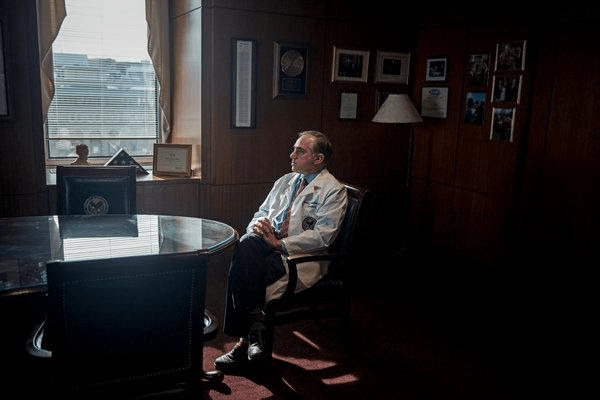
Shulkin-vaDavid J. Shulkin in his office in Washington in 2017 when he was the secretary of the Department of Veterans Affairs. Credit Gabriella Demczuk for The New York Times

It has been my greatest professional honor to serve our country’s more than 20 million veterans. Almost three years ago, I left my private sector job running hospitals and came to Washington to repay my gratitude to the men and women who put their lives on the line for our country.

I believe strongly in the mission of the Department of Veterans Affairs, and nothing about my political experience in Washington could ever change that. I also believe that maintaining a strong V.A. is an essential piece of the puzzle that is the United States’ national security system: We can only expect our sons and daughters to risk their lives and fight for our freedom if we can keep our promise to care for them when they return home broken, injured or traumatized. There is no excuse for not holding up our end of the bargain. The mission set forth by President Abraham Lincoln to care for those who have “borne the battle” is a sacred duty that I will remain committed to always.
During my tenure at the department, we have accomplished a tremendous amount. We passed critical legislation that improved the appeals process for veterans seeking disability benefits, enacted a new G.I. Bill and helped ensure that we employ the right people to work at the department. We have expanded access to health care by reducing wait times, increasing productivity and working more closely with the private sector. We have put in place more and better mental health services for those suffering from the invisible wounds of war. We are now processing more disability claims and appeals than ever before and, for the first time, allowing veterans to see the status of their appeals by simply logging on to their accounts. Unemployment among veterans is near its lowest level in years, at 3.5 percent, and the percent of veterans who have regained trust in V.A. services has risen to 70 percent, from 46 percent four years ago.

It seems that these successes within the department have intensified the ambitions of people who want to put V.A. health care in the hands of the private sector. I believe differences in philosophy deserve robust debate, and solutions should be determined based on the merits of the arguments. The advocates within the administration for privatizing V.A. health services, however, reject this approach. They saw me as an obstacle to privatization who had to be removed. That is because I am convinced that privatization is a political issue aimed at rewarding select people and companies with profits, even if it undermines care for veterans.

Until the past few months, veteran issues were dealt with in a largely bipartisan way. (My 100-0 Senate confirmation was perhaps the best evidence that the V.A. has been the exception to Washington’s political polarization.) Unfortunately, the department has become entangled in a brutal power struggle, with some political appointees choosing to promote their agendas instead of what’s best for veterans. These individuals, who seek to privatize veteran health care as an alternative to government-run V.A. care, unfortunately fail to engage in realistic plans regarding who will care for the more than 9 million veterans who rely on the department for life-sustaining care.

The private sector, already struggling to provide adequate access to care in many communities, is ill-prepared to handle the number and complexity of patients that would come from closing or downsizing V.A. hospitals and clinics, particularly when it involves the mental health needs of people scarred by the horrors of war. Working with community providers to adequately ensure that veterans’ needs are met is a good practice. But privatization leading to the dismantling of the department’s extensive health care system is a terrible idea. The department’s understanding of service-related health problems, its groundbreaking research and its special ability to work with military veterans cannot be easily replicated in the private sector.

I have fought to stand up for this great department and all that it embodies. In recent months, though, the environment in Washington has turned so toxic, chaotic, disrespectful and subversive that it became impossible for me to accomplish the important work that our veterans need and deserve. I can assure you that I will continue to speak out against those who seek to harm the V.A. by putting their personal agendas in front of the well-being of our veterans.

As many of you know, I am a physician, not a politician. I came to government with an understanding that Washington can be ugly, but I assumed that I could avoid all of the ugliness by staying true to my values. I have been falsely accused of things by people who wanted me out of the way. But despite these politically based attacks on me and my family’s character, I am proud of my record and know that I acted with the utmost integrity. Unfortunately, none of that mattered.

As I prepare to leave government, I am struck by a recurring thought: It should not be this hard to serve your country.

David J. Shulkin was the secretary of the Department of Veterans Affairs.

Article link: https://www.nytimes.com/2018/03/28/opinion/shulkin-veterans-affairs-privatization.html

“Hold the physician in honor”

Posted by timmreardon on 11/19/2018
Posted in: Uncategorized. Leave a comment

“Hold the physician in honor, for he is essential to you, and God it was who established his profession.  From God the doctor has his wisdom, … his knowledge makes the doctor distinguished, … He endows men with the knowledge to glory in his mighty works, Through which the doctor eases pain and the druggist prepares his medicines; Thus God’s creative work continues without cease in its efficacy on the surface of the earth.  Offer your sweet-smelling oblation and petition, a rich offering according to your means.  Then give the doctor his place lest he leave; for you need him too.  There are times that give him an advantage, and he too beseeches God that his diagnosis may be correct and his treatment bring about a cure.  He who is a sinner toward his Maker will be defiant toward the doctor.”  Sirach 38

Former Special Operations commander: Military medicine needs compassion, collaboration – Stripes

Posted by timmreardon on 11/19/2018
Posted in: Uncategorized. Leave a comment

McCraven 1By DIANNA CAHN | STARS AND STRIPES Published: December 22, 2015

SAN ANTONIO — The former commander of the U.S. Special Operations Command got personal during a conference of federal medical professionals.

For most at the conference, it was an opportunity to share advances in science and medicine and the latest tools in treating the prevalent or the confounding wounds of war.

Adm. William McRaven offered up a story. He took his audience to a day in 2010 when he was at Bagram Airfield in Afghanistan and got word that two of his SEALs had been shot in a close fight. McRaven ran across the road to the combat hospital and watched as the doctor struggled in vain to save each of his men. Unable to do so, the young doctor slid to the blood-soaked floor and simply wept.

A year later, McRaven met the widow of one of the SEALs and shared the details of that day. It gave her closure, she told him, to know that people who cared were present when her husband died.

The story was emotional, one told in order to drive home to his audience of medical professionals the power of compassion in medicine – even when it can’t save a patient’s life.

But in its telling, McRaven was forced to stop in his tracks and take a long pause before he could complete his story. For 10 seconds, the audience sat in silence as he struggled through his own emotions to find his voice. It drove home yet another lesson: No one – not the top warrior nor the highest star admiral – is immune to war’s toll.

“Ever since I’ve come back it’s been like that,” McRaven said later, during a brief interview. “I’ve told one story a dozen times and I still can’t get through it.”

McRaven now serves as the chancellor of the University of Texas, where he runs an academic system that has 14 medical institutions – eight universities and medical schools and six health science centers.

He sees himself as the CEO – running a large institution by building relationships with the people who work there and providing them with the resources they need. It’s a reasonable next step for a top military commander.

McCraven 2a

But he also brings with him a lifetime of experience with military medicine – from an active boyhood filled with regular visits to the military facility at Lackland Air Force Base in Texas where his father was an Air Force pilot, to his 37-year military career during which he suffered severe injury and raised his children on military health care.

As a child, the medical care seemed more like “a processing station,” he said. But his mother valued compassion in medicine and believed she saw those qualities in their many trips to the doctors.

Later, when there were complications during the birth of his children, McRaven saw the limitations of military medicine. He lived in Virginia Beach in the early 1980s, when Portsmouth naval hospital was in such bad shape, he said, that there were not blankets for the children’s’ ward and military families had to raise money for hospital supplies.

After a scandal, the military began pouring money into the hospital, and the change was “immediate apparent,” McRaven said.

It told the service men and women that the military cared, he said. And it made him realize how investment can lead to a dramatic improvement in quality and equally, how rapidly that can decline “if we fail to pay attention.”

Without a doubt, McRaven said, the training that special operations medics and corpsmen go through is the most demanding in the world – years of advanced trauma and emergency care training before the medic or corpsman can join a special operations unit.

He wondered if it was worth it, he said, until on July 18, 2001, McRaven was in a serious parachuting accident. It “ripped my pelvis apart” and tore all the muscles out of his stomach. He was in serious shock when the medics arrived. But he is convinced that the corpsman who treated him likely saved his life and at the very minimum, saved his way of life.

The latest wars have brought even more dramatic improvements to military medicine and tremendous investment in its infrastructure across the world from combat hospitals to medical air evacuations to trauma centers such as Landstuhl Regional Medical Center in Germany and Walter Reed National Military Medical Center in Bethesda. All of it, he said, is predicated on doctors who maintained their compassion.

But still missing is full medical collaboration between military agencies and the civilian world.

“All my presidents within the University of Texas system understand my emphasis on collaboration,” he said. “Collaboration should become the new normal.”

After 9/11, McRaven said, the wars flattened the hierarchy that had existed. Because of the nature of urban warfare, young troops were in charge of towns. It was risky, he said, but they did magnificently “and they learned to collaborate.”

“For us old folks out there, collaboration is tough, but it’s simple for the young kids who come up.”

Another example of collaboration were the civilian doctors – whether volunteers or reserve and National Guard – who brought their skills to the wars. They served alongside military doctors, taking care of service men and women, and at the same time, got experience in types of trauma care they would not have been exposed to at home.

McRaven once again turned the conversation personal. Five years ago, he was in Afghanistan when he was diagnosed with chronic lymphocytic leukemia, a typically slow-growing cancer that attacks normal blood cells, making it difficult for the body to fight infection. The doctor told McRaven he needed to be sent out of Afghanistan immediately, have his spleen removed and start on chemotherapy. He told the admiral his career was over.

But by the time McRaven got home, his wife had done some research and arranged for her husband to see a top civilian oncologist who looked at his numbers and said McRaven’s cancer was indolent and while he needed to be monitored, he was fine.

The doctor said when it came to oncology, the military was still practicing medieval medicine. The doctor offered to get together with military oncologists and teach them. McRaven eagerly accepted but when he tried to organize it, he hit up against a wall.

“Everybody put roadblocks in front of me,” he said. “I tried for a year and a half to pull great oncologists from the civilian sector to be able to have a forum with military doctors but we couldn’t pull it off. Why is that the case? That should never be the case.”

Fourteen years of war has been a boon for military medicine, McRaven said, and will likely save thousands of lives in the future. But collaboration between military and civilian health care is crucial moving forward, he said.

cahn.dianna@stripes.com
Twitter: @diannacahn

Article link: https://www.stripes.com/former-special-operations-commander-military-medicine-needs-compassion-collaboration-1.385426#.W_IFfI98wpY.twitter

AMA president calls for end to electronic health record abuse – Health Data Management

Posted by timmreardon on 11/15/2018
Posted in: Uncategorized. Leave a comment
By Greg Slabodkin

November 14 2018, 7:24am EST

The nation’s largest physician group is calling for an end to electronic health record “abuse” which is relegating doctors to the role of data entry clerks and leading to widespread professional burnout.

According to the American Medical Association, the problem of physician burnout is impacting about 50 percent of practicing doctors, and EHRs are squarely to blame, given that for every hour physicians spend on direct patient care they spend two hours on EHR data entry and other administrative tasks.

“Doctors are spending excessive time on data entry, contributing to physician burnout, with implications for quality of care,” AMA President Barbara McAneny, MD, told the opening session of the group’s Interim Meeting, held this week in National Harbor, Maryland.

AMA 1In addition, McAneny charged that “much of the EHR technology is dysfunctional” and fails to provide clinicians with the kind of clinical information that they require to perform their jobs effectively.
“It grew out of the billing software, so it doesn’t give us the decision support or the information we need,” she said. “The vendors of these systems like to paint doctors as Luddites who don’t like technology. They need to understand that we love technology—we just want technology that works.”

Making matters worse, McAneny contends that health plans and hospitals “use data blocking or inconvenience to keep patients trapped in their systems.” Ultimately, she concluded that “doctors just want the results of the tests.”

Likewise, AMA CEO James Madara, MD, told the audience that in healthcare today there are “vast structural gaps (in) achieving true data liquidity and interoperability” and “gaps in how clinical data is organized at the point of care (as well as) gaps in availability of delightful tools that make more effective use of physician time.”

Madara warned that the “lack of timely, trusted and better organized data—as well as a lack of data liquidity—all conspire to diminish the visibility of our practices.” He added that, “it’s like driving a car with a windshield covered in snow.”

To address this shortcoming, AMA last year launched a new digital platform—the Integrated Health Model Initiative (IHMI)—designed to improve, organize and share healthcare information among stakeholders through a common data model.

Also See: AMA launches platform for organizing, exchanging health information

According to Madara, the IHMI data model delivers more accurate, actionable, clinically validated and organized data to better serve patients.

“IHMI has already developed a prototype demonstrating how remote blood pressures, taken in the right context, can be captured and organized within a distant medical record, without archaic paper, faxes or note keeping,” he said. “This coming year, as part of the model to address hypertension, IHMI will also capture often overlooked elements, such as patient goals and social determinants of health.”

Madara added that AMA has recruited Tom Giannulli, MD, to lead the next phase of IHMI as chief medical information officer.

“Tom is both a physician and bioengineer and launched leading-edge digital companies, such as the first EHR for the iPhone—a company that was later acquired by Epocrates,” he concluded. “These are not trivial projects, and they will take some years to develop and implement. But imagine if we had deployed these same patient- and physician-focused approaches years ago when our current electronic platforms were being built—our healthcare system would be in a far better place today.”

Article link: https://www.healthdatamanagement.com/news/ama-president-calls-for-end-to-electronic-health-record-abuse

The Role of the Interagency Program Office in VA Electronic Health Record Modernization – House Veterans Affairs Committee

Posted by timmreardon on 11/14/2018
Posted in: Uncategorized. Leave a comment

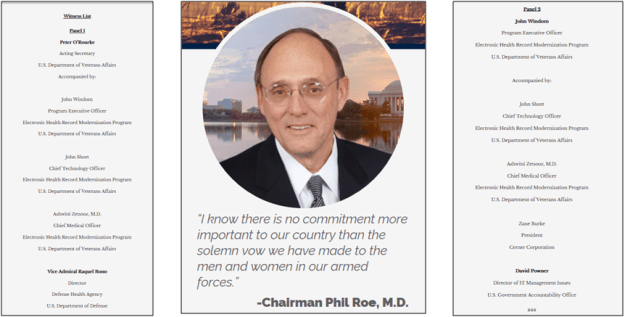
View HearingHouse IPO 1

House IPO 3

VA Electronic Health Record Modernization: The Beginning of the Beginning – House Veterans Affairs Committee

Posted by timmreardon on 11/14/2018
Posted in: Uncategorized. Leave a comment

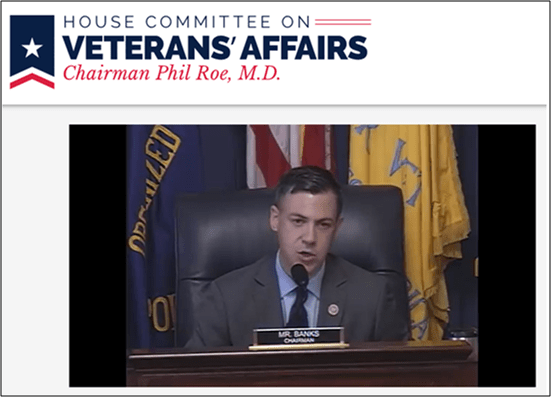
View Hearing

House Committee 1

House Committee 2

180-Day Review of the Electronic Health Record Modernization Program – House Committee on Veterans Affairs

Posted by timmreardon on 11/14/2018
Posted in: Uncategorized. Leave a comment

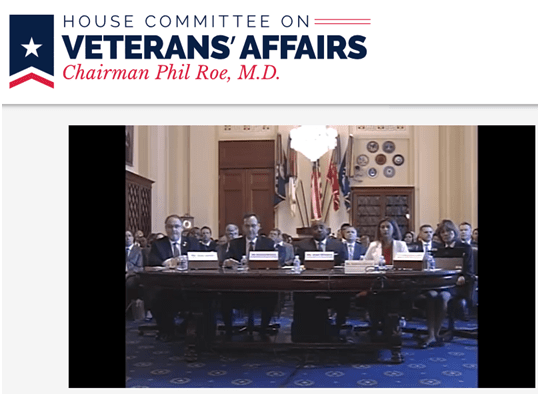
View Hearing

House Com1

House Com3

On Demand: “How Do You Lead Digital Transformation?” – MIT Sloan Management

Posted by timmreardon on 11/14/2018
Posted in: Uncategorized. Leave a comment


MIT Sloan - Digital1

On Demand: “How Do You Lead Digital Transformation?”

Leading an organization through digital transformation is an uncharted journey for most of us. Moving away from legacy systems, processes, and operations to a digital model requires a steady strategic hand. Too many companies approach this transformation as a technology issue when it’s really a people and processes issue.

In this webinar, Gerald C. Kane and Anh Nguyen Phillips, coauthors of MIT SMR’s report, “Coming of Age Digitally,” discuss the steps leaders can take to prepare for and execute digital transformation of the organization.

In this webinar you will learn:

  • Which functional areas have the greatest success in leading digital progress
  • Why technology shouldn’t be the key focus of your digital transformation effort
  • How to align digital and overall strategy for smoother transitioning off legacy systems
  • Why the C-suite’s digital leadership is essential (to a point)

Something Happened to U.S. Drug Costs in the 1990s – New York Times

Posted by timmreardon on 11/13/2018
Posted in: Uncategorized. Leave a comment

Two decades ago, the costs began rising well beyond that of other nations, and in recent years have shot up again. What can explain it?

By Austin Frakt

Nov. 12, 2018

There was a time when America approximated other wealthy countries in drug spending. But in the late 1990s, U.S. spending took off. It tripled between 1997 and 2007, according to a study in Health Affairs.

Then a slowdown lasted until about 2013, before spending shot up again. What explains these trends?

NYT Drugs 1

By 2015, American annual spending on prescription drugs reached about $1,000 per person and 16.7 percent of overall personal health care spending. The Commonwealth Fund compared that level with that of nine other wealthy nations: Australia, Canada, France, Germany, the Netherlands, Norway, Sweden, Switzerland and Britain.

Among those, Switzerland, second to the United States, was only at $783. Sweden was lowest, at $351. (It should be noted that relative to total health spending, American spending on drugs is consistent with that of other countries, reflecting the fact that we spend a lot more on other care, too.)

Eliminating Some Suspects

Several factors could be at play in America’s spending surge. One is the total amount of prescription drugs used. But Americans do not take a lot more drugs than patients in other countries, as studies document.

In fact, when it comes to drugs primary care doctors typically prescribe — including medications for hypertension, high cholesterol, depression, gastrointestinal conditions and pain — a recent study in the journal Health Policy found that Americans use prescription drugs for 12 percent fewer days per year than their counterparts in other wealthy countries.

Another potential explanation is that Americans take more expensive brand-name drugs than cheaper generics relative to their overseas counterparts. This doesn’t hold up either. We use a greater proportion of generic drugs here than most other countries — 84 percent of prescriptions are generic.

Though Americans take a lower proportion of brand-name drugs, the prices of those drugs are a lot higher than in other countries. For many drugs, U.S. prices are twice those found in Canada, for example.

Prices are a lot higher for brand-name drugs in the United States because we lack the widespread policies to limit drug prices that many other countries have.

“Other countries decline to pay for a drug when the price is too high,” said Rachel Sachs, who studies drug pricing and regulation as an associate professor of law at Washington University in St. Louis. “The United States has been unwilling to do this.”

For example, except in rare cases, Britain will pay for new drugs only when their effectiveness is high relative to their prices. German regulators may decline to reimburse a new drug at rates higher than those paid for older therapies, if they find that it offers no additional benefit. Some other nations base their prices on those charged in Britain, Germany or other countries, Ms. Sachs added.

That, by and large, explains why we spend so much more on drugs in the United States than elsewhere. But what drove the change in the 1990s? One part of the explanation is that a record number of new drugs emerged in that decade.

Huge sales for new and expensive drugs

In particular, sales of costly new hypertension and cancer drugs took off in the 1990s. The number of drugs with sales that topped $1 billion increased to 52 in 2006 from six in 1997. The combination of few price controls and rapid growth of brand-name drugs increased American per capita pharmaceutical spending.

“The scientific explosion of the 1970s and 1980s that allowed us to isolate the genetic basis of certain diseases opened a lot of therapeutic areas for new drugs,” said Aaron Kesselheim, an associate professor of medicine at Harvard Medical School.

He pointed to other factors promoting the growth of drug spending in the 1990s, including increased advertising to physicians and consumers. Regulations on drug ads on TV were relaxed, which led to more advertising. More rapid F.D.A. approvals, fueled by new fees collected from pharmaceutical manufactures that began in 1992, also helped push new drugs to market.

In addition, in the 1990s and through the mid-2000s, coverage for drugs (as well as for other health care) expanded through public programs. Expansions of Medicaid and the Children’s Health Insurance Program also coincided with increased drug spending. And Medicare adopted a universal prescription drug benefit in 2006. Studies have found that when the potential market for drugs grows, more drugs enter it.

NYT Drugs 1

The arrival of drugs for hepatitis C like Sovaldi helped fuel spending growth. CreditScott Nelson for The New York Times

In 2007, U.S. drug spending growth was the slowest since 1974. The slowdown in the mid-2000s can be explained by fewer F.D.A. approvals of blockbuster drugs. Annual F.D.A. approvals of new drugs fell from about 35 in the late 1990s and early 2000s to about 20 per year in 2005-07.

In addition, the patents of many top-selling drugs (like Lipitor) expired, and as American prescription drug use tipped back toward generics, per capita spending leveled off.

The spike starting in 2014 mirrors that of the 1990s. The arrival of expensive specialty drugs for hepatitis C, cystic fibrosis and other conditions fueled spending growth. Many of the new drugs are based on relatively recent advances in science, like the completion of the human genome project.

“Many of the new agents are biologics,” said Peter Bach, director of the Center for Health Policy and Outcomes at Memorial Sloan Kettering Cancer Center. “These drugs have no meaningful competition, and therefore command very high prices.”

A U.S. Department of Health and Human Services issue brief estimated that 30 percent of the rise in drug spending between 2000 and 2014 could be attributed to price increases or greater use of higher-priced drugs. Coverage expansions of the Affordable Care Act also contributed to increased drug spending. In addition, “there has been a lowering of approval standards,” Dr. Bach said. “So more of these new, expensive drugs are making it to market faster.”

“As in the earlier run-up in drug spending, we’re largely uncritical of the price-value trade-off for drugs in the U.S.,” said Michelle Mello, a health law scholar at Stanford. “Though we pay high prices for some drugs of high value, we also pay high prices for drugs of little value. The U.S. stands virtually alone in this.”

Outlook for the future

If the principal driver of higher American drug spending is higher pricing on new, blockbuster drugs, what does that bode for the future? “I suspect things will get worse before they get better,” Ms. Sachs said. The push for precision medicine — drugs made for smaller populations, including matching to specific genetic characteristics — may make drugs more effective, therefore harder to live without. That’s a recipe for higher prices.

Democratic politicians have tended to be the ones advocating governmental policies to limit drug prices. But recently the Trump administration announced a Medicare drug pricing plan that seems to reflect growing comfort with how drug prices are established overseas, and there’s new optimism the two sides could work together after the results of the midterms. Although the effectiveness of the plan remains unclear, it is clearly a response to public concern about drug prices and spending.

CVS also recently announced it would devise employer drug plans that don’t include drugs with prices out of line with their effectiveness — something more common in other countries but unheard-of in the United States. Even if these efforts don’t take off rapidly, they are early signs that attitudes might be changing.

Austin Frakt is director of the Partnered Evidence-Based Policy Resource Center at the V.A. Boston Healthcare System; associate professor with Boston University’s School of Public Health; and adjunct associate professor with the Harvard T.H. Chan School of Public Health. He blogs at The Incidental Economist. @afrakt

A version of this article appears in print on Nov. 13, 2018, on Page B4 of the New York edition with the headline: Why Are Drug Costs So High? Problem Traces to 1990s.
Article link: https://www.nytimes.com/2018/11/12/upshot/why-prescription-drug-spending-higher-in-the-us.html#click=https://t.co/C302cnXSFQ

Posts navigation

← Older Entries
Newer Entries →
  • Search site

  • Follow healthcarereimagined on WordPress.com
  • Recent Posts

    • When Not to Use AI – MIT Sloan 04/01/2026
    • There are more AI health tools than ever—but how well do they work? – MIT Technology Review 03/30/2026
    • Are AI Tools Ready to Answer Patients’ Questions About Their Medical Care? – JAMA 03/27/2026
    • How AI use in scholarly publishing threatens research integrity, lessens trust, and invites misinformation – Bulletin of the Atomic Scientists 03/25/2026
    • VA Prepares April Relaunch of EHR Program – GovCIO 03/19/2026
    • Strong call for universal healthcare from Pope Leo today – FAN 03/18/2026
    • EHR fragmentation offers an opportunity to enhance care coordination and experience 03/16/2026
    • When AI Governance Fails 03/15/2026
    • Introduction: Disinformation as a multiplier of existential threat – Bulletin of the Atomic Scientists 03/12/2026
    • AI is reinventing hiring — with the same old biases. Here’s how to avoid that trap – MIT Sloan 03/08/2026
  • Categories

    • Accountable Care Organizations
    • ACOs
    • AHRQ
    • American Board of Internal Medicine
    • Big Data
    • Blue Button
    • Board Certification
    • Cancer Treatment
    • Data Science
    • Digital Services Playbook
    • DoD
    • EHR Interoperability
    • EHR Usability
    • Emergency Medicine
    • FDA
    • FDASIA
    • GAO Reports
    • Genetic Data
    • Genetic Research
    • Genomic Data
    • Global Standards
    • Health Care Costs
    • Health Care Economics
    • Health IT adoption
    • Health Outcomes
    • Healthcare Delivery
    • Healthcare Informatics
    • Healthcare Outcomes
    • Healthcare Security
    • Helathcare Delivery
    • HHS
    • HIPAA
    • ICD-10
    • Innovation
    • Integrated Electronic Health Records
    • IT Acquisition
    • JASONS
    • Lab Report Access
    • Military Health System Reform
    • Mobile Health
    • Mobile Healthcare
    • National Health IT System
    • NSF
    • ONC Reports to Congress
    • Oncology
    • Open Data
    • Patient Centered Medical Home
    • Patient Portals
    • PCMH
    • Precision Medicine
    • Primary Care
    • Public Health
    • Quadruple Aim
    • Quality Measures
    • Rehab Medicine
    • TechFAR Handbook
    • Triple Aim
    • U.S. Air Force Medicine
    • U.S. Army
    • U.S. Army Medicine
    • U.S. Navy Medicine
    • U.S. Surgeon General
    • Uncategorized
    • Value-based Care
    • Veterans Affairs
    • Warrior Transistion Units
    • XPRIZE
  • Archives

    • April 2026 (1)
    • March 2026 (9)
    • February 2026 (6)
    • January 2026 (8)
    • December 2025 (11)
    • November 2025 (9)
    • October 2025 (10)
    • September 2025 (4)
    • August 2025 (7)
    • July 2025 (2)
    • June 2025 (9)
    • May 2025 (4)
    • April 2025 (11)
    • March 2025 (11)
    • February 2025 (10)
    • January 2025 (12)
    • December 2024 (12)
    • November 2024 (7)
    • October 2024 (5)
    • September 2024 (9)
    • August 2024 (10)
    • July 2024 (13)
    • June 2024 (18)
    • May 2024 (10)
    • April 2024 (19)
    • March 2024 (35)
    • February 2024 (23)
    • January 2024 (16)
    • December 2023 (22)
    • November 2023 (38)
    • October 2023 (24)
    • September 2023 (24)
    • August 2023 (34)
    • July 2023 (33)
    • June 2023 (30)
    • May 2023 (35)
    • April 2023 (30)
    • March 2023 (30)
    • February 2023 (15)
    • January 2023 (17)
    • December 2022 (10)
    • November 2022 (7)
    • October 2022 (22)
    • September 2022 (16)
    • August 2022 (33)
    • July 2022 (28)
    • June 2022 (42)
    • May 2022 (53)
    • April 2022 (35)
    • March 2022 (37)
    • February 2022 (21)
    • January 2022 (28)
    • December 2021 (23)
    • November 2021 (12)
    • October 2021 (10)
    • September 2021 (4)
    • August 2021 (4)
    • July 2021 (4)
    • May 2021 (3)
    • April 2021 (1)
    • March 2021 (2)
    • February 2021 (1)
    • January 2021 (4)
    • December 2020 (7)
    • November 2020 (2)
    • October 2020 (4)
    • September 2020 (7)
    • August 2020 (11)
    • July 2020 (3)
    • June 2020 (5)
    • April 2020 (3)
    • March 2020 (1)
    • February 2020 (1)
    • January 2020 (2)
    • December 2019 (2)
    • November 2019 (1)
    • September 2019 (4)
    • August 2019 (3)
    • July 2019 (5)
    • June 2019 (10)
    • May 2019 (8)
    • April 2019 (6)
    • March 2019 (7)
    • February 2019 (17)
    • January 2019 (14)
    • December 2018 (10)
    • November 2018 (20)
    • October 2018 (14)
    • September 2018 (27)
    • August 2018 (19)
    • July 2018 (16)
    • June 2018 (18)
    • May 2018 (28)
    • April 2018 (3)
    • March 2018 (11)
    • February 2018 (5)
    • January 2018 (10)
    • December 2017 (20)
    • November 2017 (30)
    • October 2017 (33)
    • September 2017 (11)
    • August 2017 (13)
    • July 2017 (9)
    • June 2017 (8)
    • May 2017 (9)
    • April 2017 (4)
    • March 2017 (12)
    • December 2016 (3)
    • September 2016 (4)
    • August 2016 (1)
    • July 2016 (7)
    • June 2016 (7)
    • April 2016 (4)
    • March 2016 (7)
    • February 2016 (1)
    • January 2016 (3)
    • November 2015 (3)
    • October 2015 (2)
    • September 2015 (9)
    • August 2015 (6)
    • June 2015 (5)
    • May 2015 (6)
    • April 2015 (3)
    • March 2015 (16)
    • February 2015 (10)
    • January 2015 (16)
    • December 2014 (9)
    • November 2014 (7)
    • October 2014 (21)
    • September 2014 (8)
    • August 2014 (9)
    • July 2014 (7)
    • June 2014 (5)
    • May 2014 (8)
    • April 2014 (19)
    • March 2014 (8)
    • February 2014 (9)
    • January 2014 (31)
    • December 2013 (23)
    • November 2013 (48)
    • October 2013 (25)
  • Tags

    Business Defense Department Department of Veterans Affairs EHealth EHR Electronic health record Food and Drug Administration Health Health informatics Health Information Exchange Health information technology Health system HIE Hospital IBM Mayo Clinic Medicare Medicine Military Health System Patient Patient portal Patient Protection and Affordable Care Act United States United States Department of Defense United States Department of Veterans Affairs
  • Upcoming Events

Blog at WordPress.com.
healthcarereimagined
Blog at WordPress.com.
  • Subscribe Subscribed
    • healthcarereimagined
    • Join 153 other subscribers
    • Already have a WordPress.com account? Log in now.
    • healthcarereimagined
    • Subscribe Subscribed
    • Sign up
    • Log in
    • Report this content
    • View site in Reader
    • Manage subscriptions
    • Collapse this bar
 

Loading Comments...