healthcarereimagined

Envisioning healthcare for the 21st century

  • About
  • Economics

23andMe to Mine Genetic Database for Drug Discovery – Wall Street Journal

Posted by timmreardon on 03/13/2015
Posted in: Uncategorized. Leave a comment

By Ron Winslow
The Wall Street Journal

March 12, 2015 8:00 a.m. ET
WSJ 23 and me

Anne Wojcicki, co-founder and chief executive officer of 23andMe. Photo: Bloomberg News

23andMe Inc., the personal genetics company, has sold enough DNA spit kits to accumulate genetic information on 850,000 customers. Now it plans to mine that database for drug targets, and it has picked a star drug developer to lead the effort.

The closely held Mountain View, Calif., company on Thursday said Richard Scheller, who retired in December as head of research and early development at Roche Holding AG, will become chief science officer next month and will lead a new therapeutics group that will seek to discover new drugs.

The hope is that mutations and other genetic information harbored in the database—along with links to health information customers have provided to 23andMe—will reveal mechanisms and potential drug targets for a range of rare and common diseases. The information is obtained from customers curious about their DNA who submit saliva to the company for genomic analysis.

The company sends customers their genetic data but says 80% of them agree that 23andMe owns the aggregated data with rights to use it for research. It says the database is the largest repository of human genetic data in the world.

About a dozen companies, including Roche’s Genentech unit and Pfizer Inc., already use the data under pacts with 23andMe, seeking drug-related clues about specific mutations or diseases. Indeed, Dr. Scheller said the last business development deal he signed at Roche was to gain access to the 23andMe data for Parkinson’s disease research.

Those partnerships will continue, said Anne Wojcicki, 23andMe’s chief executive officer. But unlike those collaborations, in which companies agree to pursue clearly defined projects, the new therapeutics group will have “the opportunity to look broadly through the database and not have a particular restriction to what we’re looking for,” Dr. Scheller said. “Then we’ll work on the very best and most convincing targets that come out of the search process.”

Dr. Scheller’s appointment is the latest in a string of moves 23andMe has made to revamp operations since late 2013, when the U.S. Food and Drug Administration rebuked the company for aggressively marketing the saliva kits as a medical test, while persistently failing to comply with FDA requests for information to support marketing authorization. It ordered the company to halt selling the kits for medical or diagnostic uses.

The company continues to sell the $99 kits for such nonmedical purposes as ancestry discovery. The FDA recently approved a version of the test that can check whether a healthy person carries a rare genetic mutation that could result in a child being born with a serious disorder.

Ms Wojcicki said the company recognized the episode as “an opportunity to transform” itself. It has taken steps to mend its relationship with the FDA and hired several senior executives, including a chief legal and regulatory officer and a chief medical officer.

Metabolic and immune system disorders, eye disease and cancer are among conditions the company will seek to address through searching the database. Among other things, it hopes to learn from what Ms. Wojcicki calls “escapers,” people who carry a potentially deleterious mutation but don’t have any disease symptoms.

Because they aren’t sick, such people don’t show up in the doctor’s office, but they can be found in the company’s database, Ms. Wojcicki said. Determining what traits seem to protect them from disease could reveal targets, for instance, to treat people with the mutation who do get sick.

It is a challenging task. A few years ago, Ms. Wojcicki said, the company thought it found a mutation that protected high risk people from getting Parkinson’s disease. But the target didn’t pan out in further analysis. Still, she regards the discovery as evidence of the database’s potential.

“There are lots of meaningful discoveries to be found,” she said.

Dr. Scheller’s connection to 23andMe dates to around its founding in 2006. He was head of research and development at Genentech when the company participated in 23andMe’s initial round of venture funding. In his posts at Genentech and Roche, he oversaw development of several drugs, including the breast cancer drugs Perjeta and Kadcycla and numerous molecules still in late stage development. He and Ms. Wojcicki stayed in touch.

They met for tea at his house on the Stanford University campus late last year as he was preparing to leave Roche, Dr. Scheller said. Both had thought the database would be a great resource for drug discovery, but until then, they hadn’t formally discussed it, Dr. Scheller said.

“Before the water was boiling, we basically had an agreement that this is something that would be terrific to do,” he said.

Article link: http://www.wsj.com/articles/23andme-to-use-genetic-database-for-drug-discovery-1426161601?mod=e2tw


DNA Editing of Human Embryos Alarms Scientists – Scientific American

Posted by timmreardon on 03/13/2015
Posted in: Genetic Data, Genetic Research, Genomic Data. Leave a comment

March 13, 2015 |By David Cyranoski and Nature magazine

 A call by scientists to halt to precision gene-editing of DNA in human embryos would allow time to work out safety and ethical issues
sperm fertilizing an egg

Sperm cell fertilizing an egg.
Credit: Wikimedia Commons

Amid rumors that precision gene-editing techniques have been used to modify the DNA of human embryos, researchers have called for a moratorium on the use of the technology in reproductive cells.

In a Comment published on March 12 in Nature, Edward Lanphier, chairman of the Alliance for Regenerative Medicine in Washington DC, and four co-authors call on scientists to agree not to modify human embryos — even for research.

“Such research could be exploited for non-therapeutic modifications. We are concerned that a public outcry about such an ethical breach could hinder a promising area of therapeutic development,” write Lanphier and his colleagues, who include Fyodor Urnov, a pioneer in gene-editing techniques and scientist at Sangamo BioSciences in Richmond, California. Many groups, including Urnov’s company, are already using gene-editing tools to develop therapies that correct genetic defects in people (such as by editing white blood cells). They fear that attempts to produce ‘designer babies’ by applying the methods to embryos will create a backlash against all use of the technology.

Known as germline modification, edits to embryos, eggs or sperm are of particular concern because a person created using such cells would have had their genetic make-up changed without consent, and would permanently pass down that change to future generations.

“We need a halt on anything that approaches germline editing in human embryos,” Lanphier, who is also chief executive of Sangamo, told Nature’s news team.

But other scientists disagree with that stance. Although there needs to be a wide discussion of the safety and ethics of editing embryos and reproductive cells, they say, the potential to eliminate inherited diseases means that scientists should pursue research.

Related trials
Geneticist Xingxu Huang of ShanghaiTech University in China, for example, is currently seeking permission from his institution’s ethics committee to try genetically modifying discarded human embryos. In February 2014, he reported using a gene-editing technique to modify embryos that developed into live monkeys. Human embryos would not be allowed to develop to full term in his experiments, but the technique “gives lots of potential for its application in humans,” he says.

Besides Huang’s work, gene-editing techniques are also being used by Juan Carlos Izpisua Belmonte, a developmental biologist at the Salk Institute for Biological Studies in La Jolla, California, to eliminate disease-causing mutations from mitochondria, the cell’s energy-processing structures. Belmonte’s work is on unfertilized eggs; human eggs with such modified mitochondria could one day be used in in vitro fertilization (IVF) procedures to prevent a woman’s offspring from inheriting mitochondrial disease.

There are also suspicions that scientists have already created human embryos with edited genomes. Several researchers who do not want to be named told Nature’s news team that papers describing such work are being considered for publication.

Scientists who attended a meeting in Napa, California, in January to discuss potential uses of germline gene-editing have written a perspective paper about their concerns for publication in Science. Geneticist Dana Carroll of the University of Utah in Salt Lake City, who was at the Napa meeting, says that it will call for discussions of the safety and ethics of using editing techniques on human embryos.

“Germline genome alterations are permanent and heritable, so very, very careful consideration needs to be taken in advance of such applications,” Carroll says.

Wide concerns
Germline gene editing is already banned by law in many countries — a 2014 review by Tetsuya Ishii, a bioethicist at Hokkaido University in Sapporo, Japan, found that of 39 countries, 29 have laws or guidelines that ban the practice. But the development of precise gene-editing techniques in recent years has brought fresh urgency to the issue. These techniques use enzymes called nucleases to snip DNA at specific points and then delete or rewrite the genetic information at those locations. The methods are simple enough to be used in a fertility clinic, raising fears that they might be applied in humans before safety concerns have been addressed.

One concern, for example, is that the nucleases could cause mutations at locations other than those targeted. Guanghui Liu, a stem-cell researcher at the Chinese Academy of Sciences Institute of Biophysics in Beijing, collaborated on a study that showed that modifying one gene in stem cells resulted in minimal mutations elsewhere, but he warns that this is only one case.

Every application to use gene-editing technology for a therapy would have to be validated independently as safe and effective, says Jennifer Doudna, a biochemist at the University of California, Berkeley. “It would be necessary to decide, for each potential application, whether the risks outweigh the possible benefit to a patient. I think this assessment must be made on a case-by-case basis,” she says.

Ishii worries about countries such as the United States: there, germline editing is not banned but requires government approval, but such restrictions have a history of being circumvented, as in the case of unproven stem-cell treatments. He is also concerned about China, which prohibits gene-editing of embryos but does not strictly enforce similar rules, as shown by failed attempts to curb the use of ultrasound for sex selection and to stamp out unauthorized stem-cell clinics. China is also where gene-editing techniques in primates have developed fastest. “There are already a lot of dodgy fertility clinics around the world,” he says.

This article is reproduced with permission and was first published on March 12, 2015.

Article link: http://www.scientificamerican.com/article/dna-editing-of-human-embryos-alarms-scientists/?utm_source=twitterfeed&utm_medium=twitter&utm_campaign=Feed%3A+ScientificAmerican-Twitter+%28Content%3A+Global+Twitter+Feed%29

Where Is HITECH’s $35 Billion Dollar Investment Going? – Health Affairs

Posted by timmreardon on 03/09/2015
Posted in: Blue Button, Data Science, EHR Interoperability, EHR Usability, Health Care Costs, Health Care Economics, Health IT adoption, Health Outcomes, Healthcare Delivery, Healthcare Informatics, Healthcare Security, Innovation, Integrated Electronic Health Records, JASONS, Lab Report Access, Military Health System Reform, Mobile Healthcare, National Health IT System, Patient Centered Medical Home, Patient Portals. Leave a comment

Where Is HITECH’s $35 Billion Dollar Investment Going?

Posted By Sen. John Thune, Sen. Lamar Alexander, Sen. Pat Roberts, Sen. Richard Burr and Sen. Mike Enzi On March 4, 2015 @ 2:30 pm In All Categories,Big Data,Connected Health,Health IT,Health Reform,Hospitals,Physicians,Technology | 7 Comments

On April 16, 2013, we released “REBOOT: Re-examining the Strategies Needed to Successfully Adopt Health IT [1],” outlining concerns with implementation of the Health Information Technology and Economic and Clinical Health (HITECH) Act. Specifically, we asked: What have the American people gotten for their $35 billion dollar investment?

Two years after releasing the white paper, and six years since enactment of the HITECH Act [2], the question remains. There is inconclusive evidence that the program has achieved its goals of increasing efficiency, reducing costs, and improving the quality of care.

We have been candid about the key reason for the lackluster performance of this stimulus program: the lack of progress toward interoperability. Countless electronic health record vendors, hospital leaders, physicians, researchers, and thought leaders have told us time and again that interoperability is necessary to achieve the promise of a more efficient health system for patients, providers, and taxpayers.

Instead, according to physician surveys [3], electronic health records (EHRs) are a leading cause of anxiety [4] for physicians across the country. The EHR products are not meaningful to physicians, which is clear when you consider that half of all physicians [5] will have their Medicare payments cut in 2015 for not adopting government benchmarks for EHRs.

We were pleased that the Office of the National Coordinator for Health Information Technology (ONC) recognizes the concern of hospitals, providers, patients, and other stakeholders, and recently released a draft roadmap for interoperability. In it, ONC proposes [6] to work with stakeholders to develop minimal standards for the safe and secure exchange of EHRs. We appreciate ONC’s efforts to identify the steps necessary to achieve true interoperability of EHRs, but we are concerned that the draft speaks in generalities and does not address all of the concerns raised about interoperability in the REBOOT report.

The ONC roadmap provides a framework for responsibility, governance, and accountability in regard to the future development and implementation of interoperable EHRs. But instead of offering specific objectives, deadlines, and action items, ONC’s roadmap falls short on the nitty gritty technology specifics that vendors and providers need when developing IT products. We are left with many outstanding questions about how to achieve interoperability and how to address the cost, oversight, privacy, and sustainability of the meaningful use program.

Interoperability

A truly interoperable health system in local communities and across the country will enable physicians, hospitals, and other health care providers to seamlessly share patient information, such as medical histories or diagnostic tests, through a secure network. Sharing this information should improve care and reduce costs by allowing physicians to better coordinate care. For example, health information exchange between providers should prevent duplicative tests and harmful drug interactions.

After spending $28 billion [7] so far of the $35 billion total taxpayer investment, significant progress toward interoperability has been elusive. Stage 1 of the meaningful use program failed to include any meaningful health information exchange requirements, and lacked a vision to achieve interoperability. Instead, Stage 1 incentivized the widespread adoption of EHR systems that providers now say are difficult to use and lack the ability to exchange information without costly upgrades.

We are now well into Stage 2 of the Meaningful Use program and providers are struggling to meet even modest health information exchange requirements. According to a report [8] released by the Centers for Medicare and Medicaid Services (CMS) on February 10, 2015, only 131,905 out of more than 500,000—or roughly 25 percent—of eligible medical providers and hospitals had attested to either Stage 1 or Stage 2 for 2014. Responding to stakeholder feedback, CMS allowed more flexibility [9] to providers to meet Stage 2 requirements.

By remaining in listening mode, ONC proposed high-level goals for how to achieve interoperability, like building on existing infrastructure and empowering individuals, but the roadmap fails to outline real and actionable next steps. It is not enough for ONC to identify factors it believes are important. It must also delineate how it will find specific solutions to these concerns. The HITECH Act was clear: ONC is supposed to certify EHRs that can meet the program requirements for the meaningful use of EHRs.

Meaningful use of EHRs is supposed to deliver value to patients and physicians, but instead we have reports that have shown [10] that ONC certified products fail to deliver the value of easily exchangeable health information to better coordinate care. They are also incredibly expensive with no guarantee that providers purchasing certified products will achieve the Meaningful Use program requirements.

Indeed, through the ONC certification program, ONC has had the ability to achieve interoperability, but instead ONC is still struggling. Nothing makes this point more clear than this fact: Stage 2 meaningful use was promised to be the stage when health providers were interoperable yet we are well into Stage 2 and ONC is just now releasing its vision for interoperability with a high level roadmap.

We have seen many high-level documents on interoperability: the JASON reports, the Health IT Policy and Standards Committees’ reports, the Connecting Health and Care for the Nation: A 10-Year Vision to Achieve an Interoperable Health IT Infrastructure report, and the Federal Health IT Strategic Plan 2015-2020 report. All of these reports, as well as the ONC’s latest roadmap, are missing the same thing: practical and actionable steps to ensure a proper return on the American people’s investment.

Increasing Costs

In 2009, the Congressional Budget Office (CBO) estimated [2] that fully integrated interoperability would save the Medicaid and Medicare programs $12.5 billion through 2019. These savings have yet to materialize and with 50 percent of doctors unable to meet current program requirements, it is unlikely that taxpayers will see these savings [11]in the near future. Moreover, the number one complaint we hear from providers is the unexpected costs of maintaining and upgrading their systems.

ONC does not describe how it will determine the costs associated with the adoption of expanding interoperable platforms. Nor does ONC explain how it would evaluate cost or incorporate cost control into the development and scaling of interoperability. Provider concerns about the cost of complying with the program should be addressed in the roadmap.

We appreciate the notion [12] that as new models of care begin to reward providers for outcomes, changing incentives will reward interoperability. We agree. However, we live in the aftermath of the HITECH Act, where to date $28 billion have not resulted in significant improvements to clinical care coordination or quality. Without concrete immediate and long-term steps, tied into accurate, usable (and collectable) performance measures, we will continue to see a meager return on investment.

Lack of Oversight

One way to improve oversight of the program is to put in place measures to gauge success. ONC appears to be taking a step in the right direction by describing seven different lenses to measure and evaluate the quantity and quality of information flow within interoperable systems, such as who is exchanging information, and where and what type of information is being exchanged. However, without specific performance goals for each type of measurement, it is unclear how ONC will measure success. In addition to defining these metrics, effective oversight includes describing how the metrics will be collected, analyzed, reported, and used for decision making.

The fiscal year 2015 Omnibus Appropriations Act required ONC to issue a report on information blocking — the practice that EHR  vendors, and sometimes hospitals and physicians, use to prevent electronic information exchange as a way to gain a competitive advantage in the health care marketplace. The report will give Congress a better understanding of the extent to which information blocking happens and a comprehensive strategy on how to address it. It will also provide a good example of how ONC exercises its oversight responsibility.

Patient Privacy at Risk

The security of patients’ personal health information in EHR systems is a real and immediate concern to us. According to a warning the Federal Bureau of Investigation (FBI) issued to health care providers in April 2014, the health care industry has the highest volume of cyber threats and the slowest response time. The industry “is not as resilient to cyber intrusions compared to the financial and retail sectors, therefore the possibility of increased cyber intrusions is likely,” the FBI stated [13]. Unlike a credit card number, the information contained in a patient’s health record is impossible to reissue. Health records contain financial records, personal information, medical history, and family contacts — enough information to steal and build a full identity or use for valuable research purposes.

The ONC roadmap describes collaboration across several government agencies to accomplish their security goals. It says the Department of Health and Human Services will work with the Office of Civil Rights and industry to develop and propose a uniform approach to developing and enforcing cybersecurity in health care in concert with enforcement of HIPAA Rules.

However, the roadmap lacks clear, obtainable goals regarding security requirements and implementation. Additionally, the costs for our future security infrastructure are unknown, as well as who will pay for it. As new cyber threats emerge every day, this administration must answer these questions quickly. The recent hack on a major health insurer that compromised personal information, including Social Security numbers and health histories, of tens of millions of Americans highlights the urgent need for an appropriate framework to protect patient privacy.

Program Sustainability

The long-term sustainability of EHR systems remains one of the biggest unknowns. ONC’s roadmap is surprisingly silent on this topic, which is stunning considering that there is only $7 billion in funding left from the HITECH Act. While the President’s Budget does request a significant increase in funding for ONC, the administration seems to ignore the reality that taxpayers have already committed billions of dollars toward a goal that is still vague.

According to ONC [14], implementing EHR systems range from $15,000 to $70,000 per provider. According to a September 2014 IBIS World Report [15]on EHRs, nearly 45 percent of physicians from the national survey reported spending more than $100,000 on a system. About 77 percent of the largest practices spent nearly $200,000 on their systems. However, even these estimates fail to consider upgrade and vendor costs associated with running these systems. Numerous stakeholders have stated that one large obstacle to interoperability and sustainability is the cost [16] of sharing data among different vendors.

ONC envisioned [17] the State Health Information Exchange Program would help facilitate this exchange, and taxpayers spent over $500 million on this effort. Yet, the program has failed to provide a long-term approach to information exchange. According to a RAND Study [18] published in December 2014, only about 25 percent of the nation’s health information exchanges are considered financially stable by those who run them. These programs’ inability to sustain operations without federal funding triggers more questions. With HITECH Act funding dwindling, we fear that time is running out for ONC to make meaningful advancements toward interoperability.

Looking Ahead

In listening to the concerns from EHR vendors and EHR users from across the care continuum, ONC has taken an important turn under the leadership of Dr. Karen DeSalvo. The previous ONC leadership did not understand the difficulty and enormity of creating government-approved products in a market that struggled to exist before government incentives arrived.

As a result, our nation’s health care providers are stuck with the huge cost of unwieldy systems trying to conform to government mandates. They are stuck adopting EHR systems which don’t fit into their established workflows. And if they actually want to share their patients’ data, they are stuck with even more costs imposed by vendors.

At the center of all this is the patient who must sit quietly in the exam room looking at her physician use a computer instead of directly talking with her, who likely has seen no better access to her own data, and who is struggling to understand why her doctor has such a difficult time getting her lab results.

That the ONC roadmap recognizes these concerns is a welcome change. High-level ideas are important, but we are concerned that without specific requirements and action items, we will not advance towards the goal of improving health care coordination and patient care, which was the intent of the HITECH Act.

Article printed from Health Affairs Blog: http://healthaffairs.org/blog

URL to article: http://healthaffairs.org/blog/2015/03/04/where-is-hitechs-35-billion-dollar-investment-going/

URLs in this post:

[1] REBOOT: Re-examining the Strategies Needed to Successfully Adopt Health IT: http://www.thune.senate.gov/public/index.cfm/files/serve?File_id=0cf0490e-76af-4934-b534-83f5613c7370

[2] the HITECH Act: http://assets.opencrs.com/rpts/R40161_20090223.pdf

[3] according to physician surveys: http://www.rand.org/pubs/research_reports/RR439.html

[4] leading cause of anxiety: http://www.medscape.com/features/slideshow/lifestyle/2015/public/overview

[5] half of all physicians: http://www.fierceemr.com/story/cms-smack-257000-docs-meaningful-use-failure/2014-12-17

[6] ONC proposes: http://www.healthit.gov/sites/default/files/nationwide-interoperability-roadmap-draft-version-1.0.pdf

[7] $28 billion: http://www.modernhealthcare.com/article/20150213/NEWS/302139932/federal-health-it-payments-top-28-billion-after-december-surge

[8] report: http://www.healthit.gov/facas/sites/faca/files/Joint_EHR_Incentive_Program_FINAL_2015-02-10.pptx

[9] flexibility: http://cms.gov/Newsroom/MediaReleaseDatabase/Press-releases/2014-Press-releases-items/2014-08-29.html

[10] reports that have shown: http://www.aafp.org/news/practice-professional-issues/20150127EHRcert.html

[11] savings : http://www.washingtonpost.com/blogs/wonkblog/wp/2013/01/11/why-electronic-health-records-failed/

[12] notion: http://www.ihealthbeat.org/insight/2015/how-health-care-payment-reform-and-interoperability-are-intertwined

[13] FBI stated: https://info.publicintelligence.net/FBI-HealthCareCyberIntrusions.pdf

[14] According to ONC: http://www.healthit.gov/providers-professionals/faqs/how-much-going-cost-me

[15] Report : http://www.ibisworld.com/industry/electronic-medical-records-systems.html

[16] cost: http://www.politico.com/story/2015/02/data-fees-health-care-reform-115402.html

[17] envisioned: http://www.healthit.gov/policy-researchers-implementers/state-health-information-exchange

[18] RAND Study: http://www.rand.org/pubs/external_publications/EP66224.html


Ending EHR absurdities – Healthcare IT News

Posted by timmreardon on 03/03/2015
Posted in: EHR Interoperability, EHR Usability, Genetic Data, Genomic Data, Global Standards, Health IT adoption, Health Outcomes, Healthcare Delivery, Innovation, Integrated Electronic Health Records, Military Health System Reform, Mobile Healthcare, National Health IT System. Leave a comment

March 2, 2015 | Michelle Ronan Noteboom – Contributing writer POSTED IN: Meaningful Use, Electronic Health Records, Quality and Safety, Policy and Legislation, Workflow

For all their promise, electronic health records sometimes suffer from design flaws that can lead to processes that are just plain nonsensical.

I’m a self-proclaimed health IT enthusiast. I applaud providers who ditch paper and embrace tablets. I always pick the portal over the telephone to schedule my appointments. I get a little giddy when I’m able to walk out of my doctor’s office, head to the pharmacy, and find my meds ready for pick-up, thanks to the miracle of e-prescribing.

But as much as I love health IT, I realize that our not-so-perfect systems have the potential to create some absurd workflows. Case in point: I recently I made a trip to the emergency room as patient. Despite my physical discomfort (all is well now), I did my typical perusal of all things health IT-related there, and paid particular attention to how the staff was using the EHR.

I noted that no one was documenting at the point-of-care; everyone not providing direct patient care was staring at a computer monitor. Staff jotted new notes either onto a paper copy of my (two) previous ER visits or on a paper intake form.

It was the intake form that particularly intrigued me because the staff seemed very set on following it precisely. Part of the conversation with my nurse went something like this:

Nurse: “Do you drink alcohol?”
Me: “Yes.”
Nurse: “Do you drink once a day, socially, or more than three drinks a day?”
Me: “Once a day and socially.”
Nurse: “No, no, no. You can only have one answer. It has to be either once a day or socially.”

Really? The intake form – which was obviously based on the EHR’s format – apparently required users to provide a single, discrete answer for each question. Because of the EHR’s design, the staff was apparently unable to accurately record my practice of drinking a glass of wine a night and partaking in more than one serving while in a social setting.

Once I fully recovered from my ER visit, I got to thinking about other ways that EHR design and workflow are creating processes that don’t always make sense. I recalled a series of visits I had with my daughter when she was experiencing some foot pain. I took her to an orthopedic surgeon, who diagnosed her with plantar fasciitis. During the initial visit the medical assistant took her blood pressure, which seemed reasonable given that the doctor had never seen her before and wanted to ensure her general health was normal.

However, I did find it a little over the top when her blood pressure was taken for each of the two follow-up visits. After all, her case was pretty straightforward: she visited the doctor because her foot hurt; after a little physical therapy and KT tape she was back to normal. I understand that the blood pressure check was incorporated into the workflow to allow the practice to justify a higher level of billing, but does it make it any more logical?

And don’t get me started on the necessity of asking a 12-year-old about her smoking and drinking habits.

EHRs are often criticized for their poor design and lack of usability. While it’s convenient to blame EHR developers for awkward workflows and program limitations, meaningful use and other regulatory and reimbursement requirements have contributed to EHR usability issues and documentation requirements that are seemingly relevant, at least in certain care settings.

Interestingly, the Centers for Disease Control and Prevention just published a report that found EHR adoption in EDs had jumped from 46 percent in 2006 to 84 percent in 2011. While impressive, the CDC also pointed out that in 2011 86 percent of EDs had not implemented EHRs that could support at least nine of 14 Stage 1 meaningful use objectives.

James Augustine, MD, an American College of Emergency Physicians board member, suggested that one reason EDs had failed to implement all the core objectives was because the government “didn’t necessarily set the right targets for what’s necessary to support patient care in the ED.” In other words, some of the meaningful use criteria were irrelevant to the care setting.

Even if some of the objectives don’t seem relevant, vendors wishing to remain competitive must continuously add functionality to meet the latest regulatory and certification requirements. Providers wanting to play the meaningful use game or maximize their reimbursements must incorporate these functions into their workflows – even when the captured data doesn’t enhance patient care, or necessitates using a strict documentation format that is illogical or even absurd.

Sometimes you have to wonder who and what are driving the patient care process. It’s hard to blame the well-intentioned bureaucrats for pushing forward the EHR agenda, despite the sometimes illogical requirements. And it seems unfair to blame the EHR developers for sacrificing usability in order to get product out the door in time to meet the latest government and payor mandates.

I’m not sure who or what to blame – or, more importantly, how to fix these absurdities.

I do know, however, that if anyone suggests I change my drinking habits in order to conform to their EHR, I’ll be looking to blame all sorts of people.

Article link: http://m.healthcareitnews.com/news/commentary-ending-ehr-absurdities

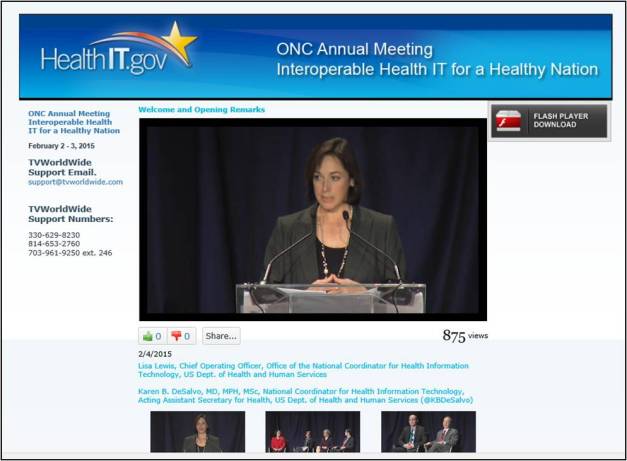
ONC Annual Meeting 2 – 3 February 2015 – Webcast

Posted by timmreardon on 02/26/2015
Posted in: Uncategorized. Leave a comment

ONC Annual Meeting 15

http://events.tvworldwide.com/Events/ONCAnnualMeeting.aspx

Vet advocacy group: Fix VA health now – Military Times

Posted by timmreardon on 02/26/2015
Posted in: Health Outcomes, Healthcare Delivery, Integrated Electronic Health Records, Military Health System Reform, National Health IT System, Veterans Affairs. Leave a comment

Fix VA

By Patricia Kime, Staff writer 3:57 p.m. EST February 26, 2015

A veterans advocacy group says a complete overhaul of the Veterans Affairs health system — to include partially privatizing services — is needed to improve care for current veterans and ensure the system’s future viability.

A report issued by a task force formed by Concerned Veterans For America calls for revamping VA medical facilities under a non-profit government organization and proposes changes that would shift more veterans into private health insurance programs.

The recommendations in “Fixing Veterans Health Care” would “advance long-term reforms of the current system, while addressing the immediate needs of veterans,” said the authors, including Tennessee Republican and former Senate Majority Leader Dr. Bill Frist and former Rep. Jim Marshall, a Vietnam veteran and Georgia Democrat.

MILITARYTIMES

VA health summit draws lawmakers’ attention

 According to the task force, the current VA system is broken and unsustainable.

“If proactive and fundamental reforms are not made soon, demographic realities will force further drastic and reactionary changes,” the authors wrote.

Details of the 100-page report were addressed during a five-hour conference on VA health care hosted by CVA in Washington, D.C., on Thursday.

The recommendations included:

*Splitting the Veterans Health Administration into two entities, a hospital system responsible for medical centers and clinics and a health insurance oversight office.

*Closing underutilized health facilities and streamlining services.

*Providing health care at VA medical facilities for veterans with service-connected medical conditions who want to stay in the system; and offering private health coverage to veterans who can’t get to a VA health facility or want to see a private physician.

Under the plan, veterans who have severe disabilities or fall in higher priority groups would get more money to pay for premium health care coverage; lower priority groups would have access to private care but would be required to pay more in cost-shares.

Although Congress passed the Veterans Access Choice and Accountability Act last year that gave VA $15 billion to hire new physicians and let veterans seek private care, CVA officials say the law doesn’t’ go far enough to fix VA’s chronic problems.

“The veterans’ health system is still broken. The VA Choice program does not allow for true choice because VA still determines who can access the program … and in the future, VA is going to see massive underutilization. We need to solve these problems,” said Daniel Caldwell, CVA’s legislative and political director.

“Veterans can go out and get health care when they want it … that’s what we were trying to do with the Choice card. But VA has erected obstacles which … are clearly in violation with the intent of the law,” Sen. John McCain, R-Ariz., said at the summit.

MILITARYTIMES

Opinion: Helping VA do better

 The VA medical system became embroiled in a scandal last year over patient appointment wait times and VA administrators gaming the system to appear to be meeting access standards.

In some cases, veterans waited months for care and some died while on waiting lists.

The troubles brought about passage of the Veterans Access Choice and Accountability Act, which Frist, Marshall and others called a good “first step” but a “temporary one whose funding is expected to run out in a few years.”

“In the end, VACAA has kept the VA bureaucracy in control, and offers few real choices to veterans. This task force seeks to flip that equation. Our proposal puts veterans in control of their health care,” they wrote.

The report’s release quickly drew comments and criticism from those skeptical of its findings and recommendations.

VA Secretary Bob McDonald said taking care of veterans at VA is a “sacred mission,” and added that while outside care should supplement care provided by VA doctors, it should not replace it.

“Reforming VA health care cannot be achieved by dismantling it and preventing veterans from receiving the specialized care and services that can only be provided by VA,” McDonald said.

Paralyzed Veterans of America said it welcomes discussion on veterans health care reform but cautioned against privatized care because it would remove protections veterans have being treated within the VA system.

“Privatizing health care for veterans will create a cottage industry for ambulance chasers who will be the only available option for veterans with medical malpractices cases,” PVA officials said in a release.

Stewart Hickey, national executive director of AMVETS, addressed the summit, saying “most of what is in the report is good.” But he added that persuading other veterans groups to support the plan would be difficult because they are interested in preserving the status quo.

Lawmakers who spoke at the summit in favor of reform included Reps. Jeff Miller, R-Fla., Jackie Walorski, R-Ind., Tulsi Gabbard, D-Hawaii, andSen. Marco Rubio, R-Fla.

None said they would sponsor a draft version of a bill proposed in the report, the Veterans Independence Act, but agreed that the proposals would start a dialogue about long-term reform of VA health.

Frist and Marshall acknowledged as much in the report. “No plan is perfect. While we believe that our proposal would significantly improve veterans health care, we know the plan would benefit from continued refinement and input from interested parties,” they wrote.

Nearly 9 million veterans are enrolled in VA health care.

According to VA, the department made more than 2 million authorizations for veterans to get care from non-VA providers from May 1, 2014 through Feb. 1, equaling $6.7 billion in care.

The figures represent a 45-percent increase when compared with the same period in previous years.

CVA officials said one of the goals of its recommendations is to steer VA back toward caring primarily for veterans with service-connected conditions.

“Eligibility would be limited to service-connected disabilities and those who are indigent. VA health was never intended to be an entitlement program,” Caldwell said.

Since its creation in 2012, CVA has drawn attention for its outspoken criticism of President Obama and held a summer-long “defend freedom” tour that decried current government policies, with members saying those policies undermine both military and economic security.

In turn, the group has been criticized for receiving most of its financial backing from conservative political groups.

Officials noted that the report has bipartisan authorship and support and urged lawmakers to read it and consider its recommendations.

“[Fixing VA] has to be a bipartisan project … similar to when we passed welfare reform. This is an important report that creates a large structural proposal for how you really put veterans first,” former Speaker of the House Newt Gingrich said.

Staff writer Leo Shane III contributed to this report.

Article link: http://www.militarytimes.com/story/military/benefits/veterans/2015/02/26/cva-veterans-health/24044917/

A New Initiative on Precision Medicine – NEJM Perspective

Posted by timmreardon on 02/26/2015
Posted in: Genetic Data, Genetic Research, Genomic Data, Global Standards, Health Outcomes, Healthcare Delivery, Innovation, Integrated Electronic Health Records, Precision Medicine, Primary Care, Public Health. Leave a comment

perspectives-image-bar1

Francis S. Collins, M.D., Ph.D., and Harold Varmus, M.D.

N Engl J Med 2015; 372:793-795

February 26, 2015

DOI: 10.1056/NEJMp1500523

“Tonight, I’m launching a new Precision Medicine Initiative to bring us closer to curing diseases like cancer and diabetes — and to give all of us access to the personalized information we need to keep ourselves and our families healthier.”

— President Barack Obama, State of the Union Address, January 20, 2015

President Obama has long expressed a strong conviction that science offers great potential for improving health. Now, the President has announced a research initiative that aims to accelerate progress toward a new era of precision medicine (www.whitehouse.gov/precisionmedicine). We believe that the time is right for this visionary initiative, and the National Institutes of Health (NIH) and other partners will work to achieve this vision.

The concept of precision medicine — prevention and treatment strategies that take individual variability into account — is not new1; blood typing, for instance, has been used to guide blood transfusions for more than a century. But the prospect of applying this concept broadly has been dramatically improved by the recent development of large-scale biologic databases (such as the human genome sequence), powerful methods for characterizing patients (such as proteomics, metabolomics, genomics, diverse cellular assays, and even mobile health technology), and computational tools for analyzing large sets of data. What is needed now is a broad research program to encourage creative approaches to precision medicine, test them rigorously, and ultimately use them to build the evidence base needed to guide clinical practice.

The proposed initiative has two main components: a near-term focus on cancers and a longer-term aim to generate knowledge applicable to the whole range of health and disease. Both components are now within our reach because of advances in basic research, including molecular biology, genomics, and bioinformatics. Furthermore, the initiative taps into converging trends of increased connectivity, through social media and mobile devices, and Americans’ growing desire to be active partners in medical research.

Oncology is the clear choice for enhancing the near-term impact of precision medicine. Cancers are common diseases; in the aggregate, they are among the leading causes of death nationally and worldwide, and their incidence is increasing as the population ages. They are also especially feared, because of their lethality, their symptoms, and the often toxic or disfiguring therapies used to treat them. Research has already revealed many of the molecular lesions that drive cancers, showing that each cancer has its own genomic signature, with some tumor-specific features and some features common to multiple types. Although cancers are largely a consequence of accumulating genomic damage during life, inherited genetic variations contribute to cancer risk, sometimes profoundly. This new understanding of oncogenic mechanisms has begun to influence risk assessment, diagnostic categories, and therapeutic strategies, with increasing use of drugs and antibodies designed to counter the influence of specific molecular drivers. Many targeted therapies have been (and are being) developed, and several have been shown to confer benefits, some of them spectacular.2 In addition, novel immunologic approaches have recently produced some profound responses, with signs that molecular signatures may be strong predictors of benefit.3

These features make efforts to improve the ways we anticipate, prevent, diagnose, and treat cancers both urgent and promising. Realizing that promise, however, will require the many different efforts reflected in the President’s initiative. To achieve a deeper understanding of cancers and discover additional tools for molecular diagnosis, we will need to analyze many more cancer genomes. To hasten the adoption of new therapies, we will need more clinical trials with novel designs4 conducted in adult and pediatric patients and more reliable models for preclinical testing. We will also need to build a “cancer knowledge network” to store the resulting molecular and medical data in digital form and to deliver them, in comprehensible ways, to scientists, health care workers, and patients.

The cancer-focused component of this initiative will be designed to address some of the obstacles that have already been encountered in “precision oncology”: unexplained drug resistance, genomic heterogeneity of tumors, insufficient means for monitoring responses and tumor recurrence, and limited knowledge about the use of drug combinations.

Precision medicine’s more individualized, molecular approach to cancer will enrich and modify, but not replace, the successful staples of oncology — prevention, diagnostics, some screening methods, and effective treatments — while providing a strong framework for accelerating the adoption of precision medicine in other spheres. The most obvious of those spheres are inherited genetic disorders and infectious diseases, but there is promise for many other diseases and environmental responses.

The initiative’s second component entails pursuing research advances that will enable better assessment of disease risk, understanding of disease mechanisms, and prediction of optimal therapy for many more diseases, with the goal of expanding the benefits of precision medicine into myriad aspects of health and health care.

The initiative will encourage and support the next generation of scientists to develop creative new approaches for detecting, measuring, and analyzing a wide range of biomedical information — including molecular, genomic, cellular, clinical, behavioral, physiological, and environmental parameters. Many possibilities for future applications spring to mind: today’s blood counts might be replaced by a census of hundreds of distinct types of immune cells; data from mobile devices might provide real-time monitoring of glucose, blood pressure, and cardiac rhythm; genotyping might reveal particular genetic variants that confer protection against specific diseases; fecal sampling might identify patterns of gut microbes that contribute to obesity; or blood tests might detect circulating tumor cells or tumor DNA that permit early detection of cancer or its recurrence.

Such innovations will first need to be tested in pilot studies. We will initially want to take advantage of the rare settings where it is already possible to collect rich information through clinical trials, electronic medical records, and other means.

Ultimately, we will need to evaluate the most promising approaches in much larger numbers of people over longer periods. Toward this end, we envisage assembling over time a longitudinal “cohort” of 1 million or more Americans who have volunteered to participate in research. Participants will be asked to give consent for extensive characterization of biologic specimens (cell populations, proteins, metabolites, RNA, and DNA — including whole-genome sequencing, when costs permit) and behavioral data, all linked to their electronic health records. Qualified researchers from many organizations will, with appropriate protection of patient confidentiality, have access to the cohort’s data, so that the world’s brightest scientific and clinical minds can contribute insights and analysis. These data will also enable observational studies of drugs and devices and potentially prompt more rigorous interventional studies that address specific questions.

Such a varied array of research activities will propel our understanding of diseases — their origins and mechanisms, and opportunities for prevention and treatment — laying a firm, broad foundation for precision medicine. It will also pioneer new models for doing science that emphasize engaged participants and open, responsible data sharing. Moreover, the participants themselves will be able to access their health information and information about research that uses their data.

The research cohort will be assembled in part from some existing cohort studies (many funded by the NIH) that have already collected or are well positioned to collect data from participants willing to be involved in the new initiative. Creating this resource will require extensive planning to achieve the appropriate balance of participants, develop new approaches to participation and consent, and forge strong partnerships among existing cohorts, patient groups, and the private sector. It will also be crucial to carefully examine the successes and shortfalls of other longitudinal cohort studies.

Achieving the goals of precision medicine will also require advancing the nation’s regulatory frameworks. To unleash the power of people to participate in research in innovative ways, the NIH is working with the Department of Health and Human Services to bring the Common Rule, a decades-old rule originally designed to protect research participants,5 more in line with participants’ desire to be active partners in modern science. To help speed the translation of such discoveries, the Food and Drug Administration is working with the scientific community to make sure its oversight of genomic technology supports innovation, while ensuring that the public can be confident that the technology is safe and effective.

Although the precision medicine initiative will probably yield its greatest benefits years down the road, there should be some notable near-term successes. In addition to the results of the cancer studies described above, studies of a large research cohort exposed to many kinds of therapies may provide early insights into pharmacogenomics — enabling the provision of the right drug at the right dose to the right patient. Opportunities to identify persons with rare loss-of-function mutations that protect against common diseases may point to attractive drug targets for broad patient populations. And observations of beneficial use of mobile health technologies may improve strategies for preventing and managing chronic diseases.

Ambitious projects like this one cannot be planned entirely in advance; they should evolve in response to scientific and medical findings. Much of the necessary methodology remains to be invented and will require the creative and energetic involvement of biologists, physicians, technology developers, data scientists, patient groups, and others. The efforts should ideally extend beyond our borders, through collaborations with related projects around the world. Worldwide interest in the initiative’s goals should motivate and attract visionary scientists from many disciplines.

This initiative will also require new resources; these should not compete with support of existing programs, especially in a difficult fiscal climate. With sufficient resources and a strong, sustained commitment of time, energy, and ingenuity from the scientific, medical, and patient communities, the full potential of precision medicine can ultimately be realized to give everyone the best chance at good health.

Article link: http://www.nejm.org/doi/full/10.1056/NEJMp1500523

Audio Interview

Interview with Dr. Francis Collins on what to expect from the recently announced Precision Medicine Initiative.

Interview with Dr. Francis Collins on what to expect from the recently announced Precision Medicine Initiative. (10:07)

  • Listen
  • Download

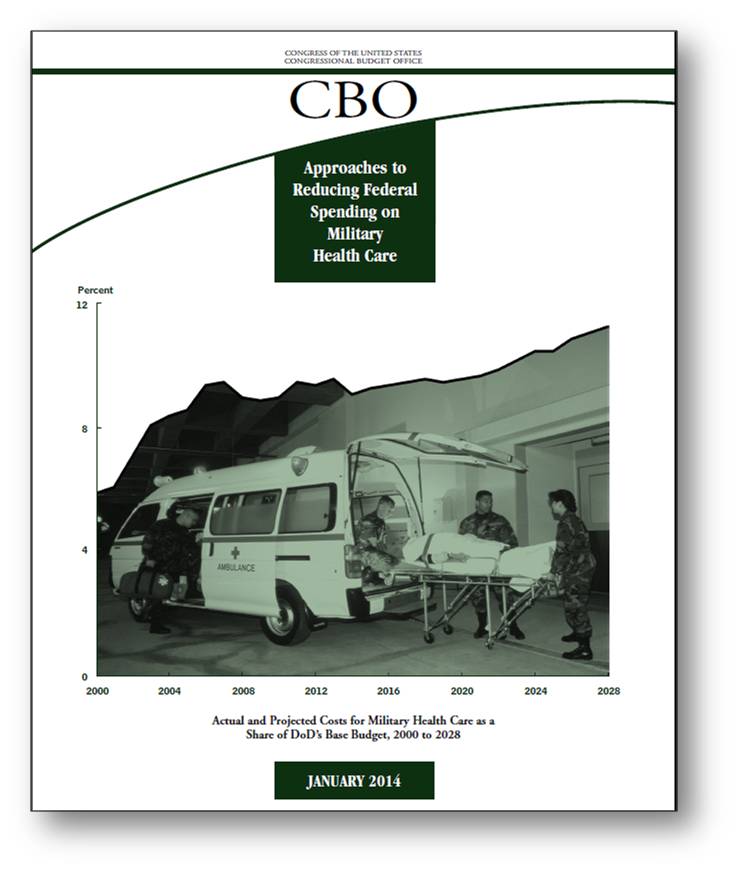
Approaches to Reducing Federal Spending on Military Health Care – CBO

Posted by timmreardon on 02/23/2015
Posted in: Health Care Costs, Health Care Economics, Health IT adoption, Health Outcomes, Healthcare Delivery, Innovation, Military Health System Reform, National Health IT System, Quadruple Aim, U.S. Air Force Medicine, U.S. Army Medicine, U.S. Navy Medicine, Veterans Affairs. Leave a comment

CBO MHS Spending Reduction

CBO link: http://www.cbo.gov/sites/default/files/44993-MilitaryHealthcare.pdf

Report link: https://healthcarereimagined.net/wp-content/uploads/2015/02/44993-militaryhealthcare.pdf


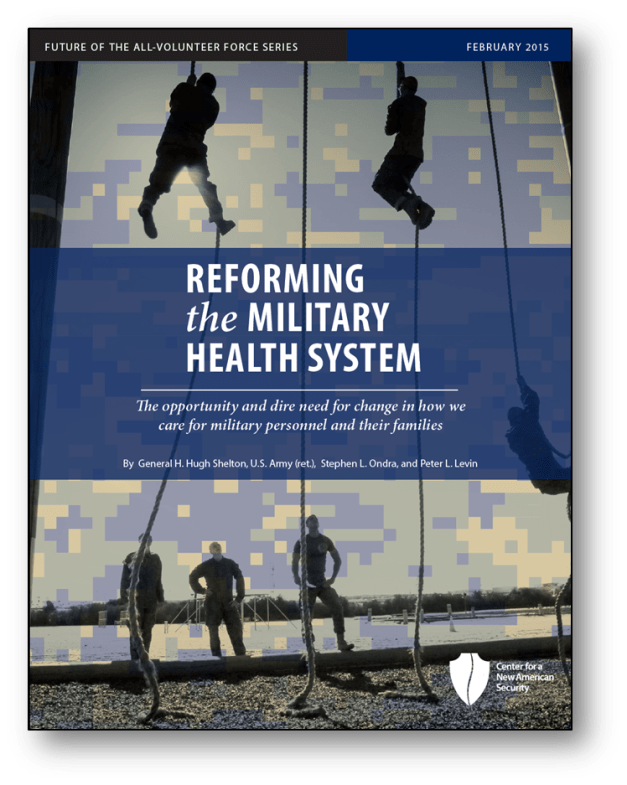
Reforming the Military Health System – CNAS

Posted by timmreardon on 02/23/2015
Posted in: Data Science, EHR Interoperability, Global Standards, Health Care Costs, Health Care Economics, Health IT adoption, Health Outcomes, Healthcare Delivery, Healthcare Informatics, Innovation, Integrated Electronic Health Records, Military Health System Reform, Mobile Healthcare, National Health IT System, Patient Centered Medical Home, Patient Portals, Primary Care, Quadruple Aim, Quality Measures, U.S. Air Force Medicine, U.S. Army Medicine, U.S. Navy Medicine, Veterans Affairs. Leave a comment

CNAS Military Health Reform

Article link: http://www.cnas.org/reforming-the-military-health-system#.VOs6o8k5C03

Report link: https://healthcarereimagined.net/wp-content/uploads/2015/02/reforming-dod-healthcare_021015.pdf

How the DOD’s choice of EHR will impact providers

Posted by timmreardon on 02/23/2015
Posted in: Data Science, EHR Interoperability, Genetic Data, Genetic Research, Genomic Data, Global Standards, Health Care Costs, Health Care Economics, Health IT adoption, Health Outcomes, Healthcare Delivery, Healthcare Informatics, Healthcare Security, Innovation, Integrated Electronic Health Records, Military Health System Reform, Mobile Healthcare, National Health IT System, Open Data, Patient Portals, Primary Care, Public Health, Quadruple Aim, Quality Measures, U.S. Air Force Medicine, U.S. Army Medicine, U.S. Navy Medicine, Uncategorized, Veterans Affairs. Leave a comment

By Heather Caspi | February 19, 2015DOD EHR Choice

What’s in an EHR? As the Department of Defense prepares to select a new electronic health record system, some are advocating that it go with an open-source solution—not just to benefit of the DOD but to use the $11-billion program to benefit the healthcare industry at large.

Why it matters to the DOD

Most commercial EHR systems are developed around FFS, which is not particularly relevant to the DOD.

In a new report released by the Center for New American Security titled “Reforming the Military Health System,” the authors argue that the selection of a closed, proprietary system would trap the DOD into vendor lock, health data isolation and a long-term contract with technology that will age rather than evolve.

Co-author Stephen L. Ondra, a former senior advisor for health information in the White House Office of Science and Technology Policy, tells Healthcare Dive that an open-source solution could more easily adapt to meet future modernization and interoperability needs, and could more creatively be tailored to the DOD’s requirements.

Ondra says most commercial EHR systems are developed around the fee-for-service revenue cycle, a model that is not particularly relevant to the DOD and its healthcare system. He says an EHR for the DOD should be focused on the clinical care management aspect of these programs, which would require lengthy and expensive modification.

He argues that a proprietary system would be inadequate as it would leave the DOD with a single vendor’s solutions. “You don’t have some of the creativity and innovation that an open source system would have because you’re limited to a single vendor’s view and skills,” Ondra says.

In addition, he notes, proprietary systems have less incentive to provide interoperability solutions because their business model aims to lock people into using that particular system.

“I think the commercial systems are very good at what they do,” Ondra said. However, “they are not ideally designed for efficiency and enhancement of care delivery, and I think the DOD can do better with an open source system both in the near-term, and more importantly in the long-term, because of the type of innovation and creativity that can more quickly come into these systems.”

Why it matters to everyone

“If the DOD goes with a closed, proprietary system, it could stifle innovation in the industry.”

Whoever gets that $11-billion award is going to have a lot of money to develop EHR technology—and whether they are serving an open or closed solution will determine whether the innovations remain stovepiped from the rest of the industry, notes report author Peter L. Levin, a former chief technology officer at the Department of Veterans Affairs.

“If the DOD were to choose to go with a closed, proprietary system, it has the potential of stifling innovation in the rest of the industry,” Levin says. “If they go with an openly-architected, standard space and modular system, then really in a very simple way, they are spreading the innovation resources around.”

“Instead of concentrating it all in one place and letting that vendor own all of the innovation, they’ll be able to nourish and support the various components that comprise these complicated enterprise resource platforms in a way that will not only be beneficial to the DOD and the country in the long run, but will tremendously benefit the country and other kinds of innovations now,” Levin said.

Imagine if consumers could only talk to people with same phone carrier.

Levin adds that the same arguments for the DOD to select an open-source EHR system apply to private healthcare systems as well. He asks consumers to imagine if they could only talk to people with same phone carrier, or only go to gas stations for their particular make of car.

He argues that private hospitals and private payers have been unwittingly supporting the continued isolation and segmentation of the commercial solutions.

“Healthcare suffers tremendously in terms of cost and outcome because of these isolated systems,” he says, “and that’s just as true for the private sector as it is for the public sector.”

Ondra adds that the DOD’s choice will set an example from which both open and closed source providers could learn.

“I think that a major government contract would send the message that the current systems, as good as they are, are not fully meeting the needs of clinical care in a way that is efficient for the provider,” he says.

“Going to an open source for the DOD gives the opportunity to have rapid development of things that are more helpful to care delivery, more efficient for the provider, because the customer then is the deliverer of care, and not the finance department of a care delivery system,” Ondra said.

Article link: http://www.healthcaredive.com/news/how-the-dods-choice-of-ehr-will-impact-providers/366180/

Posts navigation

← Older Entries
Newer Entries →
  • Search site

  • Follow healthcarereimagined on WordPress.com
  • Recent Posts

    • The Global Healthcare System Is Broken. Japan Fixed It for $4,100 Per Person. 04/10/2026
    • When Not to Use AI – MIT Sloan 04/01/2026
    • There are more AI health tools than ever—but how well do they work? – MIT Technology Review 03/30/2026
    • Are AI Tools Ready to Answer Patients’ Questions About Their Medical Care? – JAMA 03/27/2026
    • How AI use in scholarly publishing threatens research integrity, lessens trust, and invites misinformation – Bulletin of the Atomic Scientists 03/25/2026
    • VA Prepares April Relaunch of EHR Program – GovCIO 03/19/2026
    • Strong call for universal healthcare from Pope Leo today – FAN 03/18/2026
    • EHR fragmentation offers an opportunity to enhance care coordination and experience 03/16/2026
    • When AI Governance Fails 03/15/2026
    • Introduction: Disinformation as a multiplier of existential threat – Bulletin of the Atomic Scientists 03/12/2026
  • Categories

    • Accountable Care Organizations
    • ACOs
    • AHRQ
    • American Board of Internal Medicine
    • Big Data
    • Blue Button
    • Board Certification
    • Cancer Treatment
    • Data Science
    • Digital Services Playbook
    • DoD
    • EHR Interoperability
    • EHR Usability
    • Emergency Medicine
    • FDA
    • FDASIA
    • GAO Reports
    • Genetic Data
    • Genetic Research
    • Genomic Data
    • Global Standards
    • Health Care Costs
    • Health Care Economics
    • Health IT adoption
    • Health Outcomes
    • Healthcare Delivery
    • Healthcare Informatics
    • Healthcare Outcomes
    • Healthcare Security
    • Helathcare Delivery
    • HHS
    • HIPAA
    • ICD-10
    • Innovation
    • Integrated Electronic Health Records
    • IT Acquisition
    • JASONS
    • Lab Report Access
    • Military Health System Reform
    • Mobile Health
    • Mobile Healthcare
    • National Health IT System
    • NSF
    • ONC Reports to Congress
    • Oncology
    • Open Data
    • Patient Centered Medical Home
    • Patient Portals
    • PCMH
    • Precision Medicine
    • Primary Care
    • Public Health
    • Quadruple Aim
    • Quality Measures
    • Rehab Medicine
    • TechFAR Handbook
    • Triple Aim
    • U.S. Air Force Medicine
    • U.S. Army
    • U.S. Army Medicine
    • U.S. Navy Medicine
    • U.S. Surgeon General
    • Uncategorized
    • Value-based Care
    • Veterans Affairs
    • Warrior Transistion Units
    • XPRIZE
  • Archives

    • April 2026 (2)
    • March 2026 (9)
    • February 2026 (6)
    • January 2026 (8)
    • December 2025 (11)
    • November 2025 (9)
    • October 2025 (10)
    • September 2025 (4)
    • August 2025 (7)
    • July 2025 (2)
    • June 2025 (9)
    • May 2025 (4)
    • April 2025 (11)
    • March 2025 (11)
    • February 2025 (10)
    • January 2025 (12)
    • December 2024 (12)
    • November 2024 (7)
    • October 2024 (5)
    • September 2024 (9)
    • August 2024 (10)
    • July 2024 (13)
    • June 2024 (18)
    • May 2024 (10)
    • April 2024 (19)
    • March 2024 (35)
    • February 2024 (23)
    • January 2024 (16)
    • December 2023 (22)
    • November 2023 (38)
    • October 2023 (24)
    • September 2023 (24)
    • August 2023 (34)
    • July 2023 (33)
    • June 2023 (30)
    • May 2023 (35)
    • April 2023 (30)
    • March 2023 (30)
    • February 2023 (15)
    • January 2023 (17)
    • December 2022 (10)
    • November 2022 (7)
    • October 2022 (22)
    • September 2022 (16)
    • August 2022 (33)
    • July 2022 (28)
    • June 2022 (42)
    • May 2022 (53)
    • April 2022 (35)
    • March 2022 (37)
    • February 2022 (21)
    • January 2022 (28)
    • December 2021 (23)
    • November 2021 (12)
    • October 2021 (10)
    • September 2021 (4)
    • August 2021 (4)
    • July 2021 (4)
    • May 2021 (3)
    • April 2021 (1)
    • March 2021 (2)
    • February 2021 (1)
    • January 2021 (4)
    • December 2020 (7)
    • November 2020 (2)
    • October 2020 (4)
    • September 2020 (7)
    • August 2020 (11)
    • July 2020 (3)
    • June 2020 (5)
    • April 2020 (3)
    • March 2020 (1)
    • February 2020 (1)
    • January 2020 (2)
    • December 2019 (2)
    • November 2019 (1)
    • September 2019 (4)
    • August 2019 (3)
    • July 2019 (5)
    • June 2019 (10)
    • May 2019 (8)
    • April 2019 (6)
    • March 2019 (7)
    • February 2019 (17)
    • January 2019 (14)
    • December 2018 (10)
    • November 2018 (20)
    • October 2018 (14)
    • September 2018 (27)
    • August 2018 (19)
    • July 2018 (16)
    • June 2018 (18)
    • May 2018 (28)
    • April 2018 (3)
    • March 2018 (11)
    • February 2018 (5)
    • January 2018 (10)
    • December 2017 (20)
    • November 2017 (30)
    • October 2017 (33)
    • September 2017 (11)
    • August 2017 (13)
    • July 2017 (9)
    • June 2017 (8)
    • May 2017 (9)
    • April 2017 (4)
    • March 2017 (12)
    • December 2016 (3)
    • September 2016 (4)
    • August 2016 (1)
    • July 2016 (7)
    • June 2016 (7)
    • April 2016 (4)
    • March 2016 (7)
    • February 2016 (1)
    • January 2016 (3)
    • November 2015 (3)
    • October 2015 (2)
    • September 2015 (9)
    • August 2015 (6)
    • June 2015 (5)
    • May 2015 (6)
    • April 2015 (3)
    • March 2015 (16)
    • February 2015 (10)
    • January 2015 (16)
    • December 2014 (9)
    • November 2014 (7)
    • October 2014 (21)
    • September 2014 (8)
    • August 2014 (9)
    • July 2014 (7)
    • June 2014 (5)
    • May 2014 (8)
    • April 2014 (19)
    • March 2014 (8)
    • February 2014 (9)
    • January 2014 (31)
    • December 2013 (23)
    • November 2013 (48)
    • October 2013 (25)
  • Tags

    Business Defense Department Department of Veterans Affairs EHealth EHR Electronic health record Food and Drug Administration Health Health informatics Health Information Exchange Health information technology Health system HIE Hospital IBM Mayo Clinic Medicare Medicine Military Health System Patient Patient portal Patient Protection and Affordable Care Act United States United States Department of Defense United States Department of Veterans Affairs
  • Upcoming Events

Blog at WordPress.com.
healthcarereimagined
Blog at WordPress.com.
  • Subscribe Subscribed
    • healthcarereimagined
    • Join 153 other subscribers
    • Already have a WordPress.com account? Log in now.
    • healthcarereimagined
    • Subscribe Subscribed
    • Sign up
    • Log in
    • Report this content
    • View site in Reader
    • Manage subscriptions
    • Collapse this bar
 

Loading Comments...