healthcarereimagined

Envisioning healthcare for the 21st century

  • About
  • Economics

Innovation in a crisis: Why it is more critical than ever – McKinsey & Company

Posted by timmreardon on 06/22/2020
Posted in: Uncategorized. Leave a comment
McKinIn1
McKinIn2
By Jordan Bar Am, Laura Furstenthal, Felicitas Jorge, and Erik Roth
Open interactive popup
John F. Kennedy once observed that the word “crisis” in Chinese is composed of two characters—one representing danger, the other opportunity. He may not have been entirely correct on the linguistics, but the sentiment is true enough: a crisis presents a choice. This is particularly true today.

The COVID-19 pandemic has upended nearly every aspect of life, from the personal (how people live and work) to the professional (how companies interact with their customers, how customers choose and purchase products and services, how supply chains deliver them). In our recent survey of more than 200 organizations across industries, more than 90 percent of executives said they expect the fallout from COVID-19 to fundamentally change the way they do business over the next five years, with almost as many asserting that the crisis will have a lasting impact on their customers’ needs (Exhibit 1).

McKinIn3

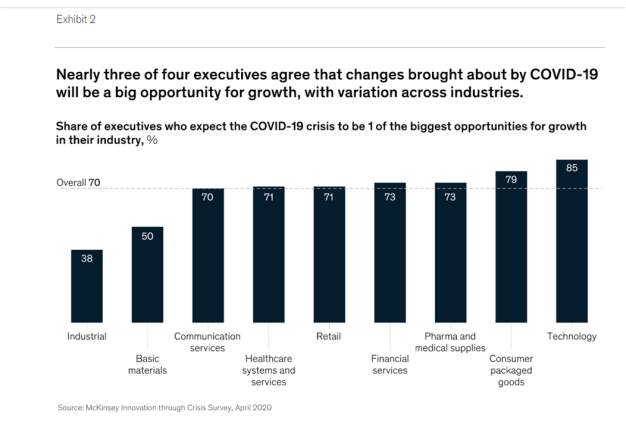
However, more than three-quarters also agreed that the crisis will create significant new opportunities for growth, although this varies significantly by industry (Exhibit 2).
McKinIn4
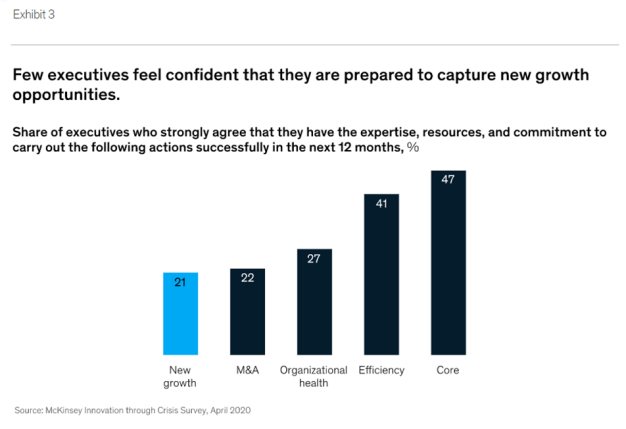
Of course, seeing the opportunities emerging from this crisis is not the same as being able to seize them. Fewer than 30 percent of these same executives feel confident that they are prepared to address the changes they see coming. The area in which they feel the most challenged is delivering net new growth opportunities (Exhibit 3).
McKinIn5
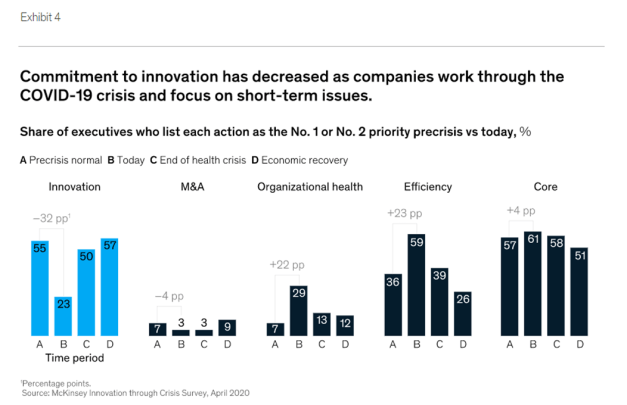
How are executives responding? As might be expected, they are largely focusing on maintaining business continuity, especially in their core. Executives must weigh cutting costs, driving productivity, and implementing safety measures against supporting innovation-led growth. Unsurprisingly, investments in innovation are suffering. The executives in our survey strongly believe that they will return to innovation-related initiatives once the world has stabilized, the core business is secure, and the path forward is clearer. However, only a quarter reported that capturing new growth was a top priority (first- or second-order) today, compared to roughly 60 percent before the crisis hit (Exhibit 4).
McKinIn6
This decline in focus on innovation is evident across every industry we surveyed; the sole exception is pharmaceuticals and medical products, where we see an almost 30-percent increase in the immediate focus on innovation (Exhibit 5).
McKinIn7

The case for innovation

Our survey and subsequent interviews with business leaders tell us that many companies are deprioritizing innovation to concentrate on four things: shoring up their core business, pursuing known opportunity spaces, conserving cash and minimizing risk, and waiting until “there is more clarity.” However, we believe that, particularly in times of crisis more urgent actions to take include:

  • adapting the core to meet shifting customer needs
  • identifying and quickly addressing new opportunity areas being created by the changing landscape
  • reevaluating the innovation initiative portfolio and ensuring resources are allocated appropriately
  • building the foundation for postcrisis growth in order to remain competitive in the recovery period

Many businesses simply cannot operate as they have in the past. What made a company successful historically may no longer be possible during or after the crisis. Customers may struggle to pay. Channels may have radically shifted to accommodate new needs or work around new constraints. A stable regulatory context may have changed, potentially creating opportunities that never existed before. The assumptions that supported years of stable, predictable growth may no longer be valid.

Competitive advantages shift dynamically as business models adapt to new market realities, and the core capabilities that made an organization distinctive may suddenly be less differentiating. While the rise of digital has been mounting similar pressures for more than a decade, the current crisis has significantly exacerbated and accelerated its disruptive force. Sudden pivots observed during the COVID-19 pandemic include:

  • Changes to sales models. Firms with significant field forces can no longer rely on in-person coverage to outcompete. According to McKinsey’s B2B Decision-Maker Pulse survey, 96 percent of businesses have changed their go-to-market model since the pandemic hit, with the overwhelming majority turning to multiple forms of digital engagement with customers. Sales coverage has been completely redefined as companies discover that virtual technology allows them to do things that were nearly impossible previously, such as assembling the “perfect team” of experts for every sales pitch. In this digital sales sphere, smaller firms can often “match up” to even their biggest competitors.
  • Need for new offerings. Food distributors that traditionally supplied restaurants are setting up digital direct-to-consumer channels as the crisis decimated their core restaurant sales. Similarly, the entertainment industry is generating new content (for example, sports retrospectives) to fill the void in programming created by the suspension in sports leagues. Even museums are creating and streaming digital content to enable people to enjoy their offerings from the comfort and safety of home (for instance, Getty’s “life Imitating art” challenge).
  • Rapid changes in customer behavior. For years, videoconferencing providers enjoyed steady growth by focusing on corporate customers. This market typically required expensive deployments, often involving the physical installation of specialized equipment and training to ensure high-quality connections. Now Zoom, with its simple setup and almost viral connectivity, has become the “Kleenex” of the videoconference world. Practically overnight, the world has grown accustomed to “zooming” for myriad purposes, including the arts, religion, fitness, and social connections with colleagues, friends, and family.
  • Influx of competitors from different industries. Medical-device firms that historically had a narrow competitive set and were insulated by a complex and highly technical regulatory approval process are facing competition from previously unimagined new entrants such as home appliance manufacturers and automakers, as regulations are relaxed to meet critical needs. Who could have predicted the rapid approval and success of GM and Dyson as ventilator manufacturers?

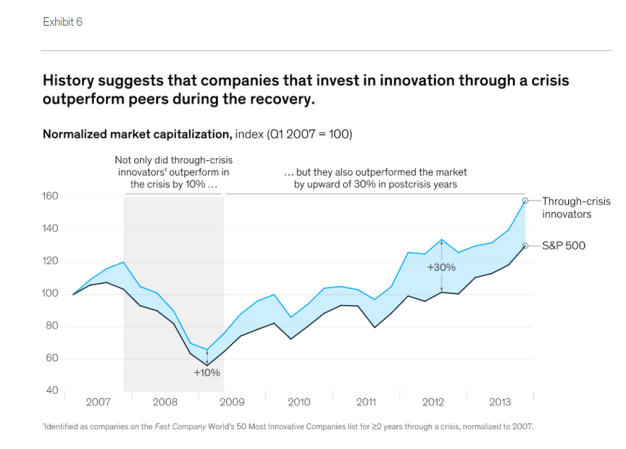
Businesses can gain long-term advantages by understanding such shifts and the opportunities they present. In past crises, companies that invested in innovation delivered superior growth and performance postcrisis. Organizations that maintained their innovation focus through the 2009 financial crisis, for example, emerged stronger, outperforming the market average by more than 30 percent and continuing to deliver accelerated growth over the subsequent three to five years (Exhibit 6).
McKinIn8

Crises, especially the one we are experiencing now, have a significant financial and human toll, stranding assets and human capital and causing significant social and economic dislocation. However, many of these dynamics are ingredients for disruption from which new business models emerge. For example, the sharing economy rose out of the 2009 financial crisis as technology enabled the creation of marketplaces for underutilized assets just as people were seeking much-needed new sources of income, catching incumbents unprepared. The SARS epidemic that ravaged Asia in 2002 and led its citizens to shelter in place was the impetus for growth and widespread adoption of e-commerce in that region, making China the epicenter of innovation around social commerce. The more recent focus on the climate change crisis has driven significant growth in solar equipment and electric cars, as well as innovation around more “earth-friendly” foods such plant-based meat substitutes.

How should companies that believe in the innovation imperative pivot to pursue it today? What follows are our recommendations for ways to approach the recovery from this crisis that can significantly increase the value captured from innovation-led growth.

The recipe for emerging as an innovation leader

MOST POPULAR INSIGHTS

  1. COVID-19: Implications for business
  2. Reimagining the office and work life after COVID-19
  3. The toughest leadership test
  4. Coronavirus: 15 emerging themes for boards and executive teams
  5. From thinking about the next normal to making it work: What to stop, start, and accelerate

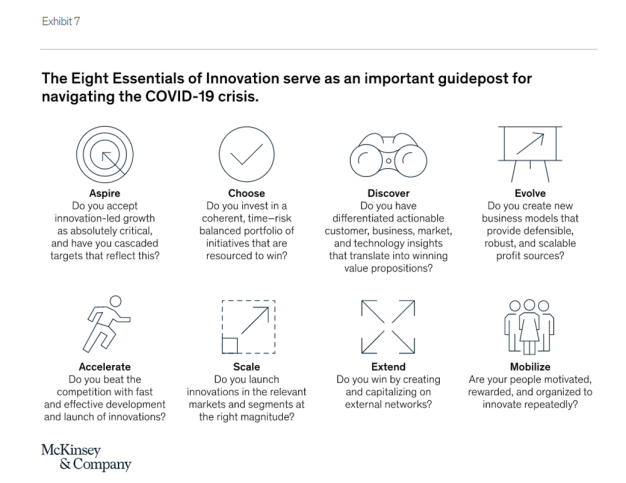
In earlier research, we introduced the Eight Essentials of Innovation—the critical practices that have the greatest impact on innovation success. We subsequently showed that mastering the Eight Essentials leads to significantly higher performance, with organizations that excel at most of these practices delivering 2.4 times higher economic profit. Mastering these innovation essentials is even more important now, as companies prepare to return to growth coming out of the crisis. The immediate challenge is motivating teams to bring intense focus, speed, and agility to delivering new sources of value. Crises are like adrenaline for innovation, causing barriers that once took years to overcome to evaporate in a matter of days. Entrenched orthodoxies on “the way things are done” are replaced with “the new way we do things” almost overnight.

To emerge as leaders from this crisis, companies can rely on the Eight Essentials of Innovation as a formula and a road map for success. While all of the Eight Essentials matter, our earlier research has shown that in times of broad economic stability, two of them—Aspire and Choose—are most important for generating immediate outsized impact. In times of crisis, however, we observe that other essentials take on greater significance, suggesting a different order of action (Exhibit 7). We recommend prioritizing Discover, Evolve, and Choose; these three will guide an organization in reorienting its focus, as needed. Then leaders can address Aspire to reset their guiding “North Star,” Accelerate and Scale to invest at the right levels and speed given potential changes in end markets, Extend to develop new types of ecosystems, and finally Mobilize to put in place the appropriate talent and incentives to activate the innovation plans.
McKinIn9

Discover. The market context during a crisis is dynamic, with little certainty about what will define the world when things stabilize. Having a powerful approach to analyzing this type of landscape requires the ability to Discover. It is critical for companies to overinvest in rediscovering what matters to customers now and understanding the impact those changing needs will have on their business. As Henry Ford once remarked, “If I had asked people what they wanted, they would have said ‘faster horses.’”

Crises tend to reshape spending patterns, which in turn change how attractive an end market may be. For example, many consumer-facing companies must now contend with the likelihood that brick-and-mortar retail may never return to its glory days, as many stores become mini-distribution hubs for e-commerce. Whereas the commercial real estate market used to place a premium on the highest floors of office buildings, concerns about confined crowds in elevators and high-density work spaces may now flip these valuations on their heads.

Collecting and synthesizing market insights should not be a siloed task left to a dedicated function or agency. Entire organizations, from sales and customer service to marketing and operations, can be activated to monitor change and interpret its impact. Every customer touchpoint is a new opportunity to learn. Having the ability to rapidly synthesize the many signals coming into an organization, recognize new patterns of customer behavior, and take action quickly can give companies a head start in the innovation race.

Organizing this information so that it can be rapidly converted into to new products, services, customer experiences, and business models is critical. First, it means having a way to clearly define and prioritize valuable problems to solve for customers. To identify a valuable problem, companies need to determine a clear “who” (a specific customer description), develop a fact-based understanding of the burning challenge this customer faces, and specify the outcome they hope to achieve by solving it. This strict definition helps to separate fuzzy and unhelpful questions from clear customer needs for which a solution can be precisely assessed.
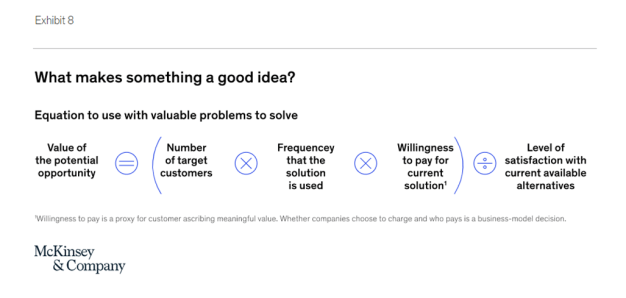
Businesses can further prioritize among various valuable problems to solve using an equation that factors in the size of the potential market, the value that customers place on a solution, and the relative satisfaction of alternatives to the proposed solution (Exhibit 8). Once businesses have identified the most valuable and relevant problems to solve, they can use concept-generation approaches to arrive at hundreds of ideas within a day (see sidebar, “Concept-generation tools.”). Leaders can then leverage rapid formats such as pitch panels to further prioritize and refine the concepts. As American chemist Linus Pauling advised, “The way to get to good ideas is to get lots of ideas and throw the bad ones away.”
McKinIn10

Evolve. Today, countless companies are seeing dramatic shifts in their profit pools and the economics that support their operations. Crises like the one we are living through today are watershed moments for companies to Evolve. Successfully managing a business model shift first requires determining which aspects of the model have been impaired and are unlikely to return. If a company derived an advantage from a field sales force that can no longer call on customers or brick-and-mortar storefronts that now have reduced foot traffic, for example, it will need to pivot to develop a digital approach. While some of these challenges may ease as lockdowns are lifted, other market dynamics and ways of working may be permanently altered. As recent research shows, Chinese consumers’ offline consumption dropped almost 70 percent with shelter in place restrictions and only half of that volume returned after the lockdown was lifted; likewise, consumer adoption of telemedicine appears to be sticking. That, in turn, will have implications for an organization’s assets, tools, and capabilities.

Experimenting with alternative business models—by asking, for instance, “What if we were acquired by organization X today?”—can be a great way to test what an organization could accomplish by evolving its business model. Removing constraints and questioning previous assumptions about what will generate the most value are powerful ways to conceive new business and economic models.

Choose. So, how does one fund the innovation required to make this kind of pivot? Revisit the innovation pipeline with fresh eyes and reprioritize resourcing. Challenging the core assumptions that support each initiative can determine which initiatives to continue, pivot, or cut. One of the biggest mistakes an organization can make is to let assumptions become assertions. The value, timing, and risk of initiatives will likely change in the “next normal” as market dynamics evolve and customers rethink their needs and associated spending.

Reconstructing the innovation portfolio based on what will drive the most value enables leaders to reallocate resources toward the best “next normal” opportunities and away from opportunities for which previous assumptions no longer apply. As an example, a consumer-packaged-goods company that planned to launch a product line centered around health enthusiasts in gyms may decide to shift resources toward building its direct-to-consumer e-commerce business that had been sidelined previously because of historic beliefs that demand was too small and customer adoption of virtual channels too limited. Today those beliefs may have reversed.

Aspire. Setting a new aspiration should act as a North Star that defines a combination of capabilities and strengths that will persist in the post-pandemic world. To do that, leaders may need to reframe their business and challenge orthodoxies that shaped the previous aspiration. As an example, the work-from-home technology platforms that once saw themselves as compliments to an office-based model could now envision their business as competition for the likes of WeWork and the biggest commercial real estate firms. They could also position themselves to become the platforms of choice for older generations of consumers, now savvier in the use of digital technology, to communicate with family and friends.

Accelerate and Scale. The global pandemic has significantly accelerated the pace at which companies are bringing new ideas to market, including massively expediting some regulatory processes and applying pressure on industry ecosystems to deliver scarce products and services in new ways. In a matter of weeks, some companies pivoted their existing manufacturing to support COVID-19 response: industrial companies are producing ventilators and hygienic masks, luxury brands are making hand sanitizer, and distilleries are producing disinfectant alcohol. Given the accelerated pace at which products and services are launched directly into market, it is critically important to ensure that supply chains and other enablers of scale keep pace to meet demand.

Extend and Mobilize. In some cases, businesses can leverage external partnerships to Extend their organization’s reach and, in so doing, realize a higher return on innovation investment, mitigate risk, and help shape regulatory policies. One of the major early lessons of the COVID-19 crisis is that competitors and firms from completely different industries can suddenly become allies. We have seen this in the more than 15 pharmaceutical companies that agreed to share compound libraries in the search for a coronavirus therapy, and in the public-private partnerships created to help flatten the infection curve and prepare for the reopening of economies.

To enable such extensions, organizations will benefit from instilling an agile culture and working model that help Mobilize innovation. Speed is an important driver of innovation success, as is the ability to persist despite the hardships that a crisis imposes.


The essential practices underpinning distinctive innovation have not changed in this time of crisis, but the relative emphasis and urgency of where businesses should focus has. Whereas in our 2019 article “The innovation commitment” we highlighted Aspire and Choose as disproportionately important during times of stable economic growth, we believe the uncertainty and severity of the current crisis requires leaders, first and foremost, to re-Discover customer needs and Evolve their business models to meet those needs.

Above all, organizations need to realize that innovation, now more than ever, is a choice. Regardless of the relative emphasis and order, we believe that the Eight Essentials of Innovation, which for years have helped leading innovators more than double the total returns to shareholders compared to laggards, will continue to be critical in navigating and emerging even stronger from this crisis.

About the author(s)

Jordan Bar Am is an associate partner in McKinsey’s New Jersey office, where Felicitas Jorge is a consultant; Laura Furstenthal is a senior partner in the San Francisco office, and Erik Roth is a senior partner in the Stamford office.

The authors wish to thank Matt Banholzer, Katie Kroeger-Davis, Katie LeLarge, Olivia Papa, Lakshmi Prakash, Brian Quinn, and Henrik Sachs for their contributions to this article.

Article link: https://www.mckinsey.com/business-functions/strategy-and-corporate-finance/our-insights/innovation-in-a-crisis-why-it-is-more-critical-than-ever?

The Biggest Obstacles to Innovation in Large Companies – HBR

Posted by timmreardon on 06/22/2020
Posted in: Uncategorized. Leave a comment
by Scott Kirsner
July 30, 2018
HBRxx

It turns out that the word “innovation” is not a Harry Potter-esque magical incantation that, once spoken, renders companies more inventive, creative, and entrepreneurial. The word can be uttered by a CEO speaking to employees or Wall Street analysts. It can be emblazoned on the door to a new innovation center in Silicon Valley. It can be inserted into people’s job titles. (Yes, even Toys R Us had a head of innovation.)

But there are thorny cultural, strategic, political, and budget issues that must be confronted by CEOs and other leaders if they want to ensure that their organizations can be hospitable to — rather than hostile to — new ideas.

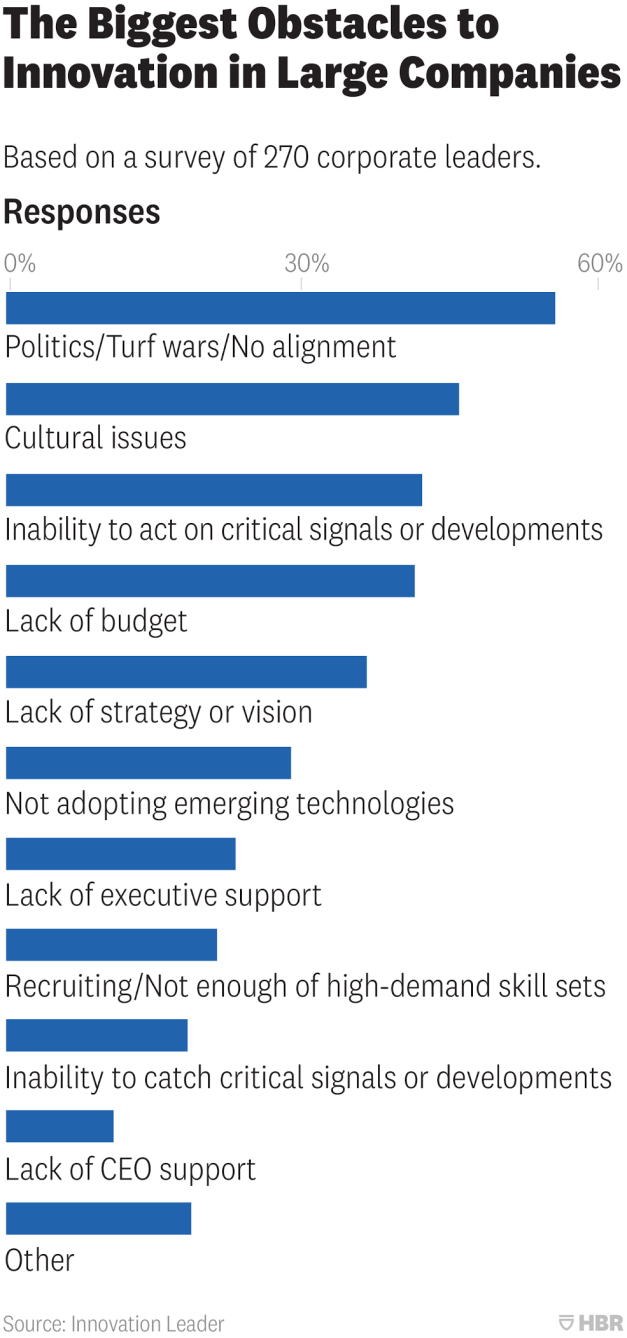
In a survey fielded earlier this year for Innovation Leader, an online resource for corporate innovation teams of which I am editor, we asked about the most common obstacles to innovation in large companies. (To be constructive, we also asked about the things that foster innovation.) The responses, from 270 corporate leaders in strategy, innovation, and research and development roles, were illuminating.

HBRxx1

We invited survey respondents to cite as many factors as they wanted from a list. The top five obstacles were each cited by at least one-third of respondents. They were:

Politics, turf wars, and a lack of alignment (cited by 55% of respondents.)

Some business units or functions believe they’re already doing innovation on their own, and that any sort of new initiative is edging into their terrain — and potentially competing for resources. Some may be hoping that the CEO’s “favorite child” of the moment, a new Chief Innovation Officer or Chief Digital Officer, will go away if ignored.

“Any time you start something new like [an innovation initiative], that cuts across many areas, there’s a potential for people feeling like you’re in their backyard,” says Michael Britt, a senior vice president who heads the Energy Innovation Center at Southern Company, a major utility operator. That’s especially true, he adds, when the core business is successful and doing well.

Senior leaders may not be able to squash every political squabble, but they can be clear about what the innovation or new ventures group is expected to do, and how others are expected to support it.

Cultural issues (45% of respondents.)

The culture at large companies is typically built on a foundation of operational excellence and predictable growth. Change-makers trying to conduct experiments are rarely greeted with open arms — especially when they’re working on an idea that may cannibalize stable businesses or upend today’s distribution model.

And big companies, like elephants, have long memories. Many long-timers can remember — and will happily detail in meetings — all of the “historical attempts [at innovation] that didn’t pan out – and it may just not have been the right time,” says Stacey Butler, director of innovation at NRG Energy.

Influencing the culture at established companies can seem, at times, like trying to walk into an art museum and just make a few small tweaks to the marble statues: no one wants you to do it, and almost anything you do will provoke a strong reaction. But creating new places where people can gather to work on projects — subcultures within the larger culture — can be constructive. So can designing new kinds of incentives, recognizing and rewarding the behaviors you want to encourage, and bringing in new, more diverse viewpoints and types of talent to the company.

Inability to act on signals crucial to the future of the business (42% of respondents.)

We asked about two related barriers in our survey: how well does your company “pick up” on signals of change, and how well does it act on them? Only 18% of respondents said that their companies had trouble with the former — so at most companies, there’s awareness of disruptive startups entering their sector, or changing customer purchase behaviors. The problem is acting on those signals. When your “forward scouts” see something important, what mechanisms exist to set up collaborations with outside vendors or startups, or run a quick pilot test with a function or business unit? Too many companies wait for the annual strategic off-site to roll around before they address the changing dynamics of their market.

Lack of budget (41% of respondents.)

At many of the largest companies, in industries like aerospace and technology, limited budgets are not an obstacle. Over decades, these industries have built up large R&D functions that are expected to crank out new ideas that the company will be able to leverage. But nearly 40% of the respondents to our survey said their innovation efforts had an annual budget of under $5 million, and 23% were below the $1 million mark. (We asked respondents to include both salaries of team members and direct spending.) Many of those lower budgets are in industries that haven’t historically had an R&D department, like retail, hospitality, and financial services.

In most cases, that budget level produces a small innovation team that may be doing some concept development work, trend scouting, or training employees on innovation methodologies — but isn’t having a broad impact on the company.

“With a budget of less than $1 million, it seems like the job is to build a case for innovation investment, versus [doing the work of] innovation itself,” says Rick Waldron, a former Nike executive who ran the apparel company’s innovation accelerator until last year. That level of funding, Waldron suggests, can be used to “bring senior management along on the journey and educate them” with a few concrete project examples that “will be the key to unlocking more resources for an innovation program.”

Lack of the right strategy or vision (36% of respondents.)

This answer includes a multitude of sins. Are employees clear on what kind of innovation they’re supposed to be doing? Are they looking for ideas to streamline operations and serve customers better, or developing new business models around existing products? Without a coherent strategy and clear vision for what the company aims to achieve, innovation efforts wind up feeling scattershot and isolated.

Interestingly, survey respondents said that their least significant was the “lack of CEO support”; just 10% of survey respondents said that it was constraining innovation at their company. The CEO, it turns out, doesn’t wield a sledgehammer that can demolish any obstacle that blocks a team of smart employees with a good idea.

What can help? Clear expectations set about why innovation is necessary. Appropriate recognition and incentives for people who get involved in making positive change happen. Regular communication and bridge-building between innovation teams, and the functions and business units they require as partners. Measures of progress that illuminate not only the performance of the innovation group, but also the functions and business units that they work with to implement their ideas.

One key enabler of innovation, referenced by more than half of our survey respondents, was the “ability to test, learn, and iterate.” How well does your company run quick-and-dirty experiments, gather the results, and then try again?

Finally, long-term commitment is essential. Corporate cultures reject many new initiatives if people believe they are the flavor-of-the-month. (One write-in response to our question about obstacles to innovation was, “Leadership ADHD.”) When CEOs and other leaders talk about innovation, they need to make it clear it will be more like a daily exercise regimen — part of the way things are done here, from now on — than a magical incantation that delivers instant results.

Head shot of Scott Kirsner

Scott Kirsner is the editor of Innovation Leader, an information service for corporate innovation executives, and a long-time business columnist for the Boston Globe.

Article link: https://hbr-org.cdn.ampproject.org/c/s/hbr.org/amp/2018/07/the-biggest-obstacles-to-innovation-in-large-companies

Deployment of DOD electronic health record modernization paused – Fedscoop

Posted by timmreardon on 04/06/2020
Posted in: Uncategorized. Leave a comment

Fedscoop1
The deployment of the Department of Defense‘s new electronic health record system has been paused while all efforts are funneled to responding to the novel coronavirus pandemic.

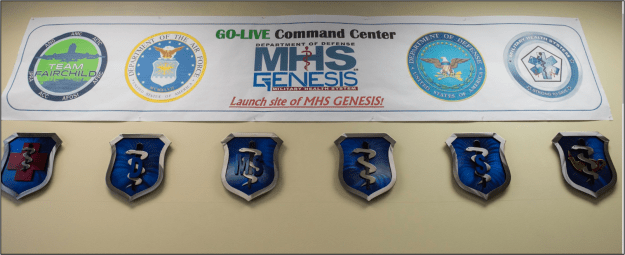
The Military Health System (MHS) GENESIS program is delaying the deployment of new systems at DOD medical facilities but still aims to remain on schedule with modernizing its back-end IT.

“There are currently no changes to the schedule,” Cori Hughes, director of program integration, told FedScoop in an email. “We have made a few adjustments to our daily activities to ensure we do not distract our providers from their efforts to support the current pandemic.”

The Cerner-based system is to be linked with the Department of Veterans Affairs’ $10 billion EHR modernization program, which is also based on Cerner software for maximum interoperability between the two. Once completed, the program aims to have all military and veteran health data on one cloud system with integrated modern electronic health services.

MHS GENESIS was planned to be deployed to new bases every three months starting this spring. It is unclear when the deployment will resume with the ongoing pandemic response.

“We want to ensure our providers can remain focused on the pandemic and not be distracted with MHS GENESIS deployment activities,” Hughes said of the MHS system deployment. “In collaboration with our acquisition leadership and our functional champion, we will suspend MHS GENESIS deployment activities that distract our providers during their support of the COVID pandemic.”

The VA did not respond to requests for comment on whether it will be delaying its planned July go-live for the new Cerner system in its Spokane, Washington hospital due to the coronavirus. The VA’s program is currently in the training phase for the new interfaces clinicians in Spokane will use on the Cerner system, but it is unclear if the wave of COVID-19 patients has delayed that. The VA has been hit by an “onslaught” of veterans battling the virus.

Article link: https://www.fedscoop.com/dod-mhs-genesis-electronic-health-records-modernization-delay/


Build Your Resilience in the Face of a Crisis – HBR

Posted by timmreardon on 04/05/2020
Posted in: Uncategorized. Leave a comment

by Rasmus Hougaard , Jacqueline Carter and Moses Mohan
March 19, 2020.

HBR MaR 20
As the spread and far-reaching impacts of Covid-19 dominate the world news, we have all been witnessing and experiencing the parallel spread of worry, anxiety, and instability. Indeed, in a crisis, our mental state often seems only to exacerbate an already extremely challenging situation, becoming a major obstacle in itself. Why is this and how can we change it? As the CEO of a firm that brings mindfulness to companies to unlock new ways of thinking and working, let me share a bit about how the mind responds to crises, like the threat of a pandemic.

Even without a constant barrage of bad or worrisome news, your mind’s natural tendency is to get distracted. Our most recent study found that 58% of employees reported an inability to regulate their attention at work. As the mind wanders, research has shown that it easily gets trapped into patterns and negative thinking. During times of crisis — such as those we are living through now — this tendency is exacerbated, and the mind can become even more hooked by obsessive thinking, as well as feelings of fear and helplessness. It’s why we find ourselves reading story after horrible story of quarantined passengers on a cruise ship, even though we’ve never stepped foot on a cruise ship, nor do we plan to.

When your mind gets stuck in this state, a chain reaction begins. Fear begins to narrow your field of vision, and it becomes harder to see the bigger picture and the positive, creative possibilities in front of you.  As perspective shrinks, so too does our tendency to connect with others. Right now, the realities of how the coronavirus spreads can play into our worst fears about others and increase our feelings of isolation, which only adds fuel to our worries.

Watching the past month’s turmoil unfold, I have been reminded of the old Buddhist parable of the second arrow. The Buddha once asked a student: “If a person is struck by an arrow, is it painful? If the person is struck by a second arrow, is it even more painful?” He then went on to explain, “In life, we cannot always control the first arrow. However, the second arrow is our reaction to the first. And with this second arrow comes the possibility of choice.”

We are all experiencing the first arrow of the coronavirus these days. We are impacted by travel restrictions, plummeting stock prices, supply shortages etc. But the second arrow — anxiety about getting the virus ourselves, worry that our loved ones will get it, worries about financial implications and all the other dark scenarios flooding the news and social media — is to a large extent of our own making. In short, the first arrow causes unavoidable pain, and our resistance to it creates fertile ground for all the second arrows.

It’s important to remember that these second arrows — our emotional and psychological response to crises — are natural and very human. But the truth is they often bring us more suffering by narrowing and cluttering our mind and keeping us from seeing clearly the best course of action.

The way to overcome this natural tendency is to build our mental resilience through mindfulness. Mental resilience, especially in challenging times like the present, means managing our minds in a way that increases our ability to face the first arrow and to break the second before it strikes us. Resilience is the skill of noticing our own thoughts, unhooking from the non-constructive ones, and rebalancing quickly. This skill can be nurtured and trained. Here are three effective strategies:

First, calm the mind.

When you focus on calming and clearing your mind, you can pay attention to what is really going on around you and what is coming up within you.  You can observe and manage your thoughts and catch them when they start to run away towards doomsday scenarios. You can hold your focus on what you choose (e.g. “Isn’t it a gift to be able to work from home!”) versus what pulls at you with each ping of a breaking news notification (e.g. “Oh no…the stock market has dropped again.”).

This calm and present state is crucial. Right away, it helps keep the mind from wandering and getting hooked, and it reduces the pits of stress and worry that we can easily get stuck in. Even more importantly, the continued practice of unhooking and focusing our minds builds a muscle of resilience that will serve us time and time again. When we practice bringing ourselves back to the present moment, we deepen our capacity to cope and weather all sorts of crises, whether global or personal. (Fortunately, there are a number of free apps available to help calm your mind and increase your own mindfulness.)

Look out the window.

Despair and fear can lead to overreactions. Often, it feels better to be doing something … anything … rather than sitting with uncomfortable emotions. In the past few weeks, I have felt disappointment and frustration with important business initiatives that have been adversely impacted by Covid-19. But I have been trying to meet this frustration with reflection versus immediate reaction. I know my mind has needed space to unhook from the swirl of bad news and to settle into a more stable position from which good planning and leadership can emerge. So, I have been trying to work less and to spend more time looking out my window and reflecting. In doing so, I have been able to find clearer answers about how best to move forward, both personally and as a leader.

Connect with others through compassion.

Unfortunately, many of the circles of community that provide support in times of stress are now closed off to us as cities and governments work to contain the spread of the virus. Schools are shut down, events are cancelled, and businesses have enacted work-from-home policies and travel bans. The natural byproduct of this is a growing sense of isolation and separation from the people and groups who can best quell our fears and anxieties.

The present climate of fear can also create stigmas and judgments about who is to blame and who is to be avoided, along with a dark, survivalist “every person for him/herself” mindset and behaviors.  We can easily forget our shared vulnerability and interdependence.

But meaningful connection can occur even from the recommended six feet of social distance between you and your neighbor — and it begins with compassion. Compassion is the intention to be of benefit to others and it starts in the mind.  Practically speaking, compassion starts by asking yourself one question as you go about your day and connect — virtually and in person — with others: How can I help this person to have a better day?

With that simple question, amazing things begin to happen. The mind expands, the eyes open to who and what is really in front of us, and we see possibilities for ourselves and others that are rich with hope and ripe with opportunity.

Rasmus Hougaard is the founder and managing director of Potential Project, a global leadership and organizational development firm serving Microsoft, Accenture, Cisco and hundreds of other organizations. He is publishing his second book The Mind of the Leader – How to Lead Yourself, Your People and Your Organization for Extraordinary Results with HBR Press in March 2018.


Jacqueline Carter is a partner and the North American Director of Potential Project. She is co-author of The Mind of the Leader – How to Lead Yourself, Your People and Your Organization for Extraordinary Results (HBR Press, 2018) as well as co-author with Rasmus Hougaard on their first book One Second Ahead: Enhancing Performance at Work with Mindfulness.

Article link: https://hbr.org/2020/03/build-your-resiliency-in-the-face-of-a-crisis?

VA, DOD launch joint audit of Cerner EHR interoperability efforts – Becker’s Hospital Review

Posted by timmreardon on 04/05/2020
Posted in: Uncategorized. Leave a comment

Jackie Drees – Wednesday, February 26th, 2020.

The Department of Defense and Department of Veterans Affairs’ inspectors general will begin a joint audit this month to assess the agencies’ progress achieving interoperability between their Cerner-built EHR systems, according to a Feb. 24 letter.

The objective of the audit “is to determine the extent to which the actions taken by the DOD and VA in acquiring and implementing a common, commercial EHR system and supporting architecture will achieve interoperability among the departments and with external healthcare providers,” the memorandum states.

VA and DOD are under separate contracts with Cerner to develop and deploy interoperable EHR systems across their care networks. Earlier this month, VA confirmed delays with the rollout of its new system, which was scheduled to deploy March 28 at Mann-Grandstaff VA Medical Center in Spokane, Wash. The department postponed the go-live for the end of April because it needs more time to finish building the system to ensure users are properly trained.

DOD is approaching the second wave of its Cerner go-live, with deployments scheduled at 25 sites in June. The department launched the EHR, dubbed MHS Genesis, at four sites in California and Idaho in September 2019. The successful rollout came more than two years after DOD’s initial implementation attempt in February 2017, which was ultimately delayed due to clinician reports of workflow problems such as issues with lab report requests.

VA and DOD will perform the audit at various locations, including the Offices of the Assistant Secretary of Defense for Health Affairs, Defense Health Agency, VA Office of EHR Modernization and DOD/VA Federal EHR Modernization Program Office.

Article link: https://www.beckershospitalreview.com/ehrs/va-dod-launch-joint-audit-of-cerner-ehr-interoperability-efforts.html

Inspirational Words For Difficult Times

Posted by timmreardon on 03/27/2020
Posted in: Uncategorized. Leave a comment

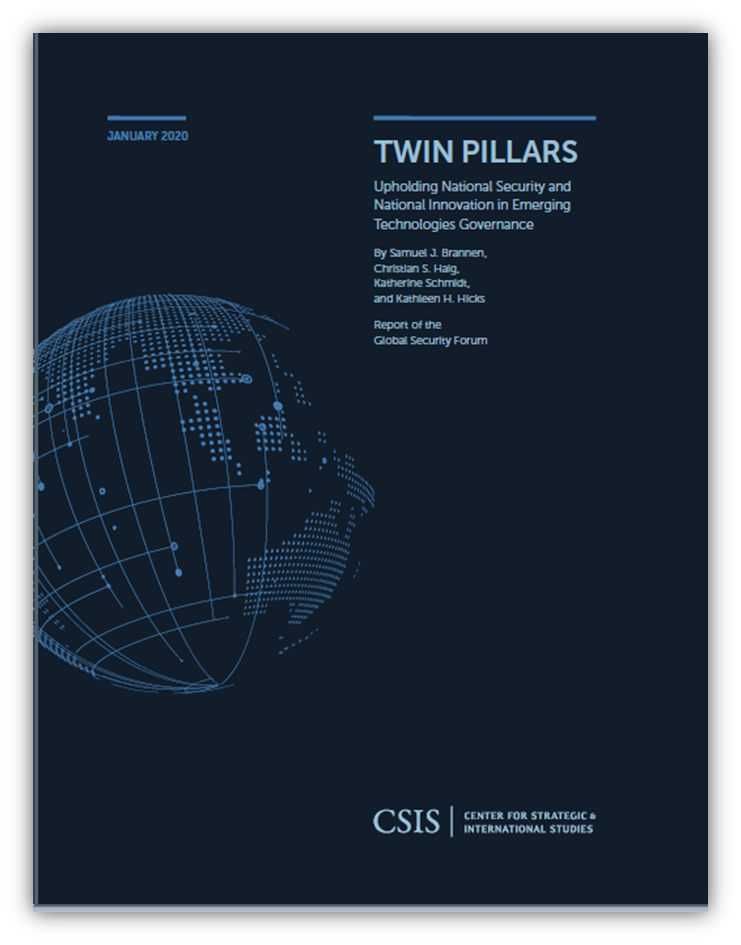
Twin Pillars – Upholding National Security and National Innovation in Emerging Technologies Governance – CSIS

Posted by timmreardon on 02/02/2020
Posted in: Uncategorized. Leave a comment

CSIS1

Report link: https://www.csis.org/analysis/twin-pillars-upholding-national-security-and-national-innovation-emerging-technologies

USWDS maturity model – United States Web Design System

Posted by timmreardon on 01/30/2020
Posted in: Uncategorized. Leave a comment

AUSWDS

USWWDS site link: https://designsystem.digital.gov/maturity-model/


GSA Publishes Updated Version of Federal Website Standards – MeriTalk

Posted by timmreardon on 01/30/2020
Posted in: Uncategorized. Leave a comment

Meri1
The General Services Administration (GSA) has published version 2.0 of its website design standards that are intended to guide Federal agencies to compliance with provisions of the 21st Century Integrated Digital Experience (IDEA) Act that became law in 2018.

Anil Cheriyan, Director of Technology Transformation Services at GSA, told reporters on Jan. 22 that the latest version of the website standards is already being used by about 40 Federal agencies for their websites. He said that creating the website design standards as a shared service “is really getting rid of the concept” of each Federal agency having to undertake website modernization on a one-off basis.

Version 2.0 of the website design standards builds on work that GSA has been doing since 2015, he said. The standards were created to be flexible and modular, and to facilitate continuous improvement, in order to allow agencies to build solutions that best meet their missions, Cheriyan said.

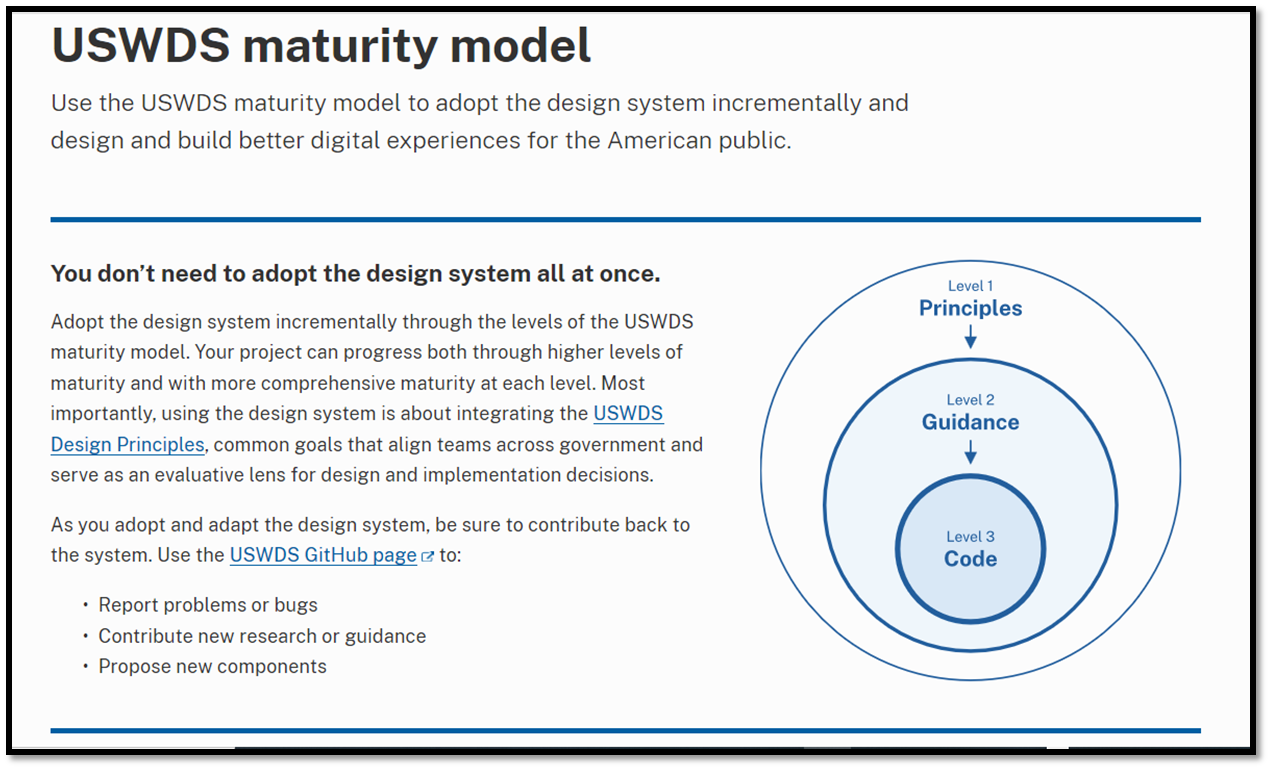
The newly published version says Federal agencies should use the U.S. Web Design System (USWDS) maturity model to deliver a “great digital experience.” It continues, “Agencies should use the maturity model to adopt USWDS incrementally, and prioritize implementation to align with the priorities identified in their modernization plans” and reports mandated by the IDEA Act.

U.S. Web Design System Product Lead Dan Williams said USWDS is “suitable for anything from fast prototypes to national-scale” projects, and is ideal for coordinating design at scale across multiple teams, multiple products, and multiple locations.
“Using a design system like the U.S. Web Design System is a little bit like following the rules of baseball … No two games are exactly the same, but they’re all recognizably baseball,” Williams said.

Article Link: https://www.meritalk.com/articles/gsa-publishes-updated-version-of-federal-website-standards/


Why Google’s Move into Patient Information Is a Big Deal – HBR

Posted by timmreardon on 12/15/2019
Posted in: Uncategorized. Leave a comment

by David Blumenthal
November 26, 2019

HBRGoog

A recent agreement between Google and Ascension, a huge national health system, is yet another sign of how the digital revolution is transforming health care. We are at the dawn of a new era where clinicians will be able to apply in real time the collective human experience in treating any particular problem to the care of every patient with that condition.

But the critical reactions to the agreement — under which Ascension will send to the Google cloud the clinical data it collects on its 50 million patients, and Google will process that data to help Ascension better manage its patients and its finances — make it clear that changes of this magnitude are never smooth. The announcement generated concerns about patient privacy and the misuse of information for the private gain of third parties. It triggered an investigation by the U.S. Department of Health and Human Services and calls from members of Congress for further inquiries. We are obviously at the beginning of what will likely be a long, contentious, and vital debate over how to manage personal health information in the digital age.

Patients have an undeniable right to privacy and control over their personal health data. Doctors and hospitals need leeway to use patient information in their care. Patients, health professionals, and the larger society have an interest in learning from our collective experience with care to better prevent and treat disease. And tech entrepreneurs want a return on their capital when they add value to the management of health-care data. The coming debate will be about how to manage these sometimes conflicting interests as health information technology revolutionizes our health care system.

Setting the legalities aside for a moment, here are the fundamentals underlying the Ascension-Google relationship: Ascension sits on troves of data accumulated in the course of caring for millions of patients who pass through its facilities. That data used to be locked away in paper records that had to be physically transported and laboriously abstracted to serve any purpose other than the care of an individual patient at a particular place and time. As a result of the near-universal adoption of electronic health records over the last decade, all that information is now stored as electrons that can flow instantly to wherever it’s needed and useful, provided that patients’ privacy is protected.
This has several immediate benefits for patients. One is that their personal histories are always accessible when they get care at Ascension (and possibly elsewhere). Another is that Ascension’s doctors and nurses can potentially learn from the experience of all Ascension’s patients with similar conditions as they care for any individual patient. And by applying search technologies and artificial intelligence, Ascension may also be able in real time to mobilize lessons of the entire scientific literature to bring to bear on individual patients. That literature is so enormous that even the most experienced, specialized clinicians have difficulty keeping up with it. Ascension’s experience may also inform medical research more broadly.

The challenge is that accomplishing these innovative uses of electronic data requires a range of informatics, analytics, and research skills that most health systems don’t possesses. One logical approach is for health care organizations like Ascension to partner with third parties that have the necessary capabilities. That’s where Google comes in. It has IT skills — including in the field of artificial intelligence — that Ascension can never hope to equal. And Google has been gobbling up nationally renowned clinician leaders and researchers to create a deep bench in health-care informatics and research.
In this, Google is not alone. IBM Watson has been in this field for some time. Amazon and Apple seem to be following suit. And there are a flock of start-ups hunting for opportunities to add value to health care by mining patient data. When health care, which accounts for 18% of the U.S. economy, suddenly enters the digital age — bringing almost inconceivably large stores of untapped data — the business opportunities are huge. Google is reportedly not charging Ascension for its services, but that is likely because of the exploratory nature of the work that Google will be doing at this point in the developing arena of health care informatics. Future customers are unlikely to be so fortunate.

The legalities, of course, cannot be set aside for long. The Google-Ascension deal will likely expose the personal health information of millions of Ascension patients to Google employees. Doesn’t this violate the Health Insurance Portability and Accountability Act of 1996 (HIPAA)? Health care providers routinely cite HIPAA as a tough, no-nonsense statute that severely inhibits their ability to share patients’ information with each other and even with patients themselves and their families.

Well, the fact is that HIPAA, despite its fearsome reputation, is full of holes, and lawyers for Google and Ascension likely found ample room in the law to support their agreement. For one thing, health care providers who are regulated under HIPAA, so-called covered entities, may share personal health information without patient consent for three main purposes: treatment, payment, and operations.

Treatment means that clinicians can discuss their patients with other treating clinicians without getting patients’ consent each time. Without this flexibility, doctors would be severely restricted in their ability to consult with colleagues for the benefit of their common patients. Payment means providers can use personal health information to get paid by insurers. And operations means that providers can use personal health information to address the critical operational needs of their organizations, including improving the quality and safety of their care. When a covered entity uses a third party to fulfill any of these purposes, that outside entity becomes a so-called business associate, and must conform to HIPAA regulations as well.

The data management activities that Google will undertake for Ascension may very well qualify as meeting Ascension’s operational needs to improve the quality of its care, and Google could, in that capacity, serve as a business associate. Under this interpretation, the sharing of patient data without patient consent could be legal under HIPAA. The U.S. Department of Health and Human Services, which enforces the HIPAA statute, is examining the relationship to see if it meets HIPAA requirements.

However, even if the relationship turns out to be technically legal, it raises significant unresolved policy issues. The lawmakers who created HIPAA never anticipated the internet, IT behemoths like Google and Apple, or the skill of hackers who seem to penetrate the most secure data systems at will. It is one thing to share a dusty old paper record with an outside entity. It is quite another to send electronic versions off into the cloud where — despite a third party’s best efforts — it might be hacked from anywhere on earth. HIPAA is likely no longer sufficient to reassure patients that their electronic health data is adequately protected.

Another question surrounds rights to the commercial benefits likely to flow from collaborations between health care organizations and IT companies. These agreements will likely produce a bounty of intellectual property that will be profitably sold without patient information (think algorithms and software) to other health care providers and even to other businesses that develop and market health care products (think pharmaceutical and device companies and health plans). Ultimately, however, these profits will be derived from the personal health information of millions of patients who will likely have no idea of how their data have been used. Should they be given the opportunity to consent to these business uses of their data? Should they share in some small way in the gains?

These and other questions will have to be addressed to realize the individual and societal benefits of the health information revolution, and we will have to sort out the multiple conflicting interests and perspectives that arise at every inflection point in human history.

Article link: https://hbr.org/2019/11/why-googles-move-into-patient-information-is-a-big-deal

Posts navigation

← Older Entries
Newer Entries →
  • Search site

  • Follow healthcarereimagined on WordPress.com
  • Recent Posts

    • When Not to Use AI – MIT Sloan 04/01/2026
    • There are more AI health tools than ever—but how well do they work? – MIT Technology Review 03/30/2026
    • Are AI Tools Ready to Answer Patients’ Questions About Their Medical Care? – JAMA 03/27/2026
    • How AI use in scholarly publishing threatens research integrity, lessens trust, and invites misinformation – Bulletin of the Atomic Scientists 03/25/2026
    • VA Prepares April Relaunch of EHR Program – GovCIO 03/19/2026
    • Strong call for universal healthcare from Pope Leo today – FAN 03/18/2026
    • EHR fragmentation offers an opportunity to enhance care coordination and experience 03/16/2026
    • When AI Governance Fails 03/15/2026
    • Introduction: Disinformation as a multiplier of existential threat – Bulletin of the Atomic Scientists 03/12/2026
    • AI is reinventing hiring — with the same old biases. Here’s how to avoid that trap – MIT Sloan 03/08/2026
  • Categories

    • Accountable Care Organizations
    • ACOs
    • AHRQ
    • American Board of Internal Medicine
    • Big Data
    • Blue Button
    • Board Certification
    • Cancer Treatment
    • Data Science
    • Digital Services Playbook
    • DoD
    • EHR Interoperability
    • EHR Usability
    • Emergency Medicine
    • FDA
    • FDASIA
    • GAO Reports
    • Genetic Data
    • Genetic Research
    • Genomic Data
    • Global Standards
    • Health Care Costs
    • Health Care Economics
    • Health IT adoption
    • Health Outcomes
    • Healthcare Delivery
    • Healthcare Informatics
    • Healthcare Outcomes
    • Healthcare Security
    • Helathcare Delivery
    • HHS
    • HIPAA
    • ICD-10
    • Innovation
    • Integrated Electronic Health Records
    • IT Acquisition
    • JASONS
    • Lab Report Access
    • Military Health System Reform
    • Mobile Health
    • Mobile Healthcare
    • National Health IT System
    • NSF
    • ONC Reports to Congress
    • Oncology
    • Open Data
    • Patient Centered Medical Home
    • Patient Portals
    • PCMH
    • Precision Medicine
    • Primary Care
    • Public Health
    • Quadruple Aim
    • Quality Measures
    • Rehab Medicine
    • TechFAR Handbook
    • Triple Aim
    • U.S. Air Force Medicine
    • U.S. Army
    • U.S. Army Medicine
    • U.S. Navy Medicine
    • U.S. Surgeon General
    • Uncategorized
    • Value-based Care
    • Veterans Affairs
    • Warrior Transistion Units
    • XPRIZE
  • Archives

    • April 2026 (1)
    • March 2026 (9)
    • February 2026 (6)
    • January 2026 (8)
    • December 2025 (11)
    • November 2025 (9)
    • October 2025 (10)
    • September 2025 (4)
    • August 2025 (7)
    • July 2025 (2)
    • June 2025 (9)
    • May 2025 (4)
    • April 2025 (11)
    • March 2025 (11)
    • February 2025 (10)
    • January 2025 (12)
    • December 2024 (12)
    • November 2024 (7)
    • October 2024 (5)
    • September 2024 (9)
    • August 2024 (10)
    • July 2024 (13)
    • June 2024 (18)
    • May 2024 (10)
    • April 2024 (19)
    • March 2024 (35)
    • February 2024 (23)
    • January 2024 (16)
    • December 2023 (22)
    • November 2023 (38)
    • October 2023 (24)
    • September 2023 (24)
    • August 2023 (34)
    • July 2023 (33)
    • June 2023 (30)
    • May 2023 (35)
    • April 2023 (30)
    • March 2023 (30)
    • February 2023 (15)
    • January 2023 (17)
    • December 2022 (10)
    • November 2022 (7)
    • October 2022 (22)
    • September 2022 (16)
    • August 2022 (33)
    • July 2022 (28)
    • June 2022 (42)
    • May 2022 (53)
    • April 2022 (35)
    • March 2022 (37)
    • February 2022 (21)
    • January 2022 (28)
    • December 2021 (23)
    • November 2021 (12)
    • October 2021 (10)
    • September 2021 (4)
    • August 2021 (4)
    • July 2021 (4)
    • May 2021 (3)
    • April 2021 (1)
    • March 2021 (2)
    • February 2021 (1)
    • January 2021 (4)
    • December 2020 (7)
    • November 2020 (2)
    • October 2020 (4)
    • September 2020 (7)
    • August 2020 (11)
    • July 2020 (3)
    • June 2020 (5)
    • April 2020 (3)
    • March 2020 (1)
    • February 2020 (1)
    • January 2020 (2)
    • December 2019 (2)
    • November 2019 (1)
    • September 2019 (4)
    • August 2019 (3)
    • July 2019 (5)
    • June 2019 (10)
    • May 2019 (8)
    • April 2019 (6)
    • March 2019 (7)
    • February 2019 (17)
    • January 2019 (14)
    • December 2018 (10)
    • November 2018 (20)
    • October 2018 (14)
    • September 2018 (27)
    • August 2018 (19)
    • July 2018 (16)
    • June 2018 (18)
    • May 2018 (28)
    • April 2018 (3)
    • March 2018 (11)
    • February 2018 (5)
    • January 2018 (10)
    • December 2017 (20)
    • November 2017 (30)
    • October 2017 (33)
    • September 2017 (11)
    • August 2017 (13)
    • July 2017 (9)
    • June 2017 (8)
    • May 2017 (9)
    • April 2017 (4)
    • March 2017 (12)
    • December 2016 (3)
    • September 2016 (4)
    • August 2016 (1)
    • July 2016 (7)
    • June 2016 (7)
    • April 2016 (4)
    • March 2016 (7)
    • February 2016 (1)
    • January 2016 (3)
    • November 2015 (3)
    • October 2015 (2)
    • September 2015 (9)
    • August 2015 (6)
    • June 2015 (5)
    • May 2015 (6)
    • April 2015 (3)
    • March 2015 (16)
    • February 2015 (10)
    • January 2015 (16)
    • December 2014 (9)
    • November 2014 (7)
    • October 2014 (21)
    • September 2014 (8)
    • August 2014 (9)
    • July 2014 (7)
    • June 2014 (5)
    • May 2014 (8)
    • April 2014 (19)
    • March 2014 (8)
    • February 2014 (9)
    • January 2014 (31)
    • December 2013 (23)
    • November 2013 (48)
    • October 2013 (25)
  • Tags

    Business Defense Department Department of Veterans Affairs EHealth EHR Electronic health record Food and Drug Administration Health Health informatics Health Information Exchange Health information technology Health system HIE Hospital IBM Mayo Clinic Medicare Medicine Military Health System Patient Patient portal Patient Protection and Affordable Care Act United States United States Department of Defense United States Department of Veterans Affairs
  • Upcoming Events

Blog at WordPress.com.
healthcarereimagined
Blog at WordPress.com.
  • Subscribe Subscribed
    • healthcarereimagined
    • Join 153 other subscribers
    • Already have a WordPress.com account? Log in now.
    • healthcarereimagined
    • Subscribe Subscribed
    • Sign up
    • Log in
    • Report this content
    • View site in Reader
    • Manage subscriptions
    • Collapse this bar
 

Loading Comments...