Article link: http://www.cnas.org/reforming-the-military-health-system#.VOs6o8k5C03
Report link: https://healthcarereimagined.net/wp-content/uploads/2015/02/reforming-dod-healthcare_021015.pdf
By Heather Caspi | February 19, 2015
What’s in an EHR? As the Department of Defense prepares to select a new electronic health record system, some are advocating that it go with an open-source solution—not just to benefit of the DOD but to use the $11-billion program to benefit the healthcare industry at large.
In a new report released by the Center for New American Security titled “Reforming the Military Health System,” the authors argue that the selection of a closed, proprietary system would trap the DOD into vendor lock, health data isolation and a long-term contract with technology that will age rather than evolve.
Co-author Stephen L. Ondra, a former senior advisor for health information in the White House Office of Science and Technology Policy, tells Healthcare Dive that an open-source solution could more easily adapt to meet future modernization and interoperability needs, and could more creatively be tailored to the DOD’s requirements.
Ondra says most commercial EHR systems are developed around the fee-for-service revenue cycle, a model that is not particularly relevant to the DOD and its healthcare system. He says an EHR for the DOD should be focused on the clinical care management aspect of these programs, which would require lengthy and expensive modification.
He argues that a proprietary system would be inadequate as it would leave the DOD with a single vendor’s solutions. “You don’t have some of the creativity and innovation that an open source system would have because you’re limited to a single vendor’s view and skills,” Ondra says.
In addition, he notes, proprietary systems have less incentive to provide interoperability solutions because their business model aims to lock people into using that particular system.
“I think the commercial systems are very good at what they do,” Ondra said. However, “they are not ideally designed for efficiency and enhancement of care delivery, and I think the DOD can do better with an open source system both in the near-term, and more importantly in the long-term, because of the type of innovation and creativity that can more quickly come into these systems.”
Whoever gets that $11-billion award is going to have a lot of money to develop EHR technology—and whether they are serving an open or closed solution will determine whether the innovations remain stovepiped from the rest of the industry, notes report author Peter L. Levin, a former chief technology officer at the Department of Veterans Affairs.
“If the DOD were to choose to go with a closed, proprietary system, it has the potential of stifling innovation in the rest of the industry,” Levin says. “If they go with an openly-architected, standard space and modular system, then really in a very simple way, they are spreading the innovation resources around.”
“Instead of concentrating it all in one place and letting that vendor own all of the innovation, they’ll be able to nourish and support the various components that comprise these complicated enterprise resource platforms in a way that will not only be beneficial to the DOD and the country in the long run, but will tremendously benefit the country and other kinds of innovations now,” Levin said.
Levin adds that the same arguments for the DOD to select an open-source EHR system apply to private healthcare systems as well. He asks consumers to imagine if they could only talk to people with same phone carrier, or only go to gas stations for their particular make of car.
He argues that private hospitals and private payers have been unwittingly supporting the continued isolation and segmentation of the commercial solutions.
“Healthcare suffers tremendously in terms of cost and outcome because of these isolated systems,” he says, “and that’s just as true for the private sector as it is for the public sector.”
Ondra adds that the DOD’s choice will set an example from which both open and closed source providers could learn.
“I think that a major government contract would send the message that the current systems, as good as they are, are not fully meeting the needs of clinical care in a way that is efficient for the provider,” he says.
“Going to an open source for the DOD gives the opportunity to have rapid development of things that are more helpful to care delivery, more efficient for the provider, because the customer then is the deliverer of care, and not the finance department of a care delivery system,” Ondra said.
Article link: http://www.healthcaredive.com/news/how-the-dods-choice-of-ehr-will-impact-providers/366180/
by Derek A. Haas
, Yudit C. Krosner
, Nirvan Mukerji
, and Robert S. Kaplan
December 26, 2014

“I would have written a shorter letter but did not have the time,” Blaise Pascal, the 17th century French mathematician and philosopher, once apologized. Unfortunately, the same problem often arises when physicians manage the care of patients with chronic conditions such as diabetes, heart failure, and kidney disease. If they had more time (and in some cases, motivational skills), they could better persuade patients to make the sacrifices and hard choices to change their lifestyles and to follow the recommended treatment plan.
Pressuring physicians to maximize the number of patients they see and minimizing the time they spend with each is one of five counterproductive mistakes that health care providers often make in trying to reduce costs — the subject of a recent article in the Harvard Business Review.
Overworked physicians rarely have the time for these difficult conversations, especially when they are restricted to 20- to 30-minute appointments, with much of the front end spent updating a patient’s medical record. When physicians spend an inadequate amount of time with their patients, the patients may not fully understand the importance of complying with all aspects of their recommended treatments, which eventually leads to deteriorating health and higher treatment costs. Approximately 50% of patients with chronic conditions do not take their medications as prescribed.
To illustrate the problem, consider our research on the cost of treating patients when their kidneys begin to lose their ability to filter blood. Should the kidneys of a patient with such a chronic disease completely fail when a transplant is not immediately available, the person needs dialysis several times a week to filter and clean the blood. How the patient starts on dialysis has enormous health and cost implications.
The vast majority of patients should do peritoneal dialysis at home or start with hemodialysis at a dialysis center. Both approaches require a vascular surgeon to create a fistula or a graft to connect an artery and a vein in the forearm. The surgery must be performed well before dialysis starts since a fistula can take about three months and a graft several weeks to “mature,” or be ready to be used for dialysis. (The alternatives are having either a preemptive kidney transplant or a peritoneal dialysis catheter placed, which also require advance planning.) If dialysis is required and a matured graft or fistula is not available, the patient must start with a catheter inserted into a vein in the neck or chest, a process that leads to a much higher risk of infection, blood clotting, and death.
Despite the large health benefits from an optimal dialysis start, more than 50% of patients nationwide begin dialysis via a catheter. Some of these occur because primary care physicians wait too long to refer their patients to nephrologists. Once referred, many patients are in denial that they will need dialysis or that they will need it as soon as actually occurs. Such patients may not adequately prepare for this eventuality despite a timely recommendation by their nephrologist.
To understand these issues better, we formed a project team to study patients that started on dialysis in 2011 and 2012. It analyzed historical data of 167 patients insured by Kaiser Permanente in the Georgia Region, and used time-driven activity-based costing to assess the costs of care received one year prior to the start of dialysis and also the charges incurred for one year after starting dialysis. We learned that health complications in the year following a sub-optimal start of dialysis led to nearly $20,000 in extra treatment costs per patient.
Interestingly, the patients in our study who started on dialysis with a fistula or graft largely had the same breadth of nephrology care — number of nurse visits, nephrologist phone calls, care manager coordination, classes, and initial consults — during the one year prior to the commencement of dialysis as those who started sub-optimally with a catheter. Even including the extra cost of the vascular surgery, the costs of treating the two sets of patients before dialysis began were about the same.
A few differences did exist between the two sets of patients, likely reflecting the better compliance of patients that started dialysis optimally. Patients with an optimal start received, on average, one more follow-up visit (5 vs. 4) with the nephrologist. Patients who started optimally were also somewhat more likely to have attended a class to learn about the options for starting on dialysis and were more likely to have attended the class farther ahead of the start of dialysis.
Dr. Nirvan Mukerji, a nephrologist and a coauthor of this article, believes that he could significantly increase the percentage starting optimally if he could spend an additional 30 minutes with each patient, counseling them on how to best prepare for dialysis as their kidney disease progresses. While his full schedule had previously prevented him from spending that additional time, he is now testing the use of extended office visits for patients with advanced chronic kidney disease as well as alternative options, such as having patients already on dialysis make presentations with him at the education class. We estimated that the incremental cost for the extended meeting or the educational class presentation would be under $200, a small price to pay to avoid the health risks and $20,000 in higher treatment costs that typically occur in the first year after a patient starts dialysis sub-optimally.
There are many other examples of how primary care doctors treating chronic diseases, such as diabetes and congestive heart failure, could offer better advice and achieve better treatment compliance if they had more time to spend with their patients. The costs of such extra time would be repaid many times over, often by orders of magnitude, through fewer future complications. Attempting to improve a physician’s productivity by placing arbitrary limits on length of appointments or setting high targets for the numbers of patients that he or she should see each day lowers costs at the front end of a care cycle. But they incur much higher costs later in the cycle when preventable complications are treated in emergency rooms and intensive care units.
Derek A. Haas is a project director and fellow at HBS and a founder of Avant-garde Health.
Yudit C. Krosner is director of specialty-care strategy and practice management at the Southeast Permanente Medical Group in metropolitan Atlanta.
Nirvan Mukerji, MD, is a practicing nephrologist and the chief of nephrology in the Southeast Permanente Medical Group in metropolitan Atlanta.

Doctors and patients in the United States must work together to minimize waste in health care. The millions of health care decisions made each day — to see a provider, complete a medical test, fill a prescription, or undergo a procedure — come with benefits, risks, and costs. Many of the choices are well informed by clinical evidence and expertise. But all too often they are driven by habit, hunches, or misaligned economic incentives, leading to substantial overuse of unnecessary, even harmful, services. The Institute of Medicine estimates that unnecessary services represent about 10% of all U.S. health care spending — nearly $300 billion a year.
In 2012, the American Board of Internal Medicine Foundation launched the Choosing Wisely campaign to encourage doctors and patients to discuss the issue of unnecessary tests and treatments, also known as “overuse.” Building on initial efforts by primary care organizations, more than 60 medical specialty societies have identified more than 300 recommendations that should be addressed. The Choosing Wisely campaign focuses almost exclusively on professional education (through participating medical societies) and on public education in the form of videos and brochures for patients produced by Consumer Reports. As more and more health care organizations, medical groups, and individual doctors implement its recommendations, Choosing Wisely is helping to transform the culture of health care. That cultural shift helps to ensure that new approaches to quality management, price transparency, and economic incentives for providers ultimately bear fruit in reducing overuse.
Choosing Wisely has renewed the focus on overuse, but the campaign had its precursors. In the 1980s, researchers at RAND developed an approach for classifying health care into four categories of appropriateness, ranging from necessary services, whose benefits clearly outweigh the risks (not performing these services constitutes underuse), to inappropriate services, whose risks for harm exceed the potential benefits (performing these services constitutes overuse). Subsequent studies have documented substantial overuse of common procedures such as hysterectomy, common medications such as antibiotics, and even chemotherapy. Overuse of surgery or chemotherapy clearly has potential harms.
Other examples of overuse, however, are subtler. For example, an estimated 25% of Medicare beneficiaries undergo an imaging test for uncomplicated low-back pain. That may seem harmless on its face, but almost all patients with this symptom recover without an invasive procedure — and, in response to the imaging results, some patients undergo additional procedures they don’t actually need. Similarly, more than half of antibiotics prescribed for common colds and coughs may be unnecessary.
During the past 15 years, our health care system has made substantial strides in reducing underuse of high-value services. However, progress on overuse of low-value services (to which one quarter of Medicare beneficiaries may be exposed) has lagged, especially in regions that have higher levels of spending and that have more specialists relative to primary care physicians.
Overuse in health care has been tough to address for several reasons:
Choosing Wisely and other ongoing reforms in health care aim to address each of those impediments to progress, as we discuss below.
As early as 1986, RAND researchers wrote, “Physicians today face mounting pressures to use procedures only when clinically valid criteria indicate that they are appropriate.” Nearly 30 years later, those pressures persist. The Choosing Wisely campaign and the broader medical community are beginning to make a dent in overuse by focusing on these dimensions:
Putting quantity in the context of quality. Choosing Wisely helps patients and doctors see that more care is not always better care. Doctors have long known about some of the opportunities for reducing the quantity of care without compromising quality, such as not getting an imaging test for uncomplicated low back pain or not ordering an annual cardiac stress test in patients without symptoms. In these instances, Choosing Wisely can help educate patients about why an unnecessary test could wind up being bad for them so that doctors and patients can have more constructive conversations about the tests. For other, newer recommendations, Choosing Wisely may need to gain traction with doctors first. For example, the American Geriatrics Society advises limiting aggressive treatment of older patients with diabetes to prevent harmful episodes of low blood sugar — this recommendation has the potential to change the way many doctors practice.
Changing how quality is managed. We need to move from a quality assessment system that merely tracks use of services to a quality management system that helps providers and patients make better decisions about when care is necessary or inappropriate. That means using personalized assessments of potential benefits and harms, as well as taking into account the preferences of patients who are well informed about their options. For example, new guidelines for preventing heart disease use a personalized assessment that helps doctors identify an individual patient’s risk for a heart attack — and whether that patient should take a cholesterol-lowering statin drug and at what dose. Although Choosing Wisely does not specifically develop such tools, they are consistent with the culture of more-efficient, patient-centered quality management that the campaign promotes.
Helping doctors reconceive the value of their services. Most physicians are enthusiastic about limiting access to expensive tests that have little or no benefit as a way to curb excessive health care costs. Nevertheless, nearly three-quarters of doctors believe that the average physician orders unnecessary tests at least once per week, most often stemming from fear of lawsuits and general clinical uncertainty. In its campaign to educate doctors through their professional societies and the public through Consumer Reports, Choosing Wisely is promoting the view that not ordering unnecessary services can have as much value for patients as ordering appropriate tests and treatments.
Re-envisioning payments and pricing. With reforms in how insurers pay for medical services, doctors will need to think more carefully about which services they provide and for whom. For example, a “bundled payment” for an episode of care, such as all services related to knee-replacement surgery, could result in fewer unnecessary services within that episode (though some episodes of care may be unnecessary to begin with). Global capitation — a fixed, per-person, per-month fee regardless of the services provided — may encourage doctors to focus on limiting overuse and less on reducing underuse. Greater transparency of health care prices may also prompt patients and doctors to discuss when medical services are unnecessary. Choosing Wisely does not directly address such cost-related initiatives, but its focus on limiting overuse (in the interest of optimal care for patients) complements those aims.
All of these reforms will require careful consideration of unintended consequences, so that our efforts to limit overuse do not foster underuse of high-value services. We must continue to test approaches to limit overuse while ensuring that necessary services are provided. The principles of the Choosing Wisely campaign are consistent with this type of judicious approach. In a 2014 survey, 21% of doctors indicated that they were aware of the Choosing Wisely campaign, and 62% of that subgroup reported taking steps to reduce unnecessary services (compared with 45% of doctors who were not aware of Choosing Wisely). Clearly, many doctors have taken note of the campaign in its first two years, but many others remain to be engaged, and we will need new data to determine whether overuse of health care is actually declining.
Thirty years after the concepts of health care appropriateness were first developed, professionalism, payment policies, and science are aligning to create incentives and tools to help limit overuse. Together doctors and patients can choose a less wasteful approach as they aim to improve both the quality and efficiency of health care.

Eve A. Kerr, MD, is the director of the Center for Clinical Management Research at the Ann Arbor Veterans Affairs Healthcare System and a professor of internal medicine at the University of Michigan.

JAN. 30, 2015
A secretive group met behind closed doors in New York this week. What they decided may lead to higher drug prices for you and hundreds of millions around the world.
Representatives from the United States and 11 other Pacific Rim countries convened to decide the future of their trade relations in the so-called Trans-Pacific Partnership (T.P.P.). Powerful companies appear to have been given influence over the proceedings, even as full access is withheld from many government officials from the partnership countries.
Among the topics negotiators have considered are some of the most contentious T.P.P. provisions — those relating to intellectual property rights. And we’re not talking just about music downloads and pirated DVDs. These rules could help big pharmaceutical companies maintain or increase their monopoly profits on brand-name drugs.
The secrecy of the T.P.P. negotiations makes them maddeningly opaque and hard to discuss. But we can get a pretty good idea of what’s happening, based on documents obtained by WikiLeaks from past meetings (they began in 2010), what we know of American influence in other trade agreements, and what others and myself have gleaned from talking to negotiators.
Trade agreements are negotiated by the office of the United States Trade Representative, supposedly on behalf of the American people. Historically, though, the trade representative’s office has aligned itself with corporate interests. If big pharmaceutical companies hold sway — as the leaked documents indicate they do — the T.P.P. could block cheaper generic drugs from the market. Big Pharma’s profits would rise, at the expense of the health of patients and the budgets of consumers and governments.
There are two ways the office of the trade representative can use the T.P.P. to maintain or raise drug prices and profits.
The first is to restrict competition from generics. It’s axiomatic that more competition means lower prices. When companies have to fight for customers, they end up cutting their prices. When a patent expires, any company can enter the market with a generic version of a drug. The differences in prices between brand-name and generic drugs are mind- and budget-blowing. Just the availability of generics drives prices down: In generics-friendly India, for example, Gilead Sciences, which makes an effective hepatitis-C drug, recently announced that it would sell the drug for a little more than 1 percent of the $84,000 it charges here.
That’s why, since the United States opened up its domestic market to generics in 1984, they have grown from 19 percent of prescriptions to 86 percent, by some accounts saving the United States government, consumers and employers more than $100 billion a year. Drug companies stand to gain handsomely if the T.P.P. limits the sale of generics.
The second strategy is to undermine government regulation of drug prices. More competition is not the only way to keep down the prices of essential goods and services. Governments can also directly restrain prices through law, or effectively restrain them by denying reimbursement to patients for “overpriced” drugs — thus encouraging companies to bring down their prices to approved levels. These regulatory approaches are especially important in markets where competition is limited, as it is in the drug market. If the United States Trade Representative gets its way, the T.P.P. will limit the ability of partner countries to restrict prices. And the pharmaceutical companies surely hope the “standard” they help set in this agreement will become global — for example, by becoming the starting point for United States negotiations with the European Union over the same issues.
Of course, pharmaceutical companies claim they need to charge high prices to fund their research and development. This just isn’t so. For one thing, drug companies spend more on marketing and advertising than on new ideas. Overly restrictive intellectual property rights actually slow new discoveries, by making it more difficult for scientists to build on the research of others and by choking off the exchange of ideas that is critical to innovation. As it is, most of the important innovations come out of our universities and research centers, like the National Institutes of Health, funded by government and foundations.
The efforts to raise drug prices in the T.P.P. take us in the wrong direction. The whole world may come to pay a price in the form of worse health and unnecessary deaths.
Joseph E. Stiglitz, a Nobel laureate in economics, a professor at Columbia and a former chairman of the Council of Economic Advisers, is the author of “The Price of Inequality.”
Article link: http://www.nytimes.com/2015/01/31/opinion/dont-trade-away-our-health.html?_r=1
The Office of the National Coordinator for Health IT has released for public comment its shared nationwide roadmap for interoperability.
The roadmap’s goal is to provide steps to be taken in both the private and public sectors to create an interoperable health IT ecosystem over the next 10 years, according to ONC.
One of the main focuses on the roadmap is to enable “a majority of individuals and providers across the care continuum to send, receive, find and use a common set of electronic clinical information at the nationwide level by the end of 2017.”
In addition, the roadmap is also linked with President Barack Obama’s recently announcement Precision Medicine Initiative, which aims to increase the use of personalized information in healthcare, ONC announced.
“HHS is working to achieve a better healthcare system with healthier patients, but to do that, we need to ensure that information is available both to consumers and their doctors,” HHS Secretary Sylvia M. Burwell said in the announcement. “Great progress has been made to digitize the care experience, and now it’s time to free up this data so patients and providers can securely access their health information when and where they need it.”
Along with the roadmap, ONC also released a draft of 2015 Interoperability Advisory Standards, which “represents ONC’s assessment of the best available standards and implementation specifications for clinical health information interoperability as of December 2014.”
The roadmap is garnering praise from industry leaders, including from the College of Healthcare Information Management Executives. CHIME said in an annocement that is “welcomes” the Interoperability Standards Advisory today as part of the roadmap.
“This is a much-needed playbook for each and every health IT professional,” CHIME President and CEO Russell P. Branzell said in the announcement. “Now, healthcare providers and health IT developers have a single source of truth, with an extensible process to align clinical standards towards improved interoperability, efficiency and patient safety. While we have made great strides as a nation to improve EHR adoption, we must pivot towards true interoperability based on clear, defined and enforceable standards.”
The draft road map stems from, and is a more robust version of, a vision paper published in June by ONC. The ultimate goal of ONC in developing the road map is to build a continuous learning health system. The interoperability roadmap is also part of the ONC’s overarching Federal Health IT Strategic Plan, which spans from 2015 to 2020.
“As a draft, this roadmap needs the input from knowledgeable, engaged stakeholders and, in particular, areas where important actions or milestones may be missing,” according to ONC.
To learn more:
– here’s the roadmap (.pdf)
– check out the Interoperability Advisory Standards (.pdf)
– read the announcement
Compiled by Neil Versel, Contributing Writer
While health providers praise the ONC’s interoperability vision, they’re demanding increased standardization and an accelerated roadmap to achieve the Triple Aim.

Interoperability was supposed to be a centerpiece of Stage 2 of the Meaningful Use (MU) EHR incentive program, but hospitals and physicians practices nationwide are finding out just how hard it is to achieve that goal. Through the end of August, a mere 25 hospitals and 1,277 eligible professionals had attested to Stage 2 on the Medicare side of the program, according to CMS.
A KLAS Enterprises report, released in October, found that although 82 percent of the 220 providers interviewed thought that they were at least “moderately successful” with interoperability, a mere 6 percent said they were at an “advanced” level. And just 20 percent were “optimistic” about health IT vendors’ efforts to collaborate on interoperability.
In the same week, the Office of the National Coordinator for Health Information Technology submitted its annual report to Congress, highlighting some of the problems. “Electronic health information is not yet sufficiently standardized to allow seamless interoperability, as it is still inconsistently expressed through technical and medical vocabulary, structure, and format, thereby limiting the potential uses of the information to improve health and care,” the report said.
Days later, ONC released an update of its proposed 10-year roadmap to interoperability, a document that will be finalized in 2015. Like the earlier draft, this version put interoperability front and center on the office’s three-year agenda, while harnessing this information to improve care and lower cost was part of the sixyear plan. This effectively pushes a main goal of Stage 2 into the third stage of MU, which will not start before 2017, and suggests that the bulk of the nation’s healthcare providers won’t achieve the “Triple Aim” until after the incentive money is gone.
ONC’s Health IT Policy Committee and Health IT Standards Committee also approved recommendations from a task force of an independent scientific advisory group known as JASON (not an acronym, but a reference to a character in Greek mythology) to build interoperability around application programming interfaces (APIs). Together, the moves have gotten mixed reviews.
“Credit to ONC for the vision,” said Russell Branzell, CEO of the College of Healthcare Information Management Executives (CHIME). “We just need to find a way to do it faster than a 10-year plan.”
Branzell wondered how hospitals are supposed to balance the longer-term vision for interoperability with an MU timeline that penalizes noncompliant providers starting in 2015. “There still are some pieces fundamentally missing,” Branzell said.
He believes there should be “clearly enforceable standards” for patient matching, as well as “specific data standards that are enforceable down to the nomenclature number.” Not having standards — standards that are kept current — adds to the complexity of health information exchange by offering too many choices that are not always compatible with each other, according to Branzell.
The CHIME chief continued, calling patient matching “the cornerstone of not only effective patient exchange but also patient safety.” He would like at least a standardized patient matching requirement, if not a national patient identifier; a national ID has been politically taboo since at least 1998, even though the original 1996 HIPAA statute called for one.
Branzell praised the API strategy, while also indicating he was a proponent of the Fast Healthcare Interoperability Resources (FHIR) standard for data exchange, something created by Health Level 7 International. (Branzell is a member of the HL7 advisory board.)
The API idea is proving popular at the policy level. At a Washington, D.C. healthcare conference put on by U.S. News & World Report in October, Micky Tripathi, founding president and CEO of the Massachusetts eHealth Collaborative; Jennifer Covich Bordenick, CEO of eHealth Initiative; and Steven Posnack, director of ONC’s Office of Standards and Technology, all spoke in favor of greater availability of APIs in healthcare. After all, it has become common for facilitating interoperability in so many other industries.
“Kendall Square [in Cambridge, MA] and Silicon Valley are laughing at us,” said Tripathi.
Tripathi mentioned other interoperability vehicles, including secure messaging following Direct Project protocols, point-to-point query and retrieve — usually by organizations using the same EHR vendor — and record aggregation with data normalization. Central repositories, he said, “are the dinosaurs that are going to go away.”
Later, at the same event, then-National Health IT Coordinator Dr. Karen DeSalvo, said that EHRs would have limited impact on the quality of care in the absence of greater interoperability.
In the real world of healthcare, providers are getting creative, though some still want more clarity from Washington or from the health IT industry. Gulfport (MS) Memorial Hospital replaced its legacy EHR with a Cerner system that went live in June. Three months later, CIO Gene Thomas said that his most difficult task was migrating data to Cerner.
“This could have been avoided if all vendors had been told to adhere to the same formats,” Thomas said. “The lack of standards in healthcare is a problem.”
Addressing HIE Via Common Vendor Platforms Memorial Health System in Springfield, IL approached interoperability in what CIO Dr. David Graham called a “reverse way,” with private practices bringing data to the organization’s primary care group. Like so many other providers, Memorial is building a health information exchange among nearby organizations that have a common vendor, in this case, Allscripts Healthcare Solutions.
Memorial has been rolling out the Allscripts TouchWorks EHR at its own clinics this year and is installing an Allscripts interoperability platform called FollowMyHealth. The precursor of FollowMyHealth, called Jardogs, was incubated at the Springfield Clinic, a partner of Memorial Health System, prior to Allscripts acquiring the technology in early 2013.
Another partner, the Southern Illinois University School of Medicine, also is transitioning to TouchWorks for ambulatory clinics, Graham said. “We are competing practices using the same database and the same instance of TouchWorks,” he said.
Memorial also collaborates with a federally qualified health center (FQHC). When that safety-net facility refers patients to the Springfield Clinic or the SIU School of Medicine, information from a NextGen Healthcare Information Systems EHR flows into a common portal that care managers can access to reach out to high-risk patients, Graham said.
“The other benefit of it is that then you can put that data in front of the physician,” Graham said.
It’s not full interoperability, but it’s a start.
A much larger healthcare system, San Francisco-based Dignity Health, has made interoperability a major component of a massive IT program. Dignity Health, formerly known as Catholic Healthcare West, was the launch customer for AirStrip One, a product from San Antonio-based AirStrip Technologies that delivers data from EHRs, patient monitors, and medical devices to clinicians on their mobile phones and tablets. Dignity also made an unspecified investment in AirStrip in August.
“We’re fairly early with AirStrip One,” said Dr. Davin Lundquist, Dignity’s CMIO for population health. In the fourth quarter of 2014, the multistate health system was implementing the product in the Central Coast region of California. “In parallel with this, we are exploring care management, video visits, and other ways to engage patients,” Lundquist said. “You need to come at it from lots of angles.”
AirStrip OB, an obstetrics module, is in nearly every one of Dignity Health’s hospitals, and the health system also has begun using AirStrip’s cardiology product. “What we are envisioning is that we will get AirStrip in the hands of all of our physicians,” said Lundquist, a family physician in Camarillo, CA, who practices about one day a week. He expects to have secure clinician messaging within the apps as well.
There are a lot of physicians to reach. Dignity Health has approximately 1,200 employed physicians and 2,000 to 3,000 “clinically integrated” aligned physicians among its total medical staff of more than 10,000, according to Lundquist. “Our health system, like many others, relies on independent physicians to support our work,” he said.
Meanwhile, Dignity is about two-thirds of the way through migrating its hospitals to a Cerner EHR from an older system. Dignity Health Medical Foundation in California and several practices in the Phoenix area all run an Allscripts EHR, though Lundquist said there is “some variability” among those Allscripts installations.
Dignity has built a private health information exchange on the MobileMD platform, technology that Siemens bought in 2011 and now is in the process of selling to Cerner as part of the latter’s $1.3 billion acquisition of Siemens’ health IT business. More than 7,000 physicians across all of Dignity’s markets are connected, according to Lundquist. “In most cases, that allows them to access hospital information,” he said.
However, most of the data flow is one-way, though some employed physicians do have bidirectional exchange with Dignity Health hospitals. According to Lundquist, this is more a legal issue than a technical one. “Who owns it? Does it become part of the [patient’s] legal record? Do you become an HIO?” he wonders.
Dignity Health’s system connects with many national, standard HIE connections and exchanges data with the UC-Davis Medical Center and, according to Lundquist, is exploring a relationship with UC-San Francisco. He expects Dignity to participate in some fashion in California’s statewide HIE known as the California Integrated Data Exchange, or Cal INDEX.
Physicians seem to welcome the efforts, as long as HIE fits workflow and makes practitioners more efficient. “I haven’t seen any resistance from physicians when we give them data,” Lundquist said.
Eventually, he would like to push alerts to clinicians to encourage early interventions with high-risk patients. “There needs to be a benefit to the doctor and the patient for them to do something outside their traditional workflow,” Lundquist said.
“Obviously, it’s important to integrate as much clinical data as possible,” said Lundquist, who reports to both the CIO and to physician integration team leaders. That is easier with employed doctors than with independent physicians, who have all sorts of EHRs at various levels of implementation and sophistication. “Some small vendors don’t even have strong CCD outputs yet,” Lundquist said, referring to the Continuity of Care Document format required in Meaningful Use Stage 1. (Stage 2 replaces CCD with an HL7 standard called the Consolidated Clinical Document Architecture.)
Stage 1, which about 90 percent of hospitals and 70 percent of individual clinicians in the U.S. have met, was about getting EHRs in place. With that in mind, CHIME’s Branzell is optimistic. “We have a lot of exchange going on in a lot of places that wasn’t there 4 to 5 years ago,” he said.
“We’re building a house. We’ve got a beautiful foundation now,” Branzell said. “But you can’t live in a foundation.” Right now, the nation’s healthcare organizations are “just starting to put up the walls,” he added.
“Huge gains in efficiency and safety were not supposed to come until post-Stage 3,” Branzell said. That will be in about 2020, or the sixth year of ONC’s new 10-year vision. “It’s not all doom and gloom,” Branzell said.
Paul S. Teirstein, M.D.
N Engl J Med 2015; 372:106-108January 8, 2015
In January 2014, the American Board of Internal Medicine (ABIM) changed its certification policies for physicians. Instead of being listed by the ABIM as “certified,” physicians are now listed as “certified, meeting maintenance of certification (MOC) requirements” or “certified, not meeting MOC requirements.” MOC requirements include ongoing engagement in various medical knowledge, practice-assessment, and patient-safety activities, on which physicians are assessed every 2 years, and passage of a secure exam in one’s specialty every 10 years.
My personal frustration in trying to fulfill the new MOC requirements ultimately led me to create a Web-based petition that now has more than 19,000 anti-MOC signatures and contains thousands of comments against the new MOC requirements (www.nomoc.org). A recent second petition with nearly 6000 signatures advocates taking a “pledge of noncompliance” with the requirements.
Although the ABIM argues that there is evidence supporting the value of MOC, high-quality data supporting the efficacy of the program will be very hard, if not impossible, to obtain. In fact, close examination of the reports cited by the ABIM reveals that the data are ambiguous at best: in a meta-analysis of 33 studies, 16 described a significant association between certification status and positive clinical outcomes, 14 found no association, and 3 found a negative association. Moreover, the authors of the meta-analysis concluded that the research methods of most published studies on this topic are inadequate.1 Almost all published studies evaluate initial board certification, not recertification or MOC,2 and the rigorous requirements for initial certification should not be equated with the busywork required for the MOC every 2 years. One of the few studies examining lapsed certification showed no effect of physicians’ certification status on patient outcomes after coronary intervention.3 Two very recent studies found no association between recertification and performance or quality measures; one, conducted by ABIM members, found a minor reduction in cost of care.4 No study provided level A data, and these findings relate only to recertification, not the controversial new MOC requirements.
The ABIM claims that a majority of certified physicians have already signed up for MOC, which they interpret as support for the program, but MOC is mandated by the ABIM for recently certified physicians and perceived as a job-security requirement by many others — physician interest is either required or motivated by fear. Indeed, in a 2010 Journal feature that allowed physicians to express their opinions on MOC, many respondents commented that “the exercise was only marginally relevant to their day-to-day practice and that it took their time away from patients and other learning activities.”5 These problems are especially frustrating in light of other ongoing tasks that hospital-based physicians are required to complete. For example, to maintain my hospital privileges I must complete 14 separate computer modules on various subjects either annually or every 2 years. In addition, my annual bonus is tied to my performance on practice-improvement activities, including formal surveys of patient satisfaction, low-density lipoprotein cholesterol control, blood-pressure control, and various core measures for hospitalized patients. Adding continuous ABIM MOC activities, which have no documented efficacy, to this already overwhelming list is onerous and diminishes the time physicians have for patient care.
Although some members of the medical community believe that it’s not unreasonable to ask physicians to formally document their fund of knowledge every 10 years, others strongly believe that the exam questions are not relevant to their practice or a reliable gauge of physicians’ knowledge. The ABIM describes its tests as using “psychometrics” leading to “high reliability and reproducibility,”2 but no clear correlation between these test results and patient outcomes has been documented. Furthermore, many physicians believe that closed-book tests are no longer relevant, since physicians can now easily turn to online resources, as well as their colleagues, while caring for patients.
The ABIM has grown into a large business enterprise. The economics of certification are exposed on the ABIM’s Internal Revenue Service Form 990, which is required of all not-for-profit organizations (www.guidestar.org). In 2012, the year of its latest filing, the ABIM received more than $55 million in fees from physicians seeking certification. Several of its board members and its chief executive officer are highly compensated. Many respondents to the Journal feature expressed the view that “the MOC program was essentially a money-generating activity for the ABIM.”5 Much of the U.S. health care system is now focused on value, and physicians are working hard to provide better patient care at lower cost. MOC provides the opposite — an activity with no proven efficacy, at a high cost. MOC fees range from $2,715 to $3,335 every 10 years; on top of these are costs for travel to testing centers, review courses, and time spent away from practice. I believe that, like the rest of the medical community, the ABIM should focus on efficacy while cutting its costs and lowering its fees.
We all support lifelong learning, but an excellent alternative to MOC already exists: continuing medical education (CME). Currently, medical licensure for physicians requires an annual minimum of approximately 25 hours of CME, depending on the state. Physicians accept this requirement because they perceive it as having value. Organizations providing recognized CME programs are regulated by the Accreditation Council for Continuing Medical Education, which requires each CME offering to provide an “educational gap analysis,” a needs assessment, information about speakers’ potential conflicts of interest, and course evaluations, as well as meeting other performance standards. CME offerings must compete with one another, and they therefore provide choice. If physicians do not perceive value in a particular CME offering, they will go elsewhere — a situation in stark contrast with the ABIM monopoly on MOC.
There are many opinions about how MOC should be changed. My main recommendation would be to allow 25 annual hours of CME to be substituted for the current MOC requirements that need to be met every 2 years. Doing so would eliminate, or make optional, the busywork modules that have little practical value, including all medical knowledge, practice-improvement, and patient-safety modules. The charges for these new MOC activities should be nominal — perhaps $100 per year for tracking a physician’s annual CME attendance. I also believe that the ABIM website should be vastly simplified so that administrative tasks become less onerous. Finally, I believe that the ABIM should work to cut its costs and, correspondingly, substantially reduce the initial certification and recertification fees paid by physicians.
The ABIM is now under fire. Some 63% of respondents to the 2010 Journal feature opposed MOC.5 In a survey by the American College of Cardiology (ACC), nearly 90% of the respondents opposed the new MOC requirements, and ACC leaders are now engaged in discussions with the ABIM to change MOC. The ABIM has been formally criticized for the new requirements by several important physician groups, including the American College of Physicians and the American Association of Clinical Endocrinologists (which has formally asked the ABIM to “suspend its new MOC requirements”). The Association of American Physicians and Surgeons filed a lawsuit against the American Board of Medical Specialties (the parent organization of the ABIM) for restraining trade and causing a reduction in patient access to physicians. At a recent American Medical Association meeting in Chicago, delegates voted to oppose making MOC mandatory as a condition of medical licensure.
Regardless of how the MOC issue is resolved, the recent focus on the ABIM has shed a bright light on how medicine is regulated in the United States. The ABIM is a private, self-appointed certifying organization. Although it has made important contributions to patient care, it has also grown into a $55-million-per-year business, unfettered by competition, selling proprietary, copyrighted products. I believe we would all benefit if other organizations stepped up to compete with the ABIM, offering alternative certification options.
More broadly, many physicians are waking up to the fact that our profession is increasingly controlled by people not directly involved in patient care who have lost contact with the realities of day-to-day clinical practice. Perhaps it’s time for practicing physicians to take back the leadership of medicine.
Article link: http://www.nejm.org/doi/full/10.1056/NEJMp1407422
Antonio Regalado
January 6, 2015
Facebook generates about $8 a year in revenue from each of its users. But what if you offered a company not just your photos and updates, but your entire genome?
Then you could be worth as much as $20,000.
That’s my rough calculation for what Genentech could pay direct-to-consumer gene testing company 23andMe for the chance to trawl the DNA of each of several thousand of its customers for genetic clues to Parkinson’s disease.
The deal between the two companies, announced today, provides some fascinating insights into the evolving DNA business and the commercial prospects for 23andMe, a high-flying company that’s had some problems in the U.S. with regulators. According to detailed coverage over at Forbes, Genentech will pay as much as $60 million for access to 3,000 Parkinson’s patients in 23andMe’s database.
The backstory is that 23andMe pioneered direct-to-consumer genetic tests starting in 2006. It asked consumers to spit in a tube and send it in, and sent back a detailed summary of their risks for common diseases like macular degeneration. But then in 2013 the U.S. Food & Drug Administration banned the test out of concern that the information wasn’t accurate.
That put a big crimp in 23andMe’s business, but it didn’t end it. As Forbes points out, the real business here is mining this data:
Such deals, which make use of the database created by customers who have bought 23andMe’s DNA test kits and donated their genetic and health data for research, could be a far more significant opportunity than 23andMe’s primary business of selling the DNA kits to consumers. Since it was founded in 2006, 23andMe has collected data from 800,000 customers and it sells its tests for $99 each. That means this single deal with one large drug company could generate almost as much revenue as doubling 23andMe’s customer base.
The company hasn’t stopped gathering DNA data either. It still sells its Personal Genome Service health kits in countries like Canada. In the U.S. it continues to offer a more limited genealogy test to people who want to learn what their DNA says about their ancestry and relatives.
The result is that 23andMe may have the largest DNA database anywhere that’s open for medical studies. Of its 820,000 customers, the company says, about 600,000 have also agreed to donate their DNA data for research purposes. According to Forbes:
“I think that this illustrates how pharma companies are interested in the fact that we have a massive amount of information,” says Anne Wojcicki, 23andMe’s chief executive and co-founder. “We have a very engaged consumer population, and these people want to participate in research.”
It’s also a reminder that 23andMe’s real business isn’t selling $99 tests, but selling access to data that it has managed to crowdsource as cleverly as Facebook has gathered other personal details. To some observers, that’s pretty worrisome. In 2013, journalist Charles Seife, writing in Scientific American, called 23andMe intentions “terrifying.”
As the FDA frets about the accuracy of 23andMe’s tests, it is missing their true function, and consequently the agency has no clue about the real dangers they pose. The Personal Genome Service isn’t primarily intended to be a medical device. It is a mechanism meant to be a front end for a massive information-gathering operation against an unwitting public.
Seife’s worry is that the consents customers agree to when they donate their DNA could turn out to be meaningless. Once you are hooked, companies like Google and Facebook often change their privacy policies to expose more and more of your data. Why should DNA be any different?
So far, 23andMe seems more sincere than sinister. Parkinson’s disease is personally important to Wojcicki and her husband, Google founder Sergey Brin: his mother was diagnosed with the disease, which runs in families. Todd Sherer, the head of the Michael J. Fox Foundation for Parksinon’s Research, told me that the couple (now separated) has been the organization’s biggest donor, giving more than $150 million.
But Seife is right about the economics of DNA. It’s collecting free-and-clear data and amassing willing users that counts. According to the Fox Foundation, 23andMe actually gave its testing service away to Parkinson’s patients. That helped it assemble enough of them to create a useful resource it could sell to Genentech to start mining.
As part of its research, Genentech will gain access to the stored spit samples of 3,000 Parkinson’s patients in order to access their full genomic information. That is something that is allowed by the agreements customers signed. But to make sense of the DNA data, Genenetech will also need a lot of extra information about people’s health situations and medical records.
In this case, Forbes reports, the company will be reaching out to them to craft new agreements to access that, too.
Overview

State Trends in the Cost of Employer Health Insurance Coverage, 2003-2013
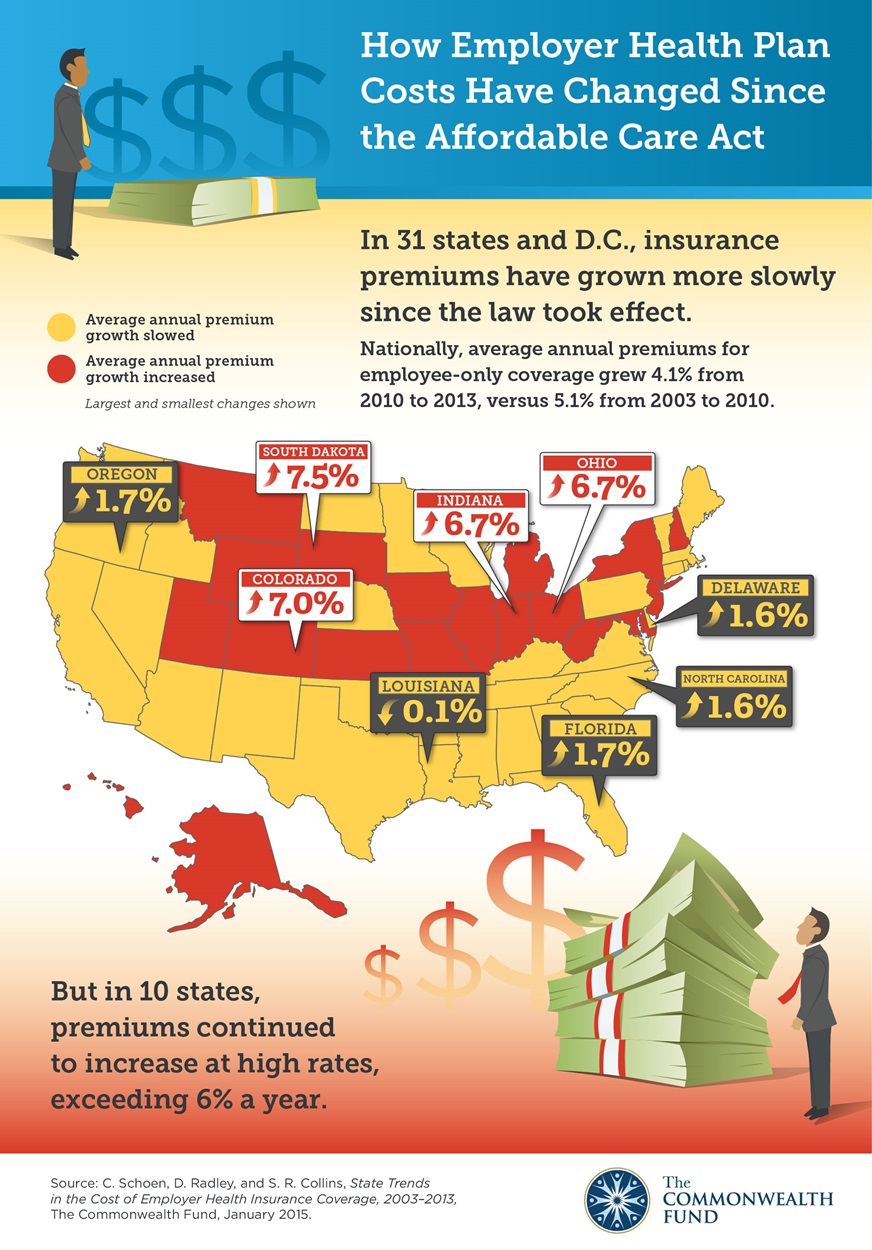
From 2010 to 2013—the years following the implementation of the Affordable Care Act—there has been a marked slowdown in premium growth in 31 states and the District of Columbia. Yet, the costs employees and their families pay out-of-pocket for deductibles and their share of premiums continued to rise, consuming a greater share of incomes across the country. In all but a handful of states, average deductibles more than doubled over the past decade for employees working in large and small firms. Workers are paying more but getting less protective benefits. Costs are particularly high, compared with median income, in Southern and South Central states, where incomes are below the national average. Based on recent forecasts that predict an uptick in private insurance growth rates starting in 2015, securing slow cost growth for workers, families, and employers will likely require action to address rising costs of medical care services. Read the brief or visit the interactive map.
 healthcarereimagined