The Indian Health Service (IHS) is a federally mandated health system providing care to approximately 2.6 million American Indian and Alaska Native people across 574 federally recognized Tribes. Many IHS facilities are in rural or remote areas, often providing the only available healthcare. Unlike other American health systems, IHS is not a benefit or entitlement – it is the product of treaties between the United States and sovereign Tribal Nations.
In FY2023, IHS spent approximately $4,078 per person on care, compared to a national average expenditure of $14,570 per person. Despite challenges, including aging facilities and staffing shortages, IHS delivers remarkable care. Staffed by dedicated Native and allied physicians, nurses, public health workers, and technicians, these facilities are models of resilience. They frequently incorporate traditional healers and language keepers into care delivery, finding innovative ways to meet complex health needs.
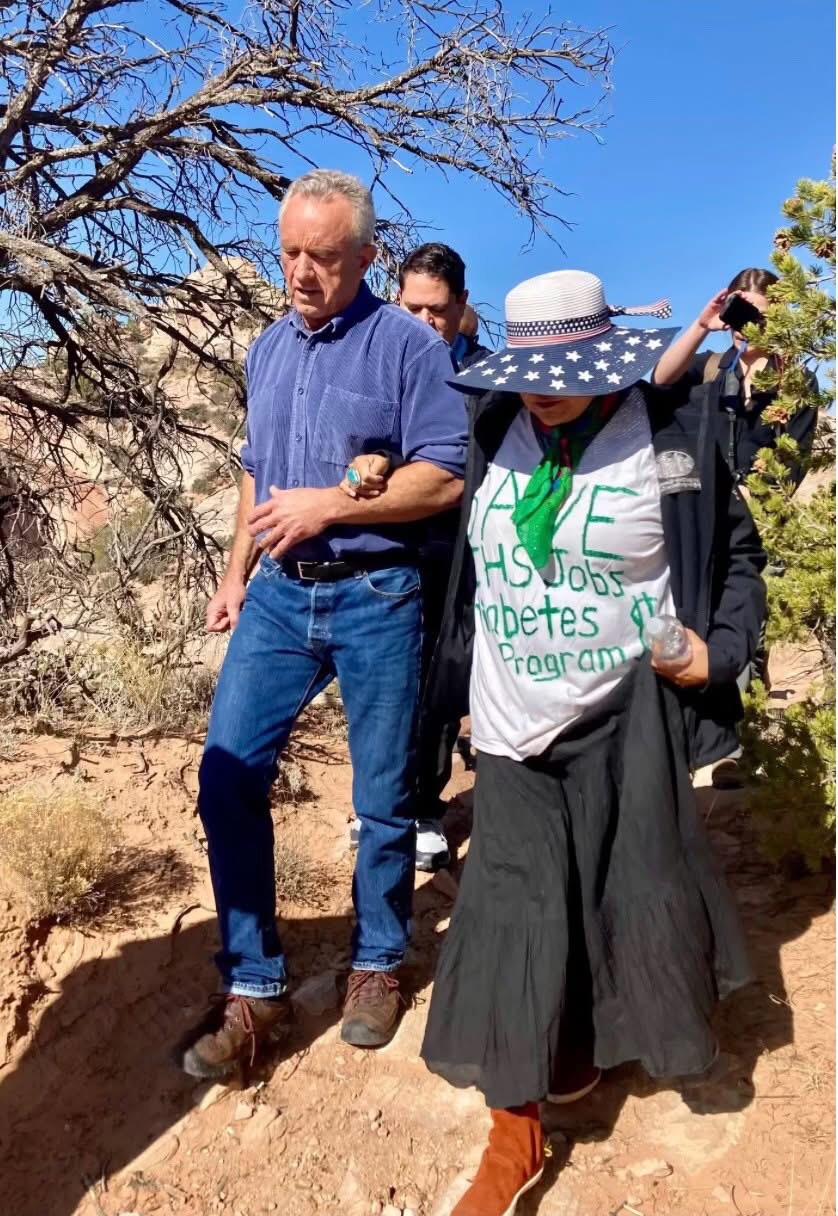
Federal decisions, like those discussed by Health Secretary Robert F. Kennedy Jr. during his “Make America Healthy Again” tour, directly impact the resources and policies that shape the IHS and its ability to serve Tribal communities effectively. Additional resources at IHS, combined with the cultivation and empowerment of Indigenous healthcare professionals and Tribal leadership, could be transformative. We hope that the pleas from our tribal members resonated with Secretary Kennedy and leads to meaningful support for IHS.
Read the New York Times article https://bit.ly/RFKonNavajo.
NativesDoingTheirPart #NativeAmericanHealth #IndigenousHealth #NativeAmerican #AmericanIndian #AlaskanNative #HealthyTribes #IndigenousPeople #NativeHealth #TribalHealth
Secretary Kennedy The New York Times CDC Indian Country Today Indian Health Service Johns Hopkins Bloomberg School of Public Health National Indian Health Board National Native News Native News Online Urban Indigenous Collective Urban Indian Health Institute Johns Hopkins Department of International Health
 healthcarereimagined